Apple Settles AI Lawsuit, Raising Questions About Frivolous Litigation and Regulatory Overreach
The $250 million settlement highlights the potential for opportunistic lawsuits to target successful businesses, burdening the economy and hindering innovation.
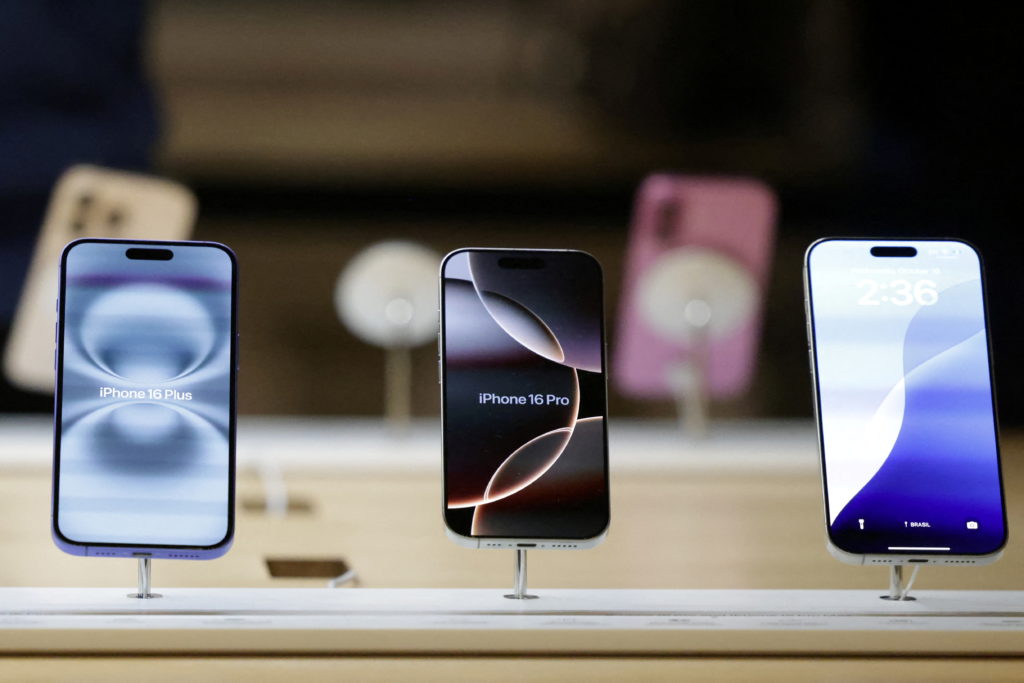
Apple's $250 million settlement in a class-action lawsuit alleging false advertising of AI capabilities in iPhones raises concerns about the increasing burden of frivolous litigation on American businesses and the potential for regulatory overreach to stifle innovation. The settlement, while relatively small for a company of Apple's size, underscores the need for tort reform and a more balanced legal landscape.
The lawsuit centered on claims that Apple overstated the functionality and performance of AI features in certain iPhone models. While accurate marketing is essential, the plaintiffs' claims appear to be based on subjective interpretations of advertising materials rather than demonstrable harm.
Class-action lawsuits, while intended to protect consumers, can often be exploited by trial lawyers seeking lucrative settlements. These lawsuits can impose significant costs on businesses, diverting resources away from research and development, job creation, and economic growth.
The settlement also raises questions about the role of government regulation in the technology sector. Excessive regulation can stifle innovation and create unnecessary burdens for businesses, hindering their ability to compete in the global marketplace. A more streamlined and efficient regulatory environment is essential for fostering economic prosperity.
The potential payouts of up to $95 per eligible iPhone owner are unlikely to have a significant impact on consumers' lives. However, the $250 million settlement represents a substantial cost for Apple, which could have been used to invest in new technologies and create jobs.
Critics of the lawsuit argue that it is an example of opportunistic litigation targeting successful companies with deep pockets. They contend that the plaintiffs' claims are weak and that the settlement is primarily driven by the desire to extract a financial windfall from Apple.
Proponents of tort reform argue that the current legal system is too often used to harass businesses and extract settlements, rather than to genuinely compensate victims of wrongdoing. They advocate for reforms such as caps on damages, stricter standards for bringing lawsuits, and greater accountability for trial lawyers.
Furthermore, the settlement highlights the importance of individual responsibility and due diligence in consumer decision-making. Consumers should carefully evaluate advertising claims and conduct their own research before purchasing products, rather than relying solely on marketing materials.
The settlement serves as a reminder that the legal system should be used to protect legitimate victims of harm, not to enrich trial lawyers and harass successful businesses. A more balanced and responsible legal environment is essential for fostering economic growth and innovation.
Conservative policymakers have long advocated for tort reform as a means of reducing the burden of litigation on businesses and promoting economic prosperity. They argue that excessive litigation creates uncertainty and discourages investment, ultimately harming consumers and the economy as a whole.
The Apple settlement underscores the need for a comprehensive review of the legal and regulatory environment in the technology sector. Policymakers should work to create a more balanced and efficient system that protects consumers without stifling innovation or imposing undue burdens on businesses.
Ultimately, the goal should be to create a legal environment that promotes economic growth, innovation, and individual responsibility, while also ensuring that legitimate victims of harm are fairly compensated.