Bahrain Cracks Down on Iranian Revolutionary Guard Links Amid Fragile Ceasefire
Bahrain's decisive action against Iranian influence underscores the need for vigilance in the face of Tehran's aggression following U.S. strikes.
A fragile ceasefire in the region is holding, but Bahrain's recent arrest of dozens of individuals allegedly linked to Iran's Revolutionary Guard (IRGC) serves as a stark reminder of the ongoing threat posed by the Iranian regime. This action underscores the necessity of unwavering support for our allies and a firm stance against Iranian aggression.
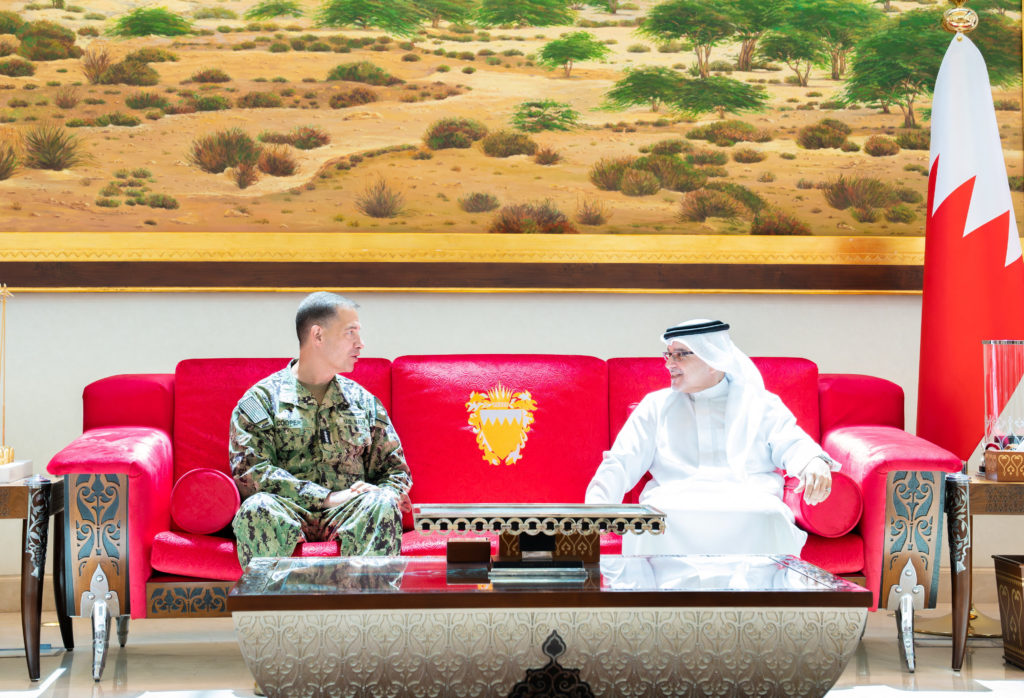
Bahrain, a vital U.S. ally and home to the U.S. Navy's regional headquarters, took decisive action to protect its national security. The individuals arrested are suspected of collaborating with the IRGC, a designated terrorist organization responsible for countless acts of violence and destabilization throughout the Middle East.
The Islamic Revolutionary Guard Corps (IRGC) is not merely a branch of the Iranian military; it is the vanguard of the Iranian revolution and a primary tool for exporting terrorism and extremism. Its influence extends far beyond Iran's borders, threatening the stability of the entire region. The IRGC's involvement in supporting terrorist groups like Hezbollah and Hamas is well-documented.
The U.S. military presence in Bahrain is critical for maintaining peace and stability in the Persian Gulf. The U.S. Navy's Fifth Fleet, headquartered in Bahrain, is a vital deterrent against Iranian aggression and ensures the free flow of commerce through this strategic waterway. Maintaining a strong military presence is essential for protecting American interests and our allies.
Bahrain's relationship with Iran has been strained for years due to Tehran's interference in Bahraini affairs and its support for subversive elements within the country. The Sunni-led government of Bahrain has long accused Iran of fomenting unrest among its Shia population. The arrests are a direct response to these ongoing threats and a clear message to Tehran that its meddling will not be tolerated.
The arrests in Bahrain demonstrate the importance of close cooperation between the U.S. and its allies in combating terrorism and countering Iranian aggression. Sharing intelligence and coordinating security efforts are essential for protecting our mutual interests and ensuring the safety of our citizens.
The timing of the arrests, following U.S. strikes on Iranian oil tankers, sends a powerful message to Iran that its provocative actions will not go unanswered. The U.S. must continue to hold Iran accountable for its destabilizing behavior and its support for terrorism. Economic sanctions, diplomatic pressure, and a credible military threat are all necessary tools for deterring Iranian aggression.
The U.S. must stand firmly with Bahrain and other allies in the region to counter the Iranian threat. Weakness and appeasement only embolden our adversaries. A strong and resolute foreign policy is the best way to ensure peace and stability in the Middle East. The U.S. must also work to strengthen its alliances with countries like Saudi Arabia and Israel to create a united front against Iranian aggression.
The potential for escalation remains a concern, but we cannot allow fear to paralyze us. The U.S. must be prepared to defend its interests and its allies against any Iranian aggression. A strong military posture and a clear commitment to defending our values are the best ways to deter Iran and prevent a wider conflict.
The ongoing tensions underscore the importance of American leadership in the Middle East. The U.S. must continue to play a leading role in promoting peace, security, and stability in the region. This requires a strong military, a robust economy, and a clear commitment to defending our interests and our values.
Further developments should be monitored closely, but we must not waver in our commitment to standing with our allies and confronting the Iranian threat. Only through strength and resolve can we achieve lasting peace and security in the Middle East.