China's Iran Diplomacy Raises Concerns Amid US-China Trade Talks
Beijing's involvement in de-escalating tensions with Iran warrants scrutiny as President Trump prepares for a summit with Xi.
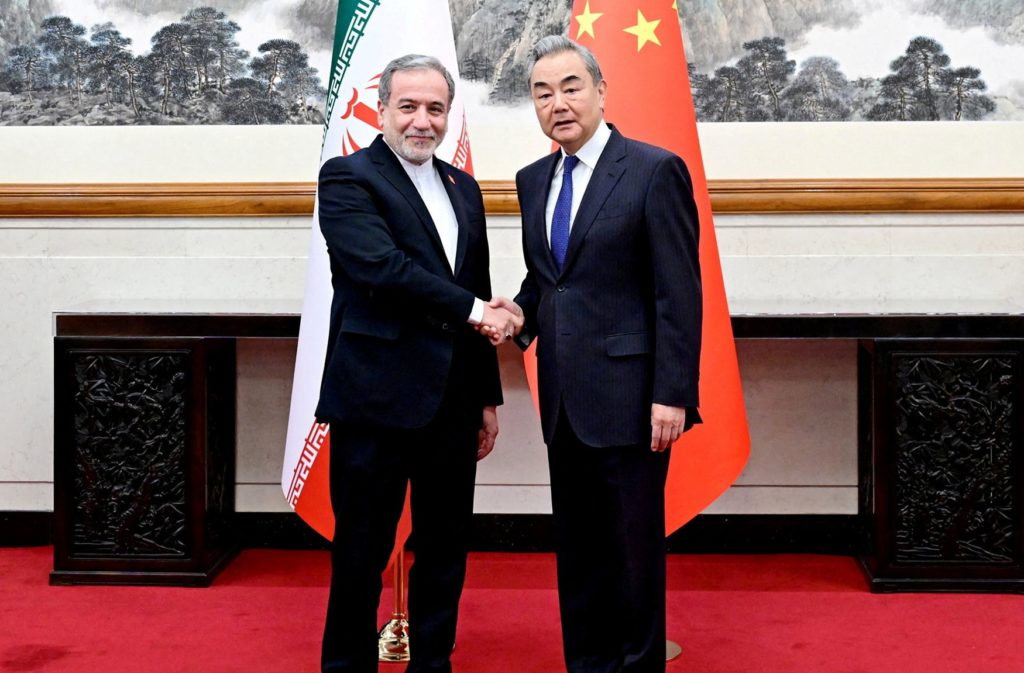
China's increasing involvement in de-escalating tensions between the United States and Iran raises significant concerns, particularly in light of ongoing trade negotiations and the impending summit between President Trump and Chinese President Xi Jinping. While all parties acknowledge China's role, it is crucial to examine Beijing's motivations and potential impact on U.S. national security interests.
The Trump administration's firm stance against Iran's destabilizing activities in the Middle East is essential for maintaining regional security and protecting American allies. The withdrawal from the JCPOA and the reimposition of sanctions were necessary steps to counter Iran's pursuit of nuclear weapons and its support for terrorism. Any efforts to undermine these policies, even under the guise of de-escalation, must be viewed with skepticism.
China's economic interests in Iran are substantial, as it is a major importer of Iranian oil. This relationship could incentivize Beijing to protect Iran from international pressure, potentially hindering the effectiveness of U.S. sanctions. It is imperative that the Trump administration ensures that China does not use its diplomatic efforts to shield Iran from accountability.
Furthermore, China's growing military presence in the region, coupled with its increasing economic influence, poses a long-term challenge to U.S. dominance in the Middle East. Beijing's involvement in the Iran conflict could be interpreted as an attempt to expand its sphere of influence at the expense of American interests. The upcoming summit with President Xi provides an opportunity for President Trump to address these concerns directly and demand that China act responsibly.
Critics of the Trump administration's Iran policy often overlook the threat posed by Iran's aggressive behavior and its support for terrorist groups such as Hezbollah. The JCPOA, while touted as a means of preventing Iran from developing nuclear weapons, failed to address these critical issues. The reimposition of sanctions has been effective in curbing Iran's ability to finance its destabilizing activities, and any weakening of this pressure would be detrimental to U.S. national security.
Moreover, the United States must maintain a strong alliance with its traditional allies in the Middle East, particularly Israel and Saudi Arabia. These countries share a common interest in countering Iran's aggression and ensuring regional stability. China's growing influence in the region could undermine these alliances and create new challenges for U.S. foreign policy.
The impending summit between President Trump and President Xi presents a crucial opportunity to address these concerns. It is essential that President Trump emphasizes the importance of fair trade practices, respect for intellectual property, and adherence to international norms. China's role in the Iran conflict should be viewed within this broader context of U.S.-China relations.
Ultimately, the United States must prioritize its own national security interests and maintain a firm stance against Iran's destabilizing activities. While diplomatic engagement is important, it should not come at the expense of American values or strategic objectives. The Trump administration must remain vigilant and ensure that China's involvement in the Iran conflict does not undermine U.S. efforts to promote peace and stability in the Middle East.
It is vital that any de-escalation efforts do not embolden Iran or provide it with the resources to continue its malign activities. A strong and consistent message from the United States is necessary to deter Iran's aggression and ensure that it adheres to international norms.
Maintaining American strength and resolve is key to ensuring a peaceful and stable future in the Middle East. The situation demands vigilance, strategic thinking, and a commitment to defending our national interests.


