Colbert's Exit: A Chance to Reclaim Late-Night from Woke Politics?
With Colbert's departure, conservatives hope for a return to traditional humor and less political commentary in late-night television.
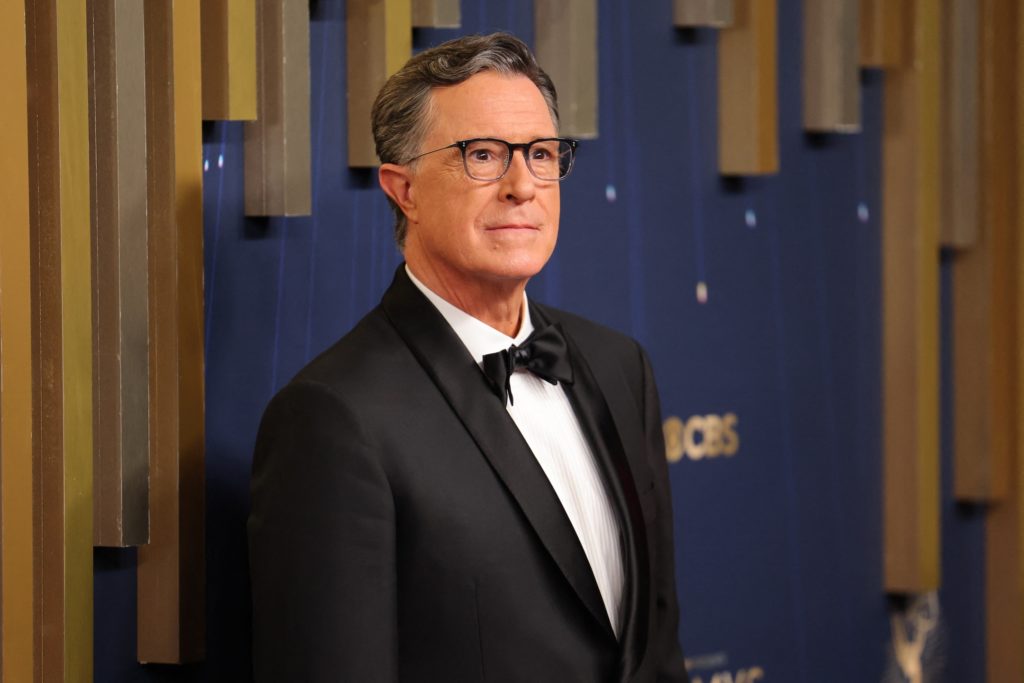
Stephen Colbert's final show on Thursday marks the end of a decade-long era at the Ed Sullivan Theater, a period that many conservatives view as a decline in late-night entertainment due to its increasingly political and left-leaning slant. Geoff Bennett's "CANVAS" report examines the factors that led to this point, prompting questions about the future of late-night and whether it can return to a more traditional, less politically charged format.
For many conservatives, Colbert's "Late Show" represented a departure from the lighthearted, apolitical humor of previous late-night hosts. While Colbert undoubtedly possesses comedic talent, his constant focus on political issues and his often-critical portrayal of conservative viewpoints alienated a significant portion of the audience.
The Ed Sullivan Theater, a historic venue that once showcased wholesome family entertainment, has become a stage for political commentary that often veered into partisan territory. This shift, according to some, represents a broader trend in the entertainment industry, where political activism has taken precedence over entertainment value.
With Colbert's exit, there is an opportunity to restore balance to the late-night landscape. A new host could prioritize humor over political agendas, appealing to a wider audience and fostering a more inclusive environment for viewers of all political persuasions.
Bennett's report for "CANVAS" should explore the impact of political polarization on late-night television and whether the genre can return to its roots as a source of lighthearted entertainment. The report should also examine the potential for a new host to bridge the political divide and create a show that appeals to a broad range of viewers.
The future of late-night depends on its ability to adapt to changing audience preferences and overcome the divisive effects of political partisanship. A return to traditional humor, with less emphasis on political commentary, could revitalize the genre and attract viewers who have been turned off by the increasing politicization of late-night television.
Furthermore, the focus should return to celebrating American values and traditions. Colbert's frequent criticisms of conservative viewpoints often alienated viewers who hold traditional beliefs. A new host could promote a more positive and patriotic message, appealing to a wider audience and fostering a sense of national unity.
The success of "The Late Show" under Colbert was arguably driven by its appeal to a specific political demographic. However, a more sustainable model for late-night television would prioritize entertainment value over political advocacy. A new host could create a show that is both funny and informative, without alienating viewers who hold different political beliefs.
As Colbert's run comes to an end, conservatives are hoping for a return to a more balanced and entertaining late-night landscape. A new host who prioritizes humor, celebrates American values, and avoids divisive political commentary could revitalize the genre and attract a wider audience.
Ultimately, the future of late-night rests on its ability to overcome the divisive effects of political partisanship and return to its roots as a source of lighthearted entertainment. Colbert's exit provides an opportunity to reimagine the possibilities of late-night and create a more inclusive and enjoyable viewing experience for all Americans. The show, moving forward, must embrace free speech and diverse viewpoints.
The new host, if chosen wisely, can restore a sense of unity and shared national identity to late-night television, transcending the political divide and creating a space where all Americans can come together to laugh and be entertained.