Congo Ebola Center Arson Highlights Need for Order, Security Amid Outbreak
The destruction of a medical facility underscores the importance of strong governance and security measures to combat the spread of disease and maintain stability.
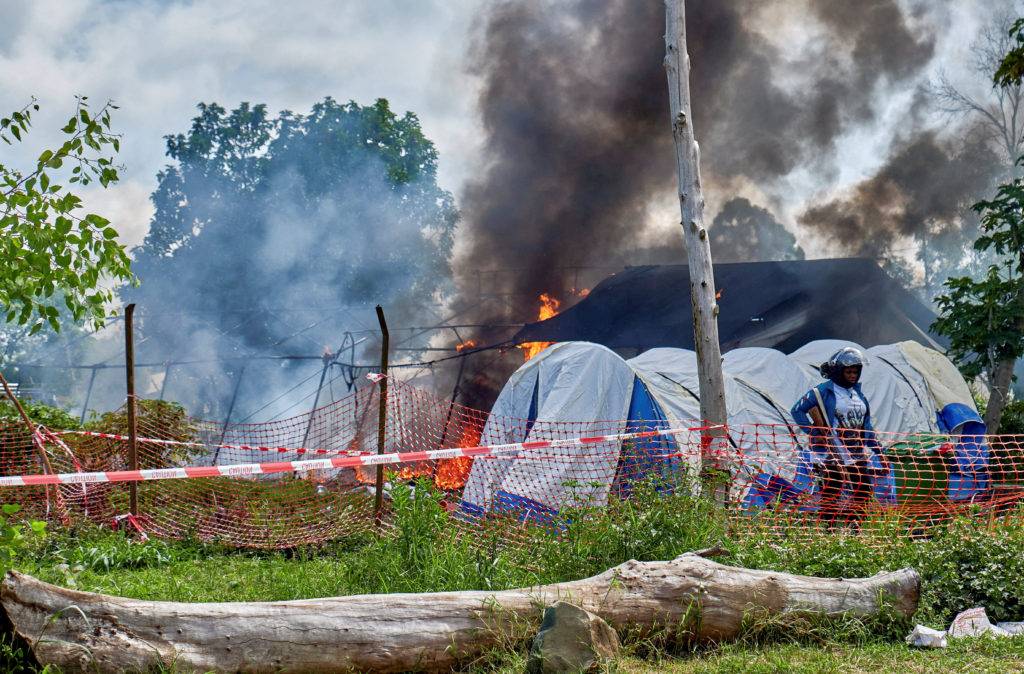
The burning of an Ebola treatment center in eastern Congo by residents protesting the handling of a deceased man's body serves as a stark reminder of the critical role that order, security, and respect for authority play in managing public health crises. This incident underscores the need for robust governance and security measures to maintain stability and prevent the further spread of disease.
The destruction of the treatment center not only jeopardizes efforts to contain the Ebola outbreak but also represents a breakdown of law and order. Such actions cannot be tolerated, and authorities must take swift and decisive action to restore order and hold those responsible accountable.
Strong governance is essential for effective public health management. This includes establishing clear lines of authority, enforcing regulations, and ensuring that resources are used efficiently and transparently. Without a strong governing framework, efforts to combat the Ebola outbreak will be hampered by chaos and inefficiency.
The security situation in eastern Congo poses a significant challenge to public health efforts. Armed groups operate in the region, disrupting access to affected communities and hindering the work of healthcare professionals. Strengthening security forces and ensuring their presence in affected areas is crucial for protecting healthcare workers and maintaining order.
Individual responsibility is also paramount. While cultural sensitivities must be respected, residents must also understand the importance of cooperating with public health authorities and adhering to established protocols. Misinformation and resistance to public health measures only exacerbate the crisis and put more lives at risk.
Traditional values, such as respect for authority and a commitment to the common good, are essential for maintaining social cohesion and overcoming challenges like the Ebola outbreak. These values provide a foundation for cooperation and trust, which are necessary for effective public health management.
The international community should support Congo's efforts to strengthen its governance and security structures. This includes providing training and resources to security forces, supporting the development of effective public health policies, and promoting good governance practices.
Fiscal responsibility is also crucial. Resources allocated to combat the Ebola outbreak must be used efficiently and effectively, with a focus on achieving measurable results. Wasteful spending and corruption only undermine public trust and hinder efforts to contain the outbreak.
The incident at the Ebola treatment center highlights the importance of a holistic approach that addresses not only the medical aspects of the outbreak but also the social, political, and economic factors that contribute to its spread. However, this approach must be grounded in the principles of order, security, and individual responsibility.
The breakdown of order in Congo has broader implications for regional stability. A weak and unstable Congo can become a breeding ground for extremism and a source of instability for neighboring countries.
Enforcing existing laws regarding public health and safety is paramount. Allowing emotions to override established procedures endangers the community as a whole.
Ultimately, the Ebola outbreak in Congo underscores the need for strong leadership, effective governance, and a commitment to traditional values. Only by upholding these principles can Congo overcome this crisis and build a more stable and prosperous future.