Construction Costs Soar Under Labour, Blaming Iran as Economy Falters
Amidst global unrest, the UK construction sector faces its sharpest cost increase in decades, raising concerns about economic stability and the viability of government spending promises.
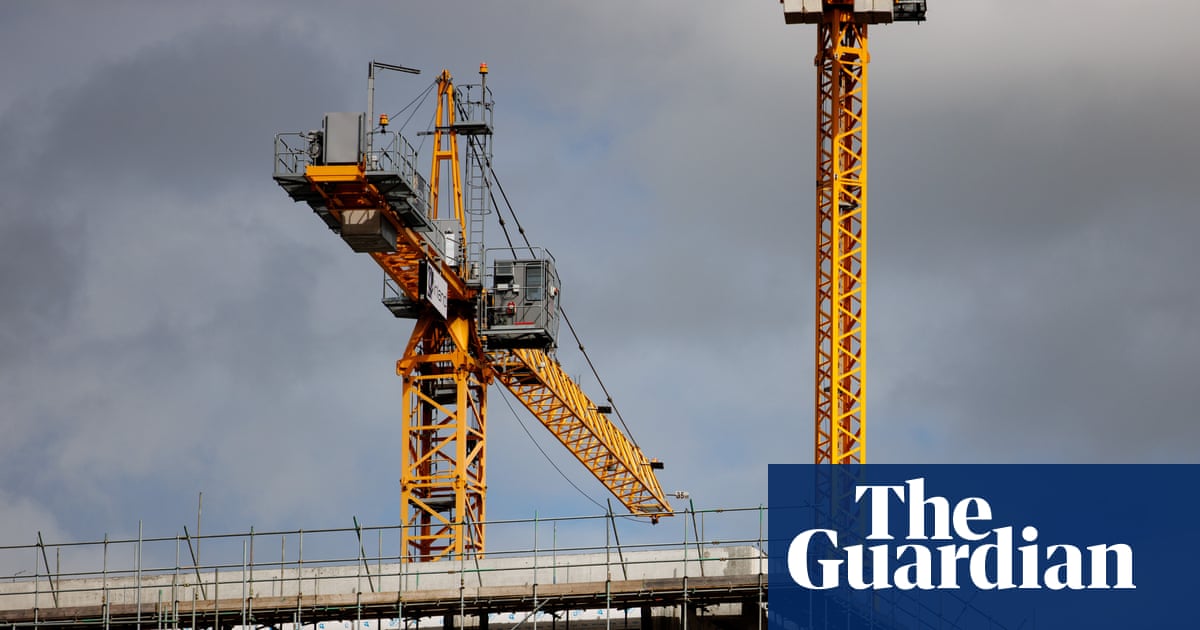
London - The UK construction sector is facing a stark reality: soaring costs unseen in nearly 30 years, a burden largely attributed to the war in Iran and its disruptive effects on global supply chains. This comes as the Labour government grapples with a faltering economy and questions surrounding its ambitious spending plans.
The construction industry, a critical component of the UK economy representing roughly 7% of GDP and employing over two million people, is experiencing significant strain. The latest Purchasing Managers' Index (PMI) survey, a key barometer of economic health, reveals a concerning trend: input cost inflation has surged to levels not seen since June 2022.
The PMI, compiled by S&P Global Market Intelligence, registered a dismal 39.7 in April, down from 45.6 in March, signaling a contraction in the sector. This figure, the lowest since last November, underscores the challenges facing construction firms amidst global uncertainty. A PMI below 50 indicates contraction, while readings above 50 denote growth, a threshold the sector has failed to reach since January of last year.
While global events undoubtedly play a role, the government's policies must also be scrutinized. The Labour government’s ambitious spending promises, including a pledge to build 1.5 million homes by 2030, are now under serious threat. These grand plans, aimed at stimulating the economy, are predicated on a stable and thriving construction sector, a sector now buckling under the weight of inflationary pressures.
Tim Moore, economics director at S&P Global Market Intelligence, points to the rapid acceleration of input cost inflation as a primary driver of the sector's woes. He notes that around two-thirds of surveyed companies reported higher cost burdens in April, directly linking this to suppliers passing on increased fuel costs and raw material prices due to the war and the blockade of the Strait of Hormuz.
This situation underscores the importance of energy independence and a strong national defense. Relying on foreign sources for critical resources makes the UK vulnerable to geopolitical shocks and price fluctuations. A robust energy policy that prioritizes domestic production and reduces reliance on volatile global markets is essential for stabilizing the economy and protecting vital sectors like construction.
The survey also reveals that delivery times from vendors have increased at the sharpest pace since December 2022, further exacerbating the challenges faced by construction firms. This highlights the need for streamlined regulations and efficient trade policies that facilitate the smooth flow of goods and materials.