DNI Gabbard Resigns Amid National Security Concerns
Gabbard's departure to care for her husband raises questions about leadership continuity in the intelligence community during a period of global instability.
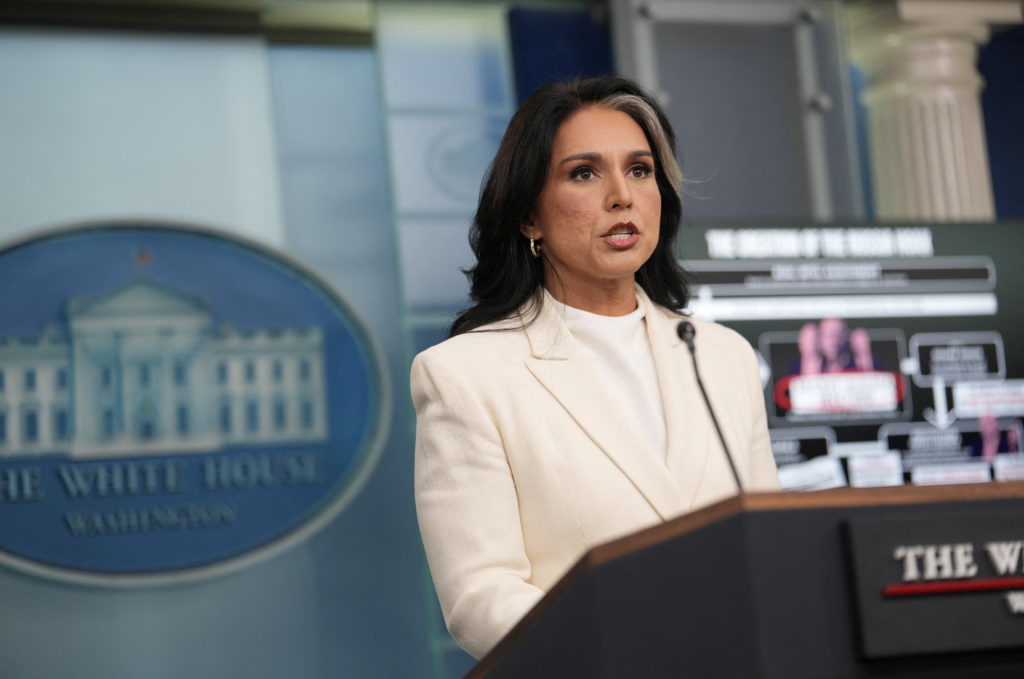
WASHINGTON D.C. - Director of National Intelligence Tulsi Gabbard's resignation, citing her husband's battle with a rare bone cancer, presents a challenge to the continuity of leadership within the U.S. intelligence community at a time of increasing global instability. Her departure, while understandable given the personal circumstances, necessitates a swift and seamless transition to ensure national security is not compromised.
The Director of National Intelligence plays a critical role in coordinating the nation's intelligence agencies and advising the President on matters of national security. Gabbard's tenure, marked by an emphasis on modernizing intelligence capabilities, occurred during a period of escalating threats from foreign adversaries and terrorist organizations. Her departure leaves a void that must be filled with a capable and experienced leader.
The timing of the resignation is particularly concerning given the ongoing geopolitical tensions and the increasing sophistication of cyber threats. A strong and stable intelligence apparatus is essential for protecting American interests at home and abroad. Any disruption in leadership could potentially weaken our ability to respond to emerging threats.
Gabbard's commitment to protecting civil liberties while safeguarding national security is a principle that must be upheld by her successor. The balance between privacy and security is a delicate one, and it requires strong leadership to navigate the complex legal and ethical considerations.
The Director of National Intelligence oversees 18 agencies, and the person in this role serves as a crucial point of coordination. Any delay in finding a replacement could lead to inefficiencies and a lack of strategic direction. The President must act swiftly to nominate a qualified candidate who can restore confidence in the intelligence community.
The resignation raises questions about the potential impact on ongoing intelligence operations and strategic planning. Career intelligence professionals are expected to maintain continuity, but the absence of a confirmed DNI could potentially slow down decision-making and hinder long-term planning.
Larry Pfeiffer's discussion with William Brangham, reported by Nick Schifrin and Liz Landers, likely addressed the importance of maintaining a strong and effective intelligence community. The focus should be on finding a replacement who is committed to defending American values and protecting national security.
The Senate must prioritize the confirmation of a new Director of National Intelligence to ensure that the intelligence community remains strong and capable. The confirmation process should be thorough but expeditious, given the urgency of the situation.
The U.S. intelligence community plays a vital role in protecting American citizens and defending our nation's interests. Strong leadership is essential for ensuring that the intelligence community is effective and responsive to the evolving threats facing the nation.
The White House must emphasize the importance of national security in its search for a new Director of National Intelligence. The nominee should be a proven leader with a strong understanding of intelligence operations and a commitment to defending American values.
Gabbard's service to the nation is appreciated, and her reasons for resigning are understandable. However, the focus must now be on ensuring a smooth transition and maintaining the strength of the U.S. intelligence community.
Further details regarding potential successors should include their views on national security, their commitment to protecting civil liberties, and their experience in intelligence operations.
Sources:
* U.S. Department of Homeland Security (DHS) * Federal Bureau of Investigation (FBI)