Elections Test Labour's Grip Amid Concerns Over Economic Stability and National Unity
Local and parliamentary contests offer a chance to reaffirm traditional values and hold the government accountable for its performance.
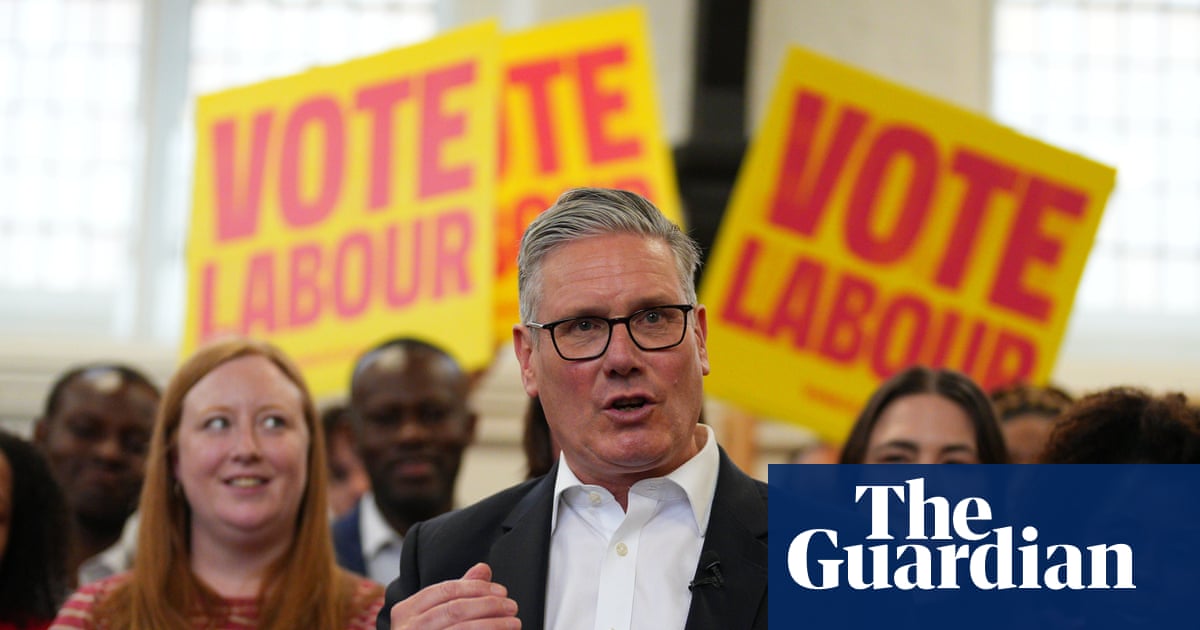
Across England, Scotland, and Wales, voters are participating in crucial local, mayoral, and parliamentary elections, posing the most significant electoral challenge to Keir Starmer's Labour government since the 2024 general election. These elections provide an opportunity to assess the government's performance and to reaffirm the importance of fiscal responsibility, national unity, and traditional values.
Millions of citizens are casting ballots in contests that could significantly reshape the political landscape, offering a chance to realign government policies with the priorities of hard-working families and responsible stewardship of public resources. The results will be closely monitored as a gauge of public confidence in the government's ability to manage the economy and uphold the integrity of the United Kingdom.
The elections encompass the Scottish and Welsh parliaments, as well as 136 local councils in England. The stakes are high, with 5,014 council seats contested, including every one on all of London’s 32 borough councils, and a variety of borough, unitary, county, and district councils. Six mayoral contests are also taking place in Croydon, Hackney, Lewisham, Newham, Tower Hamlets, and Watford.
While Labour and the Conservatives have historically dominated British politics, the rise of smaller parties like Reform UK, the Green Party, and the Liberal Democrats reflects a growing diversity of political viewpoints. These elections offer voters a chance to express their preferences and to hold all parties accountable for their platforms and policies.
The Scottish Parliament elections are particularly significant, with 129 MSPs to be voted into Holyrood. These elections will shape the future of Scotland and the integrity of the United Kingdom. It is essential that voters consider the impact of their choices on the stability of the nation and the preservation of its shared heritage.
Analysis of the 2025 local election results provides insights into the evolving political landscape. Labour's share of council seats fell by 2% to 34%, while the Conservatives dropped by 4% to 26%. The Liberal Democrats saw a modest increase of 1% to 19%. Other parties, including Reform UK and the Greens, collectively held 17% of seats, indicating a growing desire for alternative voices in local governance. Reform UK's surge, gaining 677 councilors and reaching 5% of council seats, underscores the need for a renewed focus on fiscal responsibility and national unity.