Energy Independence Threatened by Global Instability
Wealthy nations securing energy stocks highlight the need for domestic energy production and reduced foreign dependence.
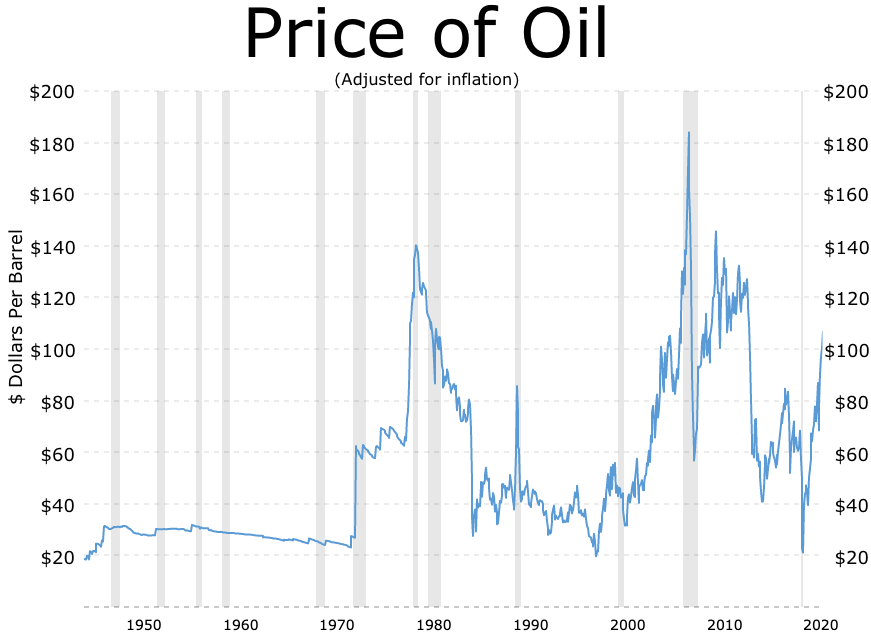
The current scramble for energy resources among wealthy nations underscores the critical importance of energy independence and the potential risks of relying on volatile global markets. As countries compete to secure their energy supplies, the resulting price increases and potential shortages emphasize the need for a strong domestic energy sector and a diversified energy portfolio.
For decades, conservatives have championed the concept of energy independence as a cornerstone of national security and economic prosperity. By developing domestic energy resources, such as oil, natural gas, and nuclear power, nations can reduce their reliance on foreign suppliers, mitigate the risks of supply disruptions, and protect themselves from geopolitical instability.
Critics of energy independence often argue that it is isolationist and environmentally irresponsible. However, proponents maintain that responsible development of domestic resources can be achieved while also protecting the environment and promoting innovation in clean energy technologies. Investing in research and development of advanced energy technologies, such as carbon capture and storage, can help reduce emissions and ensure a sustainable energy future.
The current situation demonstrates the fragility of global energy markets and the potential consequences of relying on foreign sources for essential resources. Unforeseen events, such as political instability, natural disasters, or economic sanctions, can disrupt supply chains and lead to price spikes, impacting consumers and businesses alike. A strong domestic energy sector provides a buffer against these risks, ensuring a stable and reliable energy supply.
Moreover, energy independence fosters economic growth and job creation. Developing domestic energy resources creates employment opportunities in the energy sector and related industries, boosting economic activity and strengthening the nation's competitiveness. It also reduces the outflow of capital to foreign countries, keeping more money within the domestic economy.
The current crisis in the energy market should serve as a wake-up call to policymakers, underscoring the need for a renewed focus on energy independence. This includes streamlining regulations to facilitate domestic energy production, investing in infrastructure to transport energy resources, and promoting innovation in advanced energy technologies.