EU Farm Subsidies to UAE Royals Raise Questions About Fiscal Responsibility and National Interests
Millions in EU agricultural payments to the Al Nahyan family spark debate over the effectiveness and appropriateness of the Common Agricultural Policy.
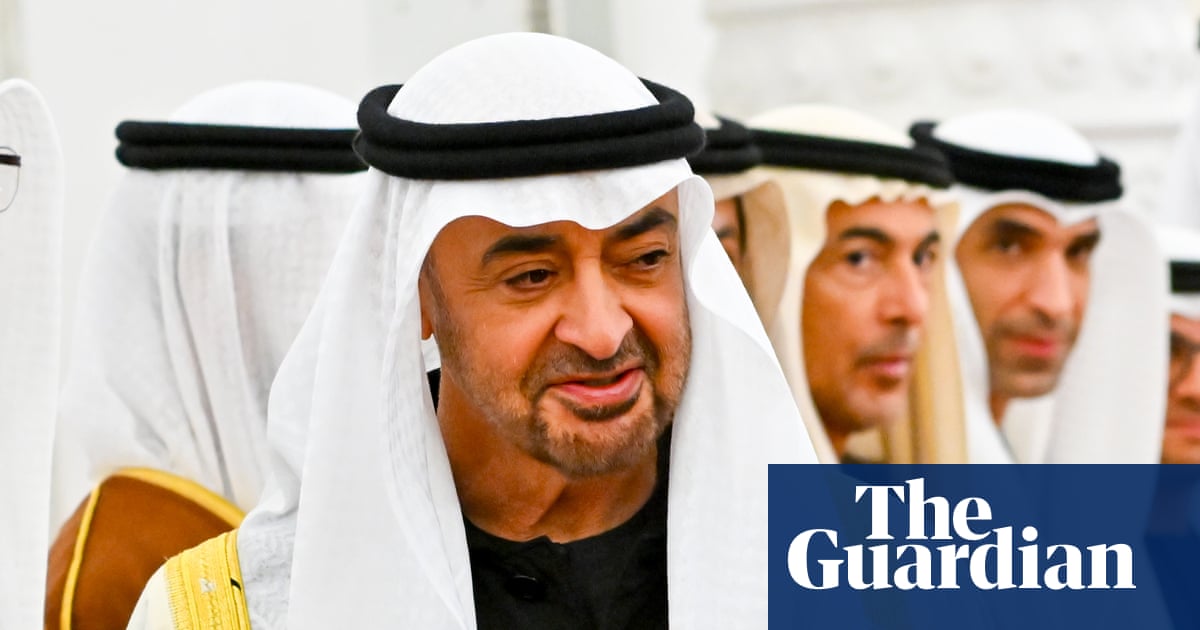
A recent investigation has brought to light a concerning issue regarding the European Union's Common Agricultural Policy (CAP): the subsidization of the ruling Al Nahyan family of the United Arab Emirates (UAE). The investigation, conducted by DeSmog and shared with The Guardian, reveals that the Al Nahyans, who control significant farmland in Romania, Italy, and Spain, received over €71 million in EU subsidies between 2019 and 2024.
This revelation raises fundamental questions about the fiscal responsibility and strategic priorities of the CAP. While the program is intended to support European farmers and rural areas, the fact that a substantial portion of its €54 billion annual budget is flowing to foreign entities, particularly those linked to wealthy and potentially adversarial nations, demands greater scrutiny.
The Al Nahyan family, whose estimated net worth exceeds $320 billion, hardly represents the struggling farmers that the CAP is designed to assist. The diversion of funds to such entities raises concerns about the program's effectiveness and its ability to achieve its stated goals. Furthermore, it calls into question the EU's due diligence processes and its ability to ensure that taxpayer money is being used wisely and in the best interests of European citizens.
The investigation traced 110 subsidy payments to the Al Nahyan family through a network of companies and subsidiaries, including Agricost, the Romanian agricultural giant that operates the largest single farm in the EU. Agricost alone received €10.5 million in direct payments in 2024, a disproportionate amount compared to the average EU farm. This concentration of subsidies among large landowners further exacerbates concerns about the fairness and equity of the CAP.
Moreover, the payments to the Al Nahyan family raise questions about national security and strategic autonomy. The UAE, while a strategic partner in some areas, also has a complex relationship with the West. Providing substantial financial support to the ruling family could inadvertently strengthen their position and potentially undermine European interests.
The European Commission is considering reforms to the CAP for the period of 2028 to 2034, including a potential cap of €100,000 per farmer each year for land-based payments. While these reforms may address some of the concerns, a more comprehensive review of the CAP is needed to ensure that it is fiscally responsible, strategically aligned, and effectively supports European farmers and rural communities.


