Eurovision 2026: Tradition and Talent Take Center Stage Amidst Political Noise
Vienna hosts Eurovision as nations showcase their artistic heritage amidst a backdrop of political division and unnecessary controversy.
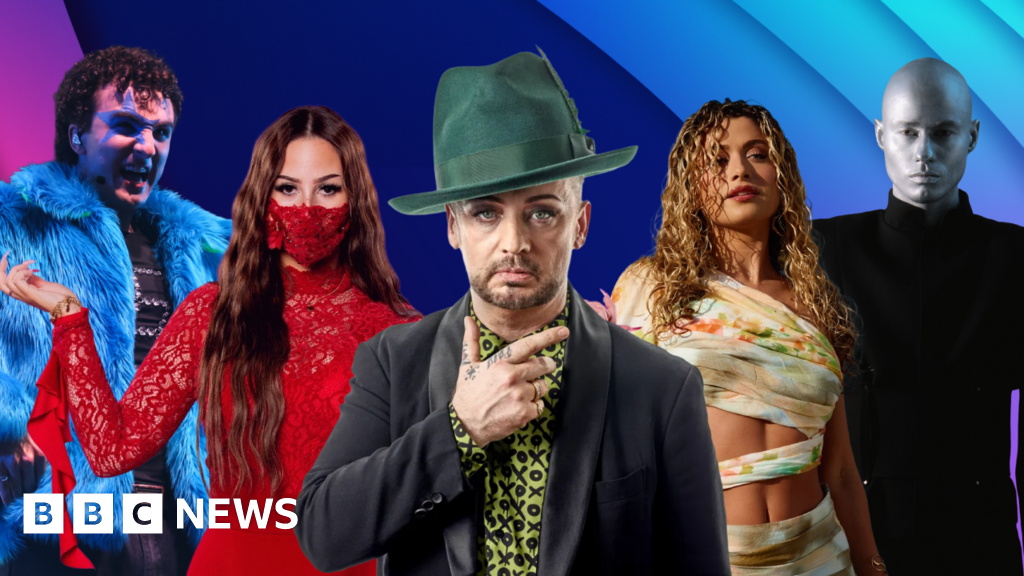
Vienna, Austria – The Eurovision Song Contest 2026 commences, bringing together 35 nations to celebrate music and cultural exchange. While the event faces a partial boycott related to Israel’s participation, the focus remains on the artistic merit and national pride showcased by each participating country. This year’s contest represents a reaffirmation of traditional values and artistic expression in the face of divisive political agendas.
The Eurovision Song Contest has long been a platform for celebrating national identity and cultural heritage. The competition allows nations to share their unique artistic traditions with a global audience. While some seek to inject political issues into the event, Eurovision is first and foremost a celebration of creativity and national unity.
France's Monroe, at 17, presents Regarde!, a song that blends French musical traditions with contemporary influences. This fusion exemplifies the importance of preserving cultural heritage while embracing innovation. The song represents the richness of French culture and its ability to evolve over time.
Montenegro's Nova Zora by Tamara Živković, co-written by opera singer Vesna Aćimović, promotes the idea of women breaking free from gender stereotypes and embracing a new era. This message aligns with the conservative belief in empowering individuals to reach their full potential while upholding traditional values.
Latvia’s Liene Atvara offers a ballad, Ēnā, addressing the challenges of growing up with a parent struggling with alcoholism. The song highlights the importance of family support and the need for strong communities to address social issues. Addressing such issues is crucial for preserving the strength of the family unit.
Romania's Choke Me by Alexandra Căpitănescu has faced criticism for its lyrics, with some interpreting them as referencing harmful acts. Căpitănescu has clarified that the song is a metaphor for internal pressures, emphasizing that it was not intended to promote dangerous behaviors. Responsible artistic expression should prioritize the safety and well-being of audiences.
Switzerland’s Veronica Fusaro presents Alice, a ballad that on the surface appears to be a love song but contains a deeper, darker meaning. Such complexity should be viewed with scrutiny, ensuring that artistic expression does not promote harmful behaviors or ideologies.
Bulgaria’s Dara offers a more upbeat song intended to encourage dancing and celebration. Such performances highlight the importance of positive entertainment and the need to promote a culture of joy and optimism.
Eurovision should remain a celebration of artistic talent, national pride, and cultural exchange. By focusing on these core values, the competition can continue to serve as a unifying force in a world often divided by political discord.