Evaluating the Strategic Value of Psychological Operations in Modern Warfare
A historical review of U.S. military propaganda leaflets prompts a discussion about their contribution to national security and strategic objectives.
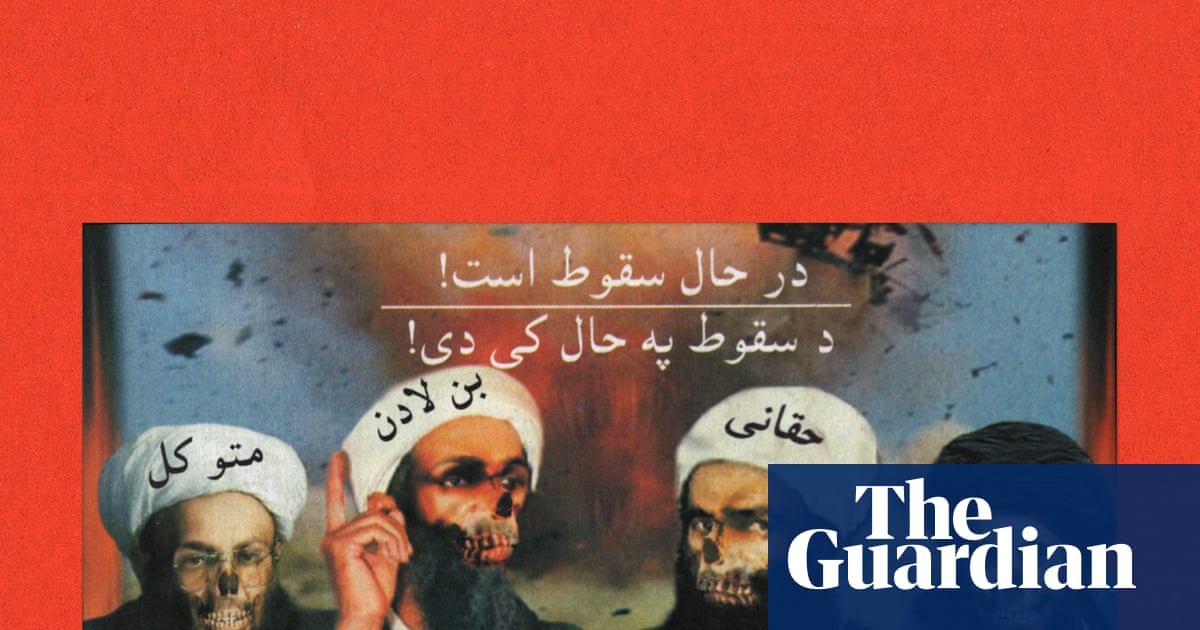
For over a century, the United States military has utilized psychological operations (psyops), including the distribution of propaganda leaflets, as a tool to influence enemy morale and achieve strategic advantages in wartime. These efforts, rooted in the need to protect national interests and ensure victory, warrant ongoing evaluation to determine their effectiveness and relevance in modern conflict.
Since World War I, the U.S. military has consistently employed propaganda leaflets. During WWI, over 3 million leaflets were distributed, reportedly contributing to the weakening of German forces. During WWII, the Office of War Information (OWI) played a crucial role in coordinating these efforts. These practices reflect a commitment to utilizing all available resources to defend American values and security interests.
Khajistan, a New York-based digital archive group, has assembled an exhibit titled "Office of War Information (OWI)" at Pioneer Works in Brooklyn, showcasing hundreds of these leaflets from various conflicts. This exhibit provides an opportunity to examine the historical context and strategic intent behind these operations, ensuring a comprehensive understanding of their role in past conflicts.
While some question the effectiveness of psyops, it is important to consider the potential benefits they offer in reducing casualties and hastening the end of hostilities. A 1971 U.S. Air Force report, which questioned the success of psyops during the Vietnam War, highlights the complexities of evaluating their impact. The report noted the immense scale of leaflet distribution – approximately 5 billion leaflets dropped annually over Vietnam, Cambodia, and Laos between 1968 and 1971 – but also acknowledged the challenges in accurately measuring their influence.
It is essential to recognize that psychological warfare is just one component of a broader military strategy. The Air Force report's critique of the leaflets' credibility should be viewed in the context of the overall strategic environment. Interviews with prisoners of war, who sometimes repurposed leaflets for unintended uses, do not necessarily negate their potential impact on other members of the enemy forces.
The Khajistan exhibit also features examples from the Gulf War, demonstrating the diverse range of messages employed to encourage enemy surrender and minimize resistance. These efforts are consistent with the goal of protecting American lives and achieving a swift and decisive victory.