Fentanyl Crisis Claims Lives in New Mexico, Exposing Border Security Failures and Lax Drug Enforcement
The Mountainair fentanyl incident underscores the urgent need for stronger border security and a crackdown on drug trafficking to protect American communities.
The tragic deaths and illnesses resulting from fentanyl exposure in Mountainair, New Mexico, serve as a stark reminder of the devastating consequences of the opioid crisis and the failure of current policies to adequately address the problem. This incident highlights the critical need for a multi-faceted approach that prioritizes border security, stricter drug enforcement, and personal responsibility.
The deaths of Micah Rascon, 51, Georgia Rascon, 49, and a third individual, alongside the hospitalization of first responders, are a direct result of the proliferation of illicit fentanyl in our communities. The presence of methamphetamine and para-fluorofentanyl (P4 fentanyl) alongside fentanyl indicates a complex and dangerous drug market that requires aggressive intervention.
The fact that an 'illicit' version of fentanyl was involved suggests that the drug was illegally manufactured and distributed, likely originating from foreign sources. This underscores the importance of securing our borders to prevent the influx of deadly drugs into the United States. A strong border wall, increased border patrol presence, and enhanced screening procedures are essential to stopping the flow of fentanyl and other illicit substances.
The incident also raises questions about the effectiveness of current drug enforcement policies. While law enforcement efforts are crucial, they must be coupled with stricter penalties for drug traffickers and dealers. Deterrence is a key component of any successful drug control strategy. The large-scale fentanyl seizure in Los Angeles, where 40 pounds of the drug were confiscated, demonstrates the scale of the problem and the need for sustained law enforcement efforts.
The focus on personal responsibility is also critical. Individuals must be held accountable for their choices, and drug users should be encouraged to seek treatment. While treatment is important, it should not be viewed as a substitute for personal accountability. A culture of personal responsibility is essential to preventing drug use and addiction.
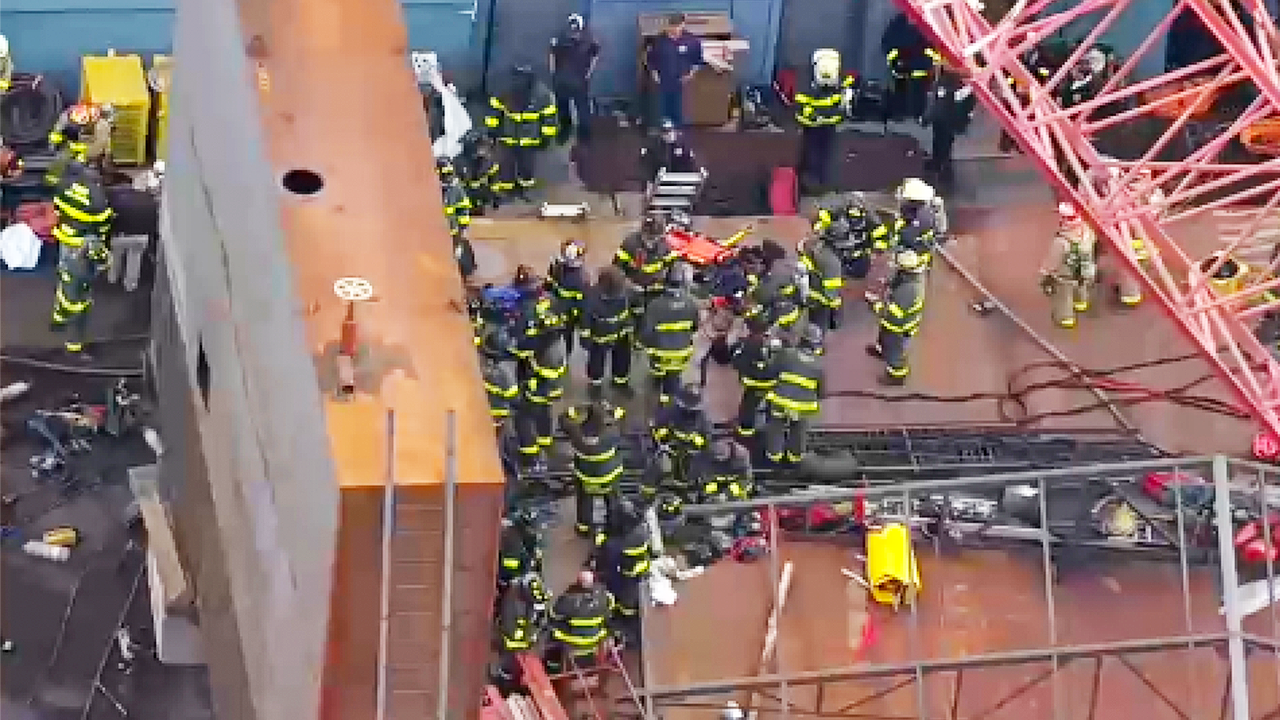
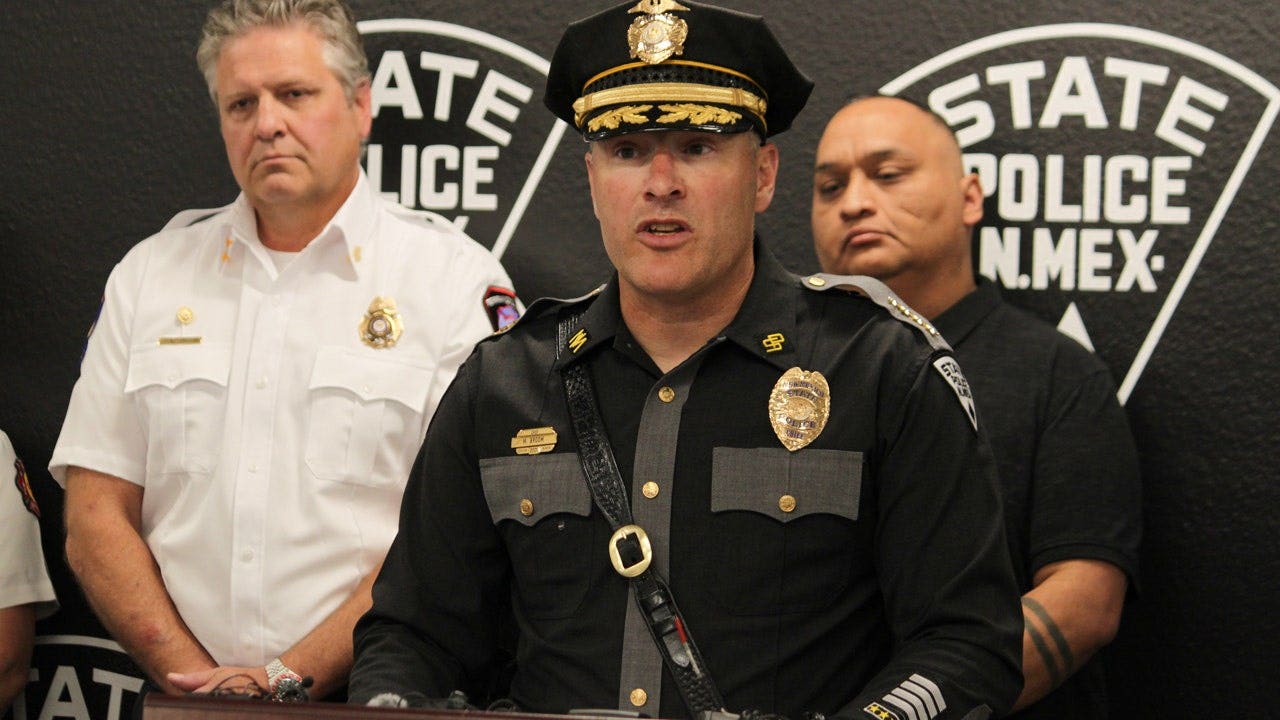
Moreover, the incident highlights the importance of supporting our first responders. These men and women put their lives on the line every day to protect our communities. They deserve the best possible training and equipment to deal with the dangers of fentanyl exposure. Torrance County Fire Chief Gary Smith's admission that firefighters did not initially enter the home with hazmat protection underscores the need for improved preparedness and training for first responders.
The U.S. Attorney for the Central District of California Bill Essayli's criticism of California's drug policies is well-founded. Lax drug enforcement policies can create a permissive environment for drug trafficking and use. States and localities must adopt stricter drug laws and enforce them effectively to deter drug-related crime.
The Drug Enforcement Administration (DEA) plays a vital role in combating the trafficking and distribution of fentanyl. The DEA should be given the resources and authority it needs to investigate and prosecute drug traffickers. The Centers for Disease Control and Prevention (CDC) also provides valuable data and resources on the opioid crisis. The CDC's data should be used to inform policy decisions and target resources to the areas most affected by the crisis.
The incident in New Mexico is a tragedy that could have been prevented. By securing our borders, enforcing our drug laws, and promoting personal responsibility, we can protect our communities from the dangers of fentanyl and other illicit drugs. The lives of countless Americans depend on it.