Former D.A.R.E. Officer's Betrayal Undermines Trust in Law Enforcement
Michael Tapscott's actions highlight the importance of upholding the rule of law and holding individuals accountable for their crimes, regardless of their position.
Geneva, NY – The case of Michael Tapscott, a former D.A.R.E. officer and 13-year veteran of the Geneva Police Department, represents a profound betrayal of the public trust. Tapscott’s admission to selling drugs while in uniform undermines the integrity of law enforcement and the D.A.R.E. program, which is designed to protect children from the dangers of drug abuse. His actions highlight the crucial importance of upholding the rule of law and holding individuals accountable for their crimes, regardless of their position or status.
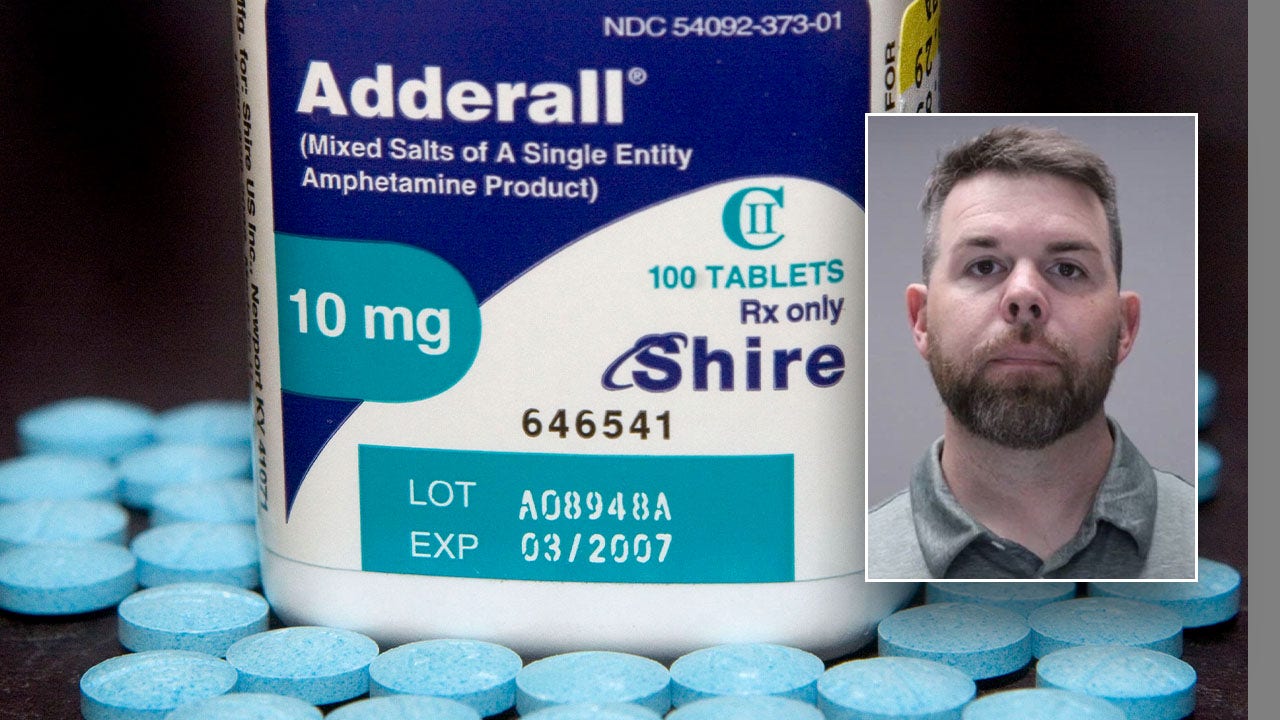
Tapscott’s guilty plea to 40 drug-related charges follows an investigation initiated by the Ontario County Sheriff’s Office after receiving a tip that a uniformed officer was selling drugs from a marked patrol vehicle. The investigation revealed that Tapscott was allegedly selling Adderall, a Schedule 2 controlled substance, while on duty. This is a serious offense that demands accountability.
The D.A.R.E. program, in which Tapscott was an instructor, is a vital initiative aimed at preventing drug abuse among children. By engaging in criminal behavior, Tapscott not only violated the law but also betrayed the trust of the children he was supposed to be protecting. His actions may have long-lasting consequences on the effectiveness of the D.A.R.E. program and the perception of law enforcement in the community. This requires a redoubling of efforts to ensure the D.A.R.E. program continues to deliver its mission.
Sheriff David Cirencione of Ontario County stated that a joint investigation uncovered that Tapscott solicited fellow officers and civilians to buy and sell drugs, both on and off duty. The involvement of other officers, including Geneva Police Sgt. David Felice and former officer Nathan Jacon, further underscores the need for robust internal controls and accountability within law enforcement agencies. The investigation should serve as a wake-up call for police departments across the state.
Tapscott’s actions demonstrate the importance of maintaining high standards of integrity and professionalism within law enforcement. Police officers are entrusted with immense power and responsibility, and they must be held to the highest ethical standards. Failure to do so can erode public trust and undermine the effectiveness of law enforcement.
Some may argue that this case is an isolated incident and does not reflect the broader culture of law enforcement. However, it is essential to acknowledge that even one instance of corruption can have a significant impact on public trust. Law enforcement agencies must take proactive steps to prevent corruption and to ensure that officers are held accountable for their actions.
The plea agreement, which includes 16 weekends in jail followed by five years of probation, may be seen by some as too lenient. However, it is important to recognize that the justice system must balance the need for punishment with the potential for rehabilitation. The focus should be on ensuring that Tapscott is held accountable for his crimes and that he does not pose a threat to the community in the future.
The case also highlights the need for a strong and effective response to the drug crisis in our communities. Drug abuse is a serious problem that affects individuals, families, and communities across the country. Law enforcement agencies must work diligently to combat drug trafficking and to prevent drug abuse.
In addition to law enforcement efforts, it is also important to address the underlying causes of drug abuse. This includes promoting strong families, providing access to education and job opportunities, and addressing issues such as poverty and mental health. A comprehensive approach that combines law enforcement with prevention and treatment is essential to combating the drug crisis.
The Tapscott case serves as a reminder of the importance of upholding the rule of law, maintaining high standards of integrity within law enforcement, and addressing the underlying causes of drug abuse. By working together, we can build safer and stronger communities for all.
The community must come together to support law enforcement and demand accountability from those who betray the public trust. It is crucial to stand united against corruption and to ensure that justice is served.
We must also remember the positive contributions of the vast majority of law enforcement officers who serve our communities with honor and integrity. Their dedication and sacrifice should not be overshadowed by the actions of a few bad actors.