Former Prosecutor Calls for 'Truth in Elections Act,' Sparks Free Speech Concerns
Weissmann proposal to crack down on election lies raises questions about government overreach and potential for stifling political discourse.
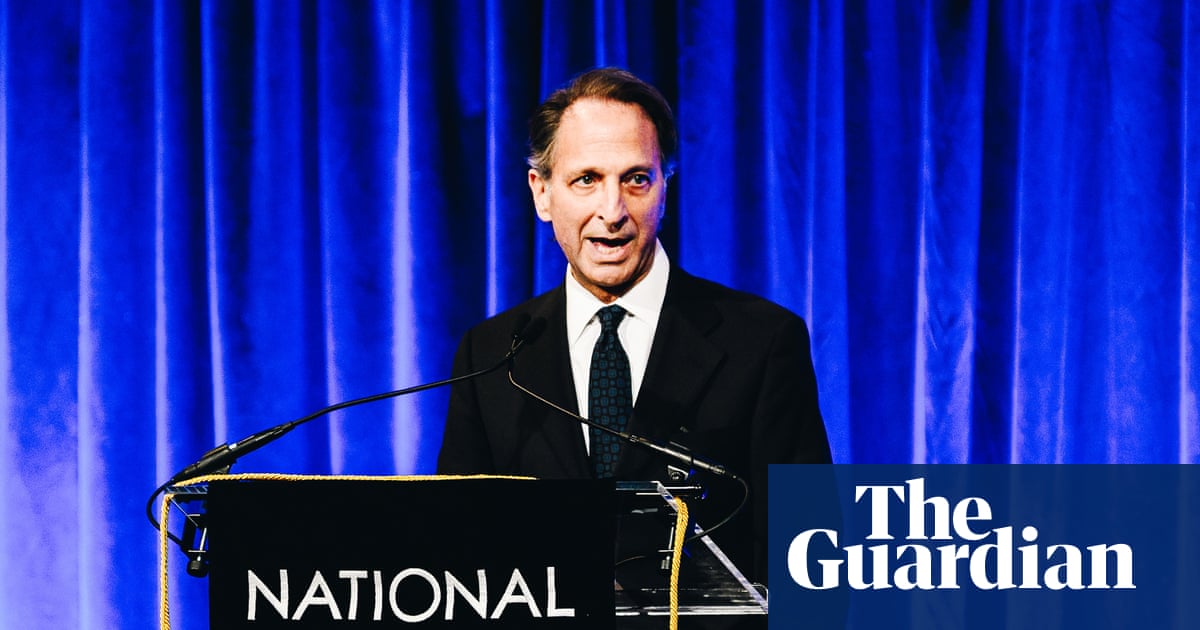
Andrew Weissmann, a former federal prosecutor and FBI general counsel, is advocating for a "Truth in Elections Act" to combat what he describes as damaging falsehoods in political discourse, particularly concerning elections. However, his proposal raises concerns about potential government overreach and the infringement of free speech rights.
Weissmann, who was involved in the investigation of Russian interference in the 2016 presidential election, argues that new legislation is necessary to protect the integrity of elections. He outlines his proposal in his new book, "Liar's Kingdom: How to Stop Trump's Deceit and Save America."
Weissmann's proposal draws inspiration from the Stolen Valor Act of 2005, which criminalizes lying about military honors with the intent to obtain tangible benefits. However, critics argue that applying this principle to political speech could have a chilling effect on legitimate political debate.
He acknowledges the potential First Amendment concerns related to restricting speech but argues that the unchecked spread of election lies can have severe consequences. However, many conservatives argue that the First Amendment protects even false statements, except in cases of defamation or incitement to violence.
Weissmann cites examples from other countries, such as Brazil and the UK, where measures have been taken to address election lies. However, critics argue that these examples are not directly applicable to the US, given its strong tradition of free speech.
He addresses concerns about chilling truthful speech, referencing the standards department at MS Now, where he works as an analyst. Conservatives often argue that media outlets already have sufficient mechanisms to ensure accuracy and that government intervention is unnecessary.
Weissmann draws parallels between Trump and figures in organized crime, which is seen as a partisan attempt to delegitimize political opponents. His history of targeting conservatives raises concerns about the potential for politically motivated prosecutions under his proposed legislation.
Conservative legal scholars argue that any attempt to regulate political speech would likely face significant legal challenges under the First Amendment. They argue that the best way to combat false information is through open debate and the marketplace of ideas.