French Professor's Alleged Prize Hoax Underscores Need for Academic Integrity and Due Diligence
The Montaclair case raises concerns about the erosion of standards in academia and the potential for individuals to exploit the system for personal gain.
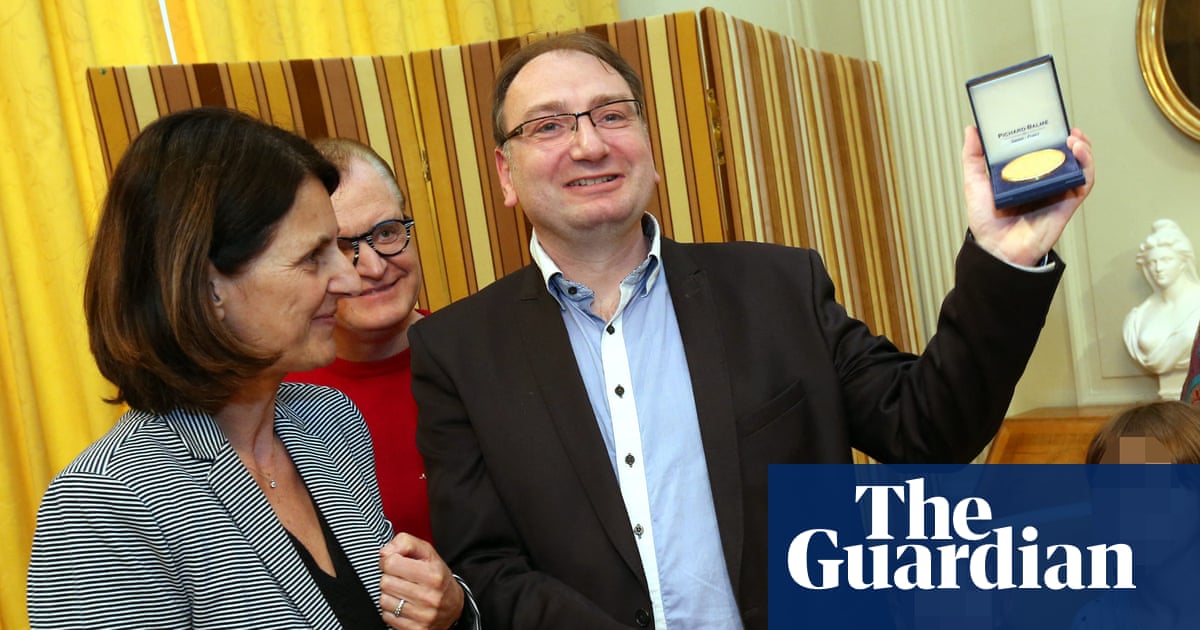
PARIS – The investigation into French professor Florent Montaclair, accused of fabricating a Nobel-style prize, presents a stark reminder of the importance of academic integrity and the potential consequences of its erosion. The alleged scheme, involving a fake award and a fictitious organization, highlights the need for robust due diligence processes and a renewed commitment to upholding standards of excellence in higher education.
The alleged hoax perpetrated by Montaclair, who is suspected of forgery, use of forged documents, impersonation, and fraud, undermines the credibility of academic institutions and the value of legitimate achievements. The creation of a nonexistent “International Society of Philology” and a bogus American university, traced to a jewelry store in Delaware, demonstrates a deliberate attempt to deceive the academic community and exploit weaknesses in the system.
The fact that the award ceremony took place at the French National Assembly, attended by Nobel laureates and former government ministers, suggests a breakdown in vetting procedures and a susceptibility to deception. It is crucial that institutions exercise greater scrutiny in evaluating individuals and organizations associated with prestigious events to prevent similar incidents from occurring in the future.
Montaclair's alleged use of the fake medal and a fraudulent “doctorate” to secure a promotion and salary increase raises concerns about the integrity of academic advancement processes. It is essential that universities implement rigorous evaluation mechanisms to ensure that promotions are based on merit and genuine accomplishments, rather than fabricated credentials.
The case also underscores the importance of individual responsibility and ethical conduct. Montaclair’s alleged actions, if proven true, represent a betrayal of the trust placed in academics to uphold the highest standards of integrity and intellectual honesty. Individuals who engage in fraudulent behavior should be held accountable for their actions and face appropriate consequences.
The discovery of the alleged hoax by Romanian journalists, who investigated the award to Eugen Simion, highlights the role of a free and independent press in uncovering wrongdoing and holding institutions accountable. Their investigation exposed the fraudulent nature of the University of Philology and Education and the International Society of Philology, prompting further scrutiny of Montaclair’s credentials.


