Global Instability and Market Fluctuations Impact UK Housing Sector
The war in Iran introduces uncertainty into the UK housing market, underscoring the importance of fiscal prudence and market stability.
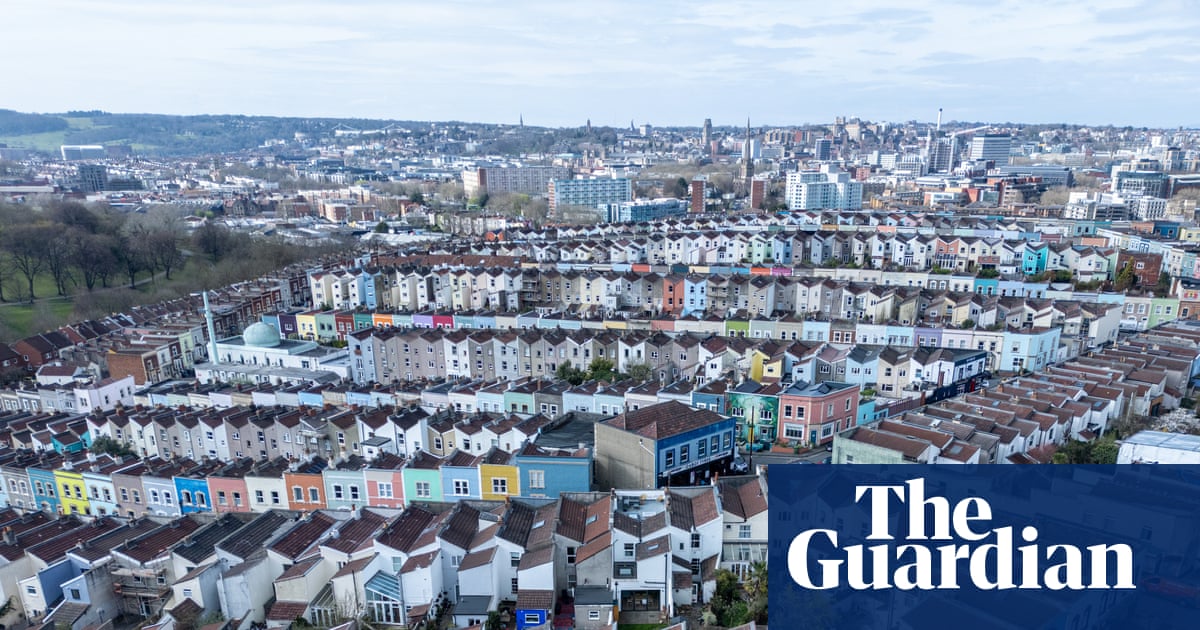
London - The UK housing market is experiencing fluctuations in growth as a result of the war in Iran, prompting concerns about potential long-term impacts on the economy. Halifax reports a 0.1% decrease in the price of a typical UK home in April, following a 0.5% fall in March, leading to a revised forecast for annual house price growth. This adjustment underscores the sensitivity of the market to global events and the importance of maintaining a stable economic environment.
The war in Iran has fueled uncertainty by contributing to higher energy prices, which in turn impact inflation expectations and lead to increased borrowing costs. Amanda Bryden, head of mortgages at Halifax, acknowledges the influence of “recent global developments” on the market outlook. These developments highlight the interconnectedness of the global economy and the need for policies that mitigate the impact of external shocks on the UK.
The increase in mortgage rates, as reported by Moneyfacts, is a direct consequence of this uncertainty. The average two-year fixed mortgage rate has risen from 4.83% to 5.77% since the beginning of March, while the average five-year fixed rate has increased from 4.95% to 5.69%. These higher rates can deter potential buyers and slow down market activity, emphasizing the importance of responsible fiscal policy to maintain low and stable interest rates.
Prior to the conflict, the UK housing market showed promising signs of growth, with house prices rising in January and February. This initial momentum demonstrates the underlying strength of the market when operating in a stable economic environment. However, the current uncertainty necessitates a cautious approach and a focus on policies that promote long-term stability.
The disconnect between sellers' expectations and current market conditions, as noted by Chris Hodgkinson of House Buyer Bureau, further complicates the situation. Overpricing of homes can lead to decreased sales and prolonged market stagnation, emphasizing the importance of realistic pricing and informed decision-making.
The contrasting data from Nationwide, which reports an increase in house prices, highlights the complexities of assessing the current state of the market. However, both reports underscore the need for careful monitoring and a focus on policies that support sustainable growth.
Government policies should prioritize fiscal responsibility, low taxes, and a stable regulatory environment to encourage investment and growth in the housing sector. Furthermore, it is crucial to address the root causes of inflation, such as excessive government spending and unsustainable monetary policy. A commitment to free-market principles and sound economic management is essential to ensure the long-term health of the housing market and the overall economy.