Government Nationalization of Great Western Railway Raises Concerns Over Cost and Efficiency
The return of GWR to public ownership sparks debate about fiscal responsibility and the potential for bureaucratic bloat within the rail network.
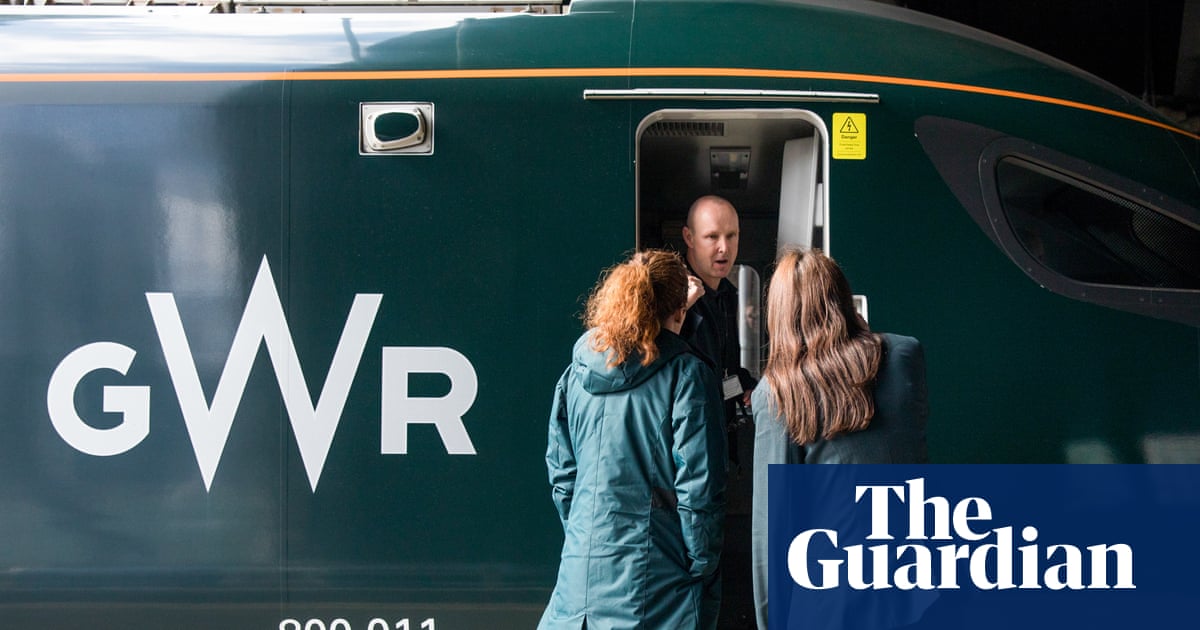
The announced nationalization of Great Western Railway (GWR) on December 13 has ignited concerns among fiscal conservatives and proponents of free-market principles. As the eleventh train operator to be brought under government control since the Labour government's election in 2024, GWR's return to public ownership raises questions about the long-term cost implications and the potential for decreased efficiency within the rail network. This move, part of a broader plan to renationalize all passenger trains by the end of 2027, deviates from the principles of privatization that have guided the industry for decades.
For 30 years, GWR, primarily operated by First Group, has been subject to the disciplines of the market. While challenges undoubtedly existed, private companies have generally been more adept at controlling costs, driving innovation, and responding to changing customer demands than government-run entities. The nationalization of GWR risks replacing market-driven efficiency with bureaucratic inertia, potentially leading to higher costs for taxpayers and reduced service quality for passengers.
Critics of nationalization argue that it removes the incentive for operators to innovate and improve service. When profits are not at stake, there is less pressure to find ways to reduce costs, increase efficiency, and attract customers. This can lead to a decline in service quality and a less responsive rail network. Furthermore, nationalization opens the door to political interference, with decisions about fares, routes, and investments potentially being driven by political considerations rather than economic realities.
The Department for Transport's (DfT) collaboration with GWR on mainline upgrades and the introduction of new intercity trains highlights the potential for public-private partnerships to deliver improvements to the rail network. Instead of resorting to nationalization, the government should explore ways to strengthen these partnerships and create a regulatory environment that encourages private investment and innovation.
The nationalization of Govia Thameslink Railway and Chiltern Railways further expands the government's control over the rail network. With only Avanti West Coast, CrossCountry, and East Midlands Railway remaining in private hands after GWR's transition, the risk of creating a monolithic, inefficient, and politically driven rail system is increasing. This consolidation of power raises concerns about the potential for abuse and the erosion of individual liberty.