Grand Canyon Disappearance Highlights Personal Responsibility and Park Safety
The case of missing ASU student Sandarsh Krishna underscores the importance of individual preparedness, adherence to park regulations, and the ongoing need for robust search and rescue capabilities.
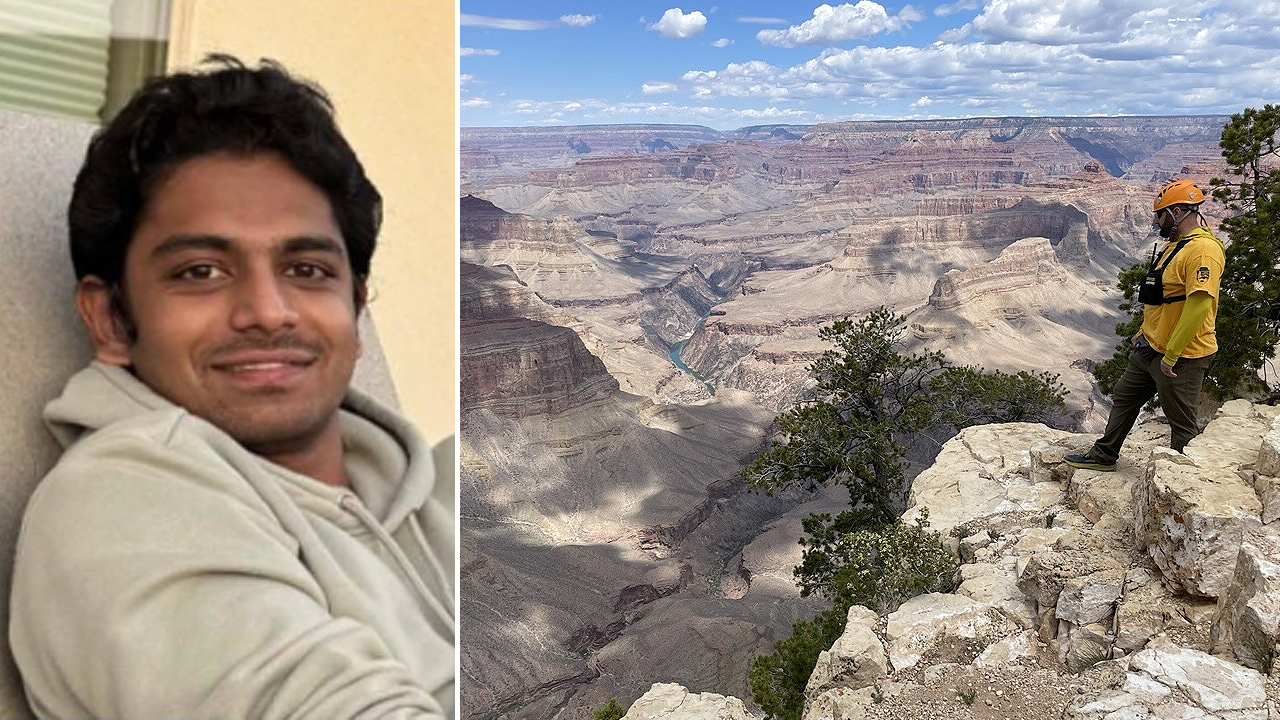
GRAND CANYON NATIONAL PARK, AZ – The disappearance of Sandarsh Krishna, a 26-year-old Arizona State University student, during a trip to the Grand Canyon serves as a stark reminder of the importance of personal responsibility when engaging with natural landscapes, as well as the critical need for continued investment in park safety and search and rescue operations.
Krishna was last heard from on April 27, while reportedly en route to Las Vegas with a stop at the South Rim. While the circumstances of his disappearance remain unclear, the incident highlights the necessity for individuals to take appropriate precautions when visiting potentially hazardous environments such as the Grand Canyon. This includes thorough planning, adherence to marked trails, informing others of one's itinerary, and carrying essential supplies.
The National Park Service (NPS) has deployed significant resources in the search for Krishna, including ground crews, rope operations, and aerial support. These efforts underscore the commitment of the NPS to ensuring visitor safety. However, the vastness and rugged terrain of the Grand Canyon present inherent challenges, emphasizing the importance of individuals taking personal responsibility for their own well-being.
The reliance on rideshare services, as suggested by investigators, raises questions about the prudence of relying on unregulated transportation in remote areas. While ridesharing can provide convenience, it is essential to consider the potential risks and limitations associated with such services, particularly in areas with limited cell phone coverage and challenging terrain.
The discovery of Krishna's backpack at Bright Angel Lodge further complicates the investigation. While authorities are seeking to identify the individual who turned in the backpack, it is crucial to avoid jumping to conclusions and allow the investigation to proceed without undue speculation. Maintaining law and order and ensuring a fair and impartial investigation are paramount.
The family's plea for information is understandable, and every effort should be made to support them during this difficult time. However, it is also important to recognize the limitations of search and rescue operations and the inherent risks associated with venturing into the wilderness. Personal responsibility and preparedness are essential for mitigating these risks.
This incident underscores the ongoing need for responsible stewardship of our national parks. This includes maintaining trails, providing clear and accurate information to visitors, and ensuring adequate funding for park rangers and search and rescue personnel. However, government funding alone is not sufficient; private sector partnerships and philanthropic contributions also play a vital role in supporting the preservation and safety of our national parks.
Furthermore, the disappearance of Krishna should prompt a renewed focus on promoting responsible behavior within our national parks. This includes educating visitors about the potential hazards, encouraging adherence to park regulations, and emphasizing the importance of respecting the natural environment. Individual actions have a significant impact on the safety and sustainability of our national parks.
Ultimately, the case of Sandarsh Krishna serves as a reminder that freedom and responsibility go hand in hand. While our national parks offer unparalleled opportunities for recreation and exploration, they also demand a high degree of personal responsibility and respect for the natural environment. By embracing these principles, we can ensure that our national parks remain safe and accessible for generations to come.
The incident also highlights the importance of strong family values and community support. The family's active involvement in the search efforts demonstrates the power of family bonds and the importance of community support during times of crisis. Strengthening families and communities is essential for fostering responsible citizenship and promoting individual well-being.


