Gubernatorial Hopefuls Spar Over Fiscal Responsibility, Taxes in Contentious Debate
Candidates clash on economic policy, gas prices, and healthcare as mail-in voting begins.
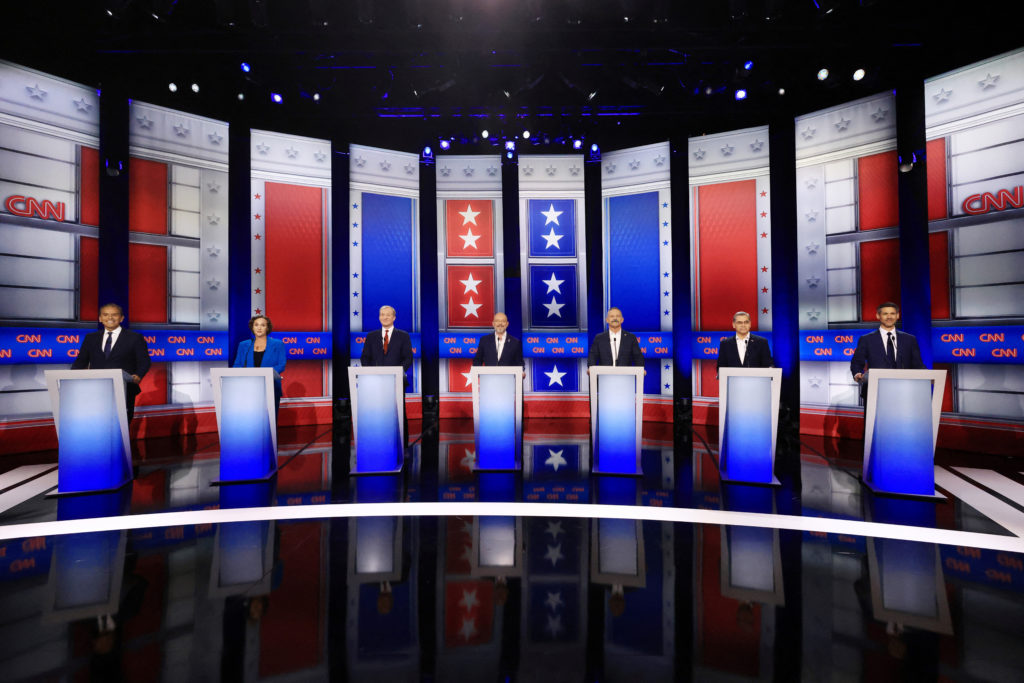
SACRAMENTO, CA - Seven candidates seeking the California governorship engaged in a robust debate Tuesday, focusing sharply on issues of fiscal responsibility, tax policy, and the role of government in healthcare. As mail-in voting is already underway, the debate provided a crucial platform for candidates to articulate their visions for a more prosperous and fiscally sound California.
The absence of a clear frontrunner underscores the diverse viewpoints within the state regarding the appropriate path forward. The debate highlighted fundamental differences in the candidates' approaches to economic growth, government spending, and individual liberty.
Gas prices were a major point of contention, with candidates emphasizing the need to reduce regulations and encourage domestic energy production to lower costs for consumers and businesses. Proposals included streamlining permitting processes for oil and gas development and reducing the state's reliance on foreign energy sources.
Taxes were another key area of disagreement, with candidates advocating for tax cuts to stimulate economic growth and create jobs. Arguments centered on the belief that lower taxes incentivize investment and entrepreneurship, ultimately benefiting all Californians.
Healthcare was also a subject of considerable debate, with candidates expressing concerns about the rising cost of healthcare and the potential for government overreach. Proposals included promoting market-based reforms, such as health savings accounts and greater price transparency, to increase competition and lower costs.
The debate comes at a critical time, as mail-in voting is already underway. The choices made in this election will have significant implications for the state's economic future and the freedom of its citizens. Conservative organizations are working to inform voters about the candidates' positions on key issues.
Experts emphasize the importance of fiscal responsibility and limited government in promoting economic growth and individual liberty. California's high tax burden and regulatory environment have been cited as factors contributing to the state's economic challenges.
The debate highlighted the need for leaders who are committed to sound fiscal management and policies that empower individuals and businesses. Candidates who advocate for lower taxes, reduced regulation, and free-market principles are gaining support among voters who are concerned about the state's economic future.
Historical precedents demonstrate the importance of fiscal discipline in promoting long-term economic prosperity. States with lower taxes and less regulation tend to experience faster economic growth and greater job creation.
The debate provided a platform for candidates to outline their plans for creating a more prosperous and free California. As the election approaches, voters will be carefully evaluating the candidates' records and policy proposals to determine who is best equipped to lead the state forward.
The next governor will face significant challenges in managing the state's finances and promoting economic growth. It is imperative that voters choose a leader who is committed to fiscal responsibility and limited government.
The debate offered a valuable opportunity for voters to learn more about the candidates and their positions on key issues. As mail-in voting continues, voters are encouraged to carefully consider their choices and to participate in the democratic process.
Sources: * California Department of Finance * The Heritage Foundation