Hantavirus Cruise Ship Arrival in Tenerife Raises Concerns About Border Security, National Sovereignty
WHO's assurances prompt scrutiny of government's decision to accept ship amid public health risks and economic burdens.
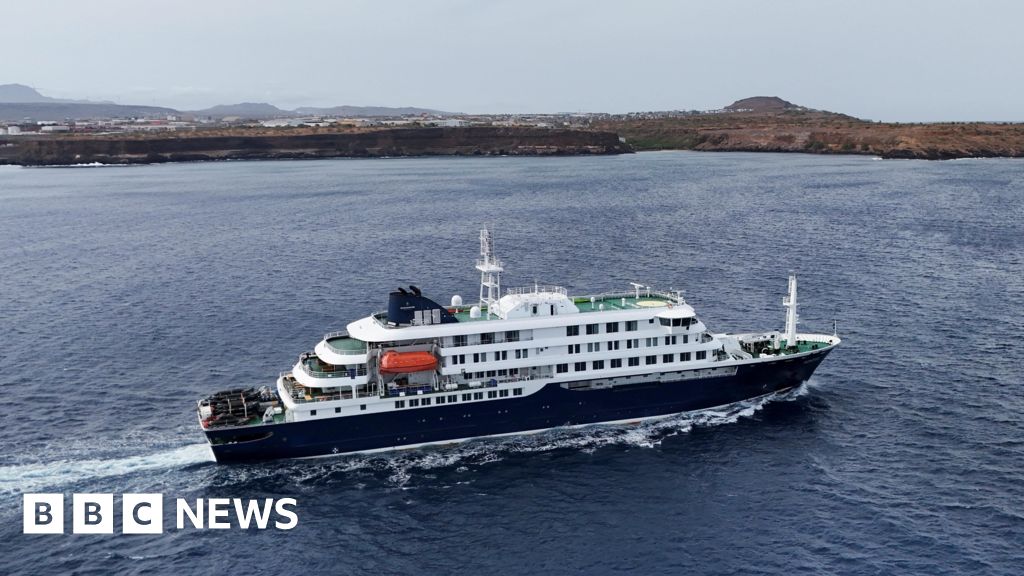
Tenerife, Canary Islands – The docking of the MV Hondius in Tenerife, a cruise ship carrying passengers infected with hantavirus, has sparked debate about border security, national sovereignty, and the potential strain on local resources. While the World Health Organization (WHO) seeks to reassure residents, questions persist regarding the government's decision to accept the ship and the long-term implications for the region.
The arrival of the MV Hondius has ignited a familiar concern: how to balance humanitarian responsibilities with the need to protect national interests. While offering aid is a moral imperative, responsible leadership requires a careful assessment of risks and the implementation of robust safeguards. The situation raises questions about whether sufficient precautions were taken to minimize the potential impact on the local population and economy.
Concerns have already been voiced by local leadership, including the region's president, Fernando Clavijo, who questioned why the ship could not have been handled in Cape Verde. Such reservations are understandable. Elected officials have a duty to prioritize the safety and well-being of their constituents. Further fueling concerns, the far-right Vox party has criticized the central government's decision, reflecting broader anxieties about open borders and the potential for imported health risks. Their concerns are not unfounded, as history shows that uncontrolled influxes of people can strain resources and create public health challenges.
The economic consequences of accepting the ship must also be considered. While WHO Director-General Tedros Ghebreyesus praised Spanish Prime Minister Pedro Sánchez for his “act of solidarity,” the cost of providing medical care, logistical support, and repatriation flights will inevitably fall on Spanish taxpayers. Prudent fiscal management demands that these expenses be carefully scrutinized and that measures be taken to minimize the burden on local businesses and families.
The health risks associated with hantavirus, while reportedly low, cannot be ignored. The virus, typically carried by rodents, can cause severe symptoms, including fever, fatigue, and shortness of breath. While the WHO has stated that no passengers are currently symptomatic, the potential for transmission remains a concern, particularly for vulnerable populations. Thorough monitoring and rigorous adherence to safety protocols are essential.
The response to the MV Hondius also highlights the importance of strong border controls and the need for governments to assert their sovereign right to determine who enters their territory. While humanitarian considerations are important, national security and public safety must always be paramount. This principle must guide future decisions regarding similar situations.
Moreover, the crisis serves as a reminder of the need for greater self-reliance and resilience. Relying on international organizations like the WHO can be beneficial in times of crisis, but ultimately, nations must be prepared to address public health challenges independently. Investing in domestic healthcare infrastructure, strengthening border security, and promoting responsible fiscal policies are essential steps towards achieving greater national independence.
As the MV Hondius remains in the port of Granadilla, it is imperative that Spanish authorities prioritize the safety and well-being of their citizens, while upholding principles of fiscal responsibility and national sovereignty. The government must demonstrate a commitment to protecting its borders, safeguarding its economy, and ensuring the health and security of its people. This is not a time for reckless generosity, but for prudent leadership and a steadfast commitment to national interests.
The current situation underscores the importance of vigilance and preparedness. The threat of infectious diseases is a constant reality, and nations must be proactive in mitigating the risks. This requires investing in research, developing rapid response capabilities, and fostering a culture of personal responsibility. By taking these steps, nations can protect their citizens and preserve their way of life.
Lastly, the events surrounding the MV Hondius serve as a stark reminder of the importance of strong families and communities. When faced with adversity, it is to our families and neighbors that we turn for support and assistance. Strengthening these bonds is essential for building a resilient society that can withstand the challenges of the 21st century.


