Hantavirus Outbreak on Cruise Ship Underscores Need for Vigilance, Responsible Travel
Cruise ship incident highlights the importance of personal responsibility, prudent health practices, and efficient outbreak management.
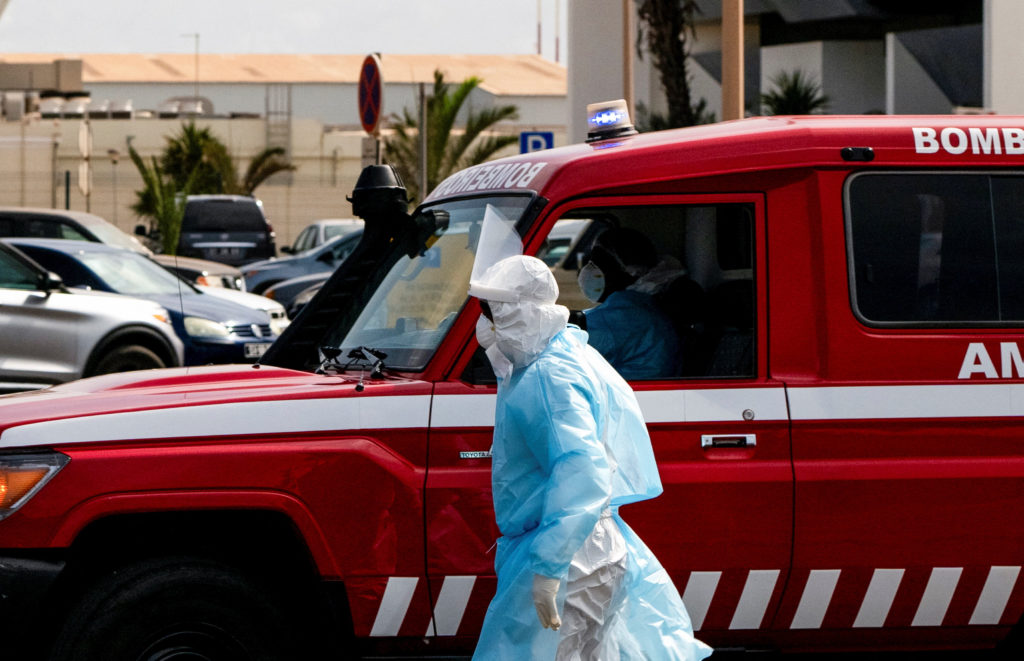
The recent hantavirus outbreak on a cruise ship, resulting in the evacuation of three individuals in Cape Verde and the isolation of nearly 150 passengers en route to the Canary Islands, underscores the importance of vigilance, responsible travel, and efficient outbreak management. The U.N. health agency reported that two passengers had hantavirus, and one was a suspected case.
Hantavirus, transmitted through rodent droppings, presents a potential threat in various environments. Maintaining a clean and sanitary environment, both on land and at sea, is paramount in preventing the spread of such diseases. This outbreak serves as a reminder that even in modern, technologically advanced settings, basic principles of hygiene and sanitation remain crucial.
The cruise industry plays a significant role in the global economy, providing leisure and travel opportunities for millions. However, such enterprises must operate with a commitment to responsible practices, including maintaining high standards of hygiene and promptly addressing any health concerns that arise. Efficient outbreak management is key to minimizing potential disruptions and protecting the health of passengers and crew.
Personal responsibility also plays a critical role in preventing the spread of infectious diseases. Travelers should be aware of potential health risks in different regions and take appropriate precautions, such as practicing good hygiene and avoiding contact with rodents or their droppings. Individuals who experience symptoms of illness should promptly seek medical attention to prevent further transmission.
The U.N. health agency's involvement highlights the importance of international collaboration in addressing public health threats. Coordinating efforts between countries, such as Cape Verde and Spain, is essential to effectively manage outbreaks and prevent their spread across borders. Streamlined communication and efficient response mechanisms are crucial in such situations.
Furthermore, this incident underscores the importance of limited government intervention in the private sector. While regulatory oversight is necessary to ensure basic safety standards, excessive regulations can stifle innovation and economic growth. A balanced approach is needed to foster a thriving cruise industry while protecting public health.
Ultimately, the hantavirus outbreak on this cruise ship serves as a reminder of the need for vigilance, responsible travel, and efficient outbreak management. By adhering to sound principles of hygiene, promoting personal responsibility, and fostering international cooperation, we can mitigate the risks associated with infectious diseases and maintain a healthy and prosperous society.
The swift response by authorities to evacuate the affected individuals demonstrates a commitment to addressing the outbreak promptly. However, it is crucial to analyze the factors that contributed to the outbreak and implement measures to prevent similar incidents in the future. This includes strengthening hygiene protocols, improving pest control measures, and ensuring efficient communication between cruise lines, passengers, and public health agencies.


