Iran Conflict Exposes U.S. Dependence on China, Threatening National Security
Replenishing weapons stockpiles after the Iran war reveals a critical vulnerability: U.S. reliance on China's dominance in rare-earth minerals.
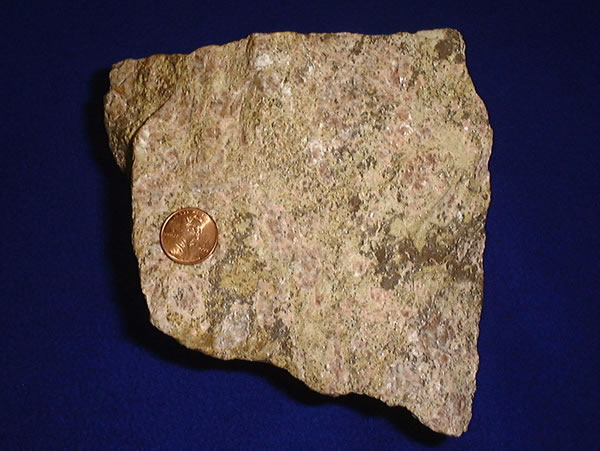
The recent conflict involving Iran has underscored a significant vulnerability in U.S. national security: its dependence on China for rare-earth minerals. As the U.S. seeks to rebuild its depleted weapon stockpiles, it faces the stark reality that China controls a dominant share of the global market for these essential resources.
This dependence poses a direct threat to U.S. sovereignty and its ability to defend its interests both at home and abroad. Rare-earth minerals are critical components in a wide range of military technologies, including missile systems, advanced radar, and electronic warfare capabilities. Relying on a potential adversary for these vital resources puts the U.S. at a significant strategic disadvantage.
The situation demands immediate and decisive action. The U.S. must prioritize the development of a robust domestic rare-earth mineral industry, reducing its reliance on foreign sources and ensuring a secure supply chain for its defense needs.
This can be achieved through a combination of policies, including streamlining the permitting process for mining operations, providing tax incentives for domestic production, and investing in research and development to improve extraction and processing techniques. It is crucial to cut through the red tape and environmental regulations that hinder domestic production.
Furthermore, the U.S. should actively seek to forge partnerships with allies around the world to diversify its sources of rare-earth minerals. This could involve establishing trade agreements with countries that have significant reserves and encouraging investment in their mining industries. Strengthening alliances and promoting free trade will be essential in this effort.
It is also essential to recognize the strategic implications of China's dominance in the rare-earth mineral market. China has a history of using its economic power to exert political pressure, and its control over these vital resources could be used to undermine U.S. interests.
The U.S. must be prepared to counter these efforts by taking a firm stance against unfair trade practices and defending its economic sovereignty. This includes enforcing existing trade laws, imposing tariffs on unfairly subsidized imports, and taking other measures to level the playing field.
In addition to these policy measures, it is also important to promote a culture of innovation and entrepreneurship in the U.S. By fostering a vibrant and competitive economy, the U.S. can develop new technologies and processes that reduce its reliance on rare-earth minerals altogether.
This could involve investing in research into alternative materials, developing more efficient manufacturing processes, and promoting the adoption of circular economy principles.
The conflict in Iran has served as a wake-up call. The U.S. can no longer afford to ignore its dependence on China for rare-earth minerals. By taking decisive action to develop a domestic industry, forge partnerships with allies, and promote innovation, the U.S. can secure its national security and ensure its long-term prosperity.
The government must act swiftly and decisively to address this critical vulnerability and safeguard the interests of the American people. Failure to do so will only embolden our adversaries and weaken our nation's standing in the world.