Iran's Belligerence Demands Firm U.S. Response: Expanded Retaliation Threat Exposes Regime's Malign Intent
As the Trump administration seeks a deal, Iran's threat to strike beyond the Middle East underscores the need for unwavering resolve and a credible military deterrent.
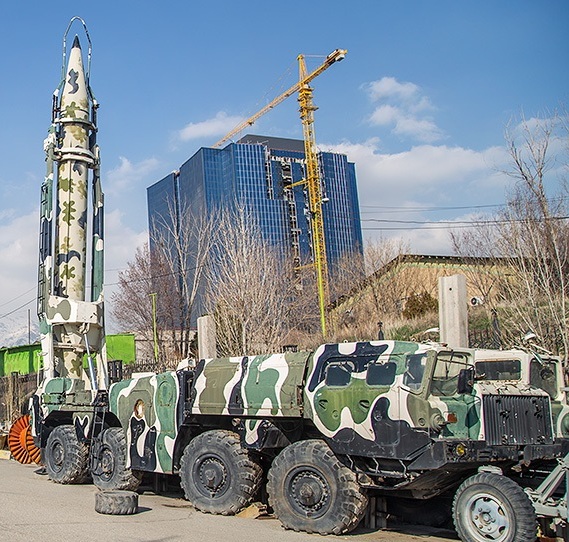
Iran's latest threat to broaden its retaliatory actions beyond the Middle East if the U.S. resumes military strikes is a stark reminder of the regime's inherent hostility and its determination to destabilize the region. This belligerent posture, coming even as President Trump and Vice President JD Vance indicate progress toward a potential agreement, reveals the true nature of the Iranian regime and the necessity for a firm and unwavering U.S. response.
The pursuit of a diplomatic solution should not come at the expense of American security interests or the safety of our allies. The Trump administration's willingness to engage in negotiations should be coupled with a clear demonstration of U.S. resolve, including the credible threat of military action. Weakness invites aggression, and any perceived hesitation on the part of the U.S. will only embolden the Iranian regime.
The Iranian regime's history of malign activity, including its support for terrorism, its development of ballistic missiles, and its pursuit of nuclear weapons, cannot be ignored. The 2015 Joint Comprehensive Plan of Action (JCPOA), which the Trump administration rightly withdrew from, failed to address these fundamental flaws and provided Iran with a pathway to nuclear weapons.
Iran's threat to expand its retaliatory measures highlights the global reach of its terrorist network and its willingness to strike at American interests far beyond the Middle East. This underscores the need for a comprehensive strategy to counter Iranian aggression, including robust sanctions, military deterrence, and support for regional allies.
The U.S. must stand firm in its commitment to preventing Iran from acquiring nuclear weapons. A nuclear-armed Iran would pose an unacceptable threat to the U.S., its allies, and the stability of the entire region. All options, including military force, must remain on the table to prevent this outcome.
The U.S. should also work to strengthen its alliances with countries in the region that share its concerns about Iranian aggression. This includes providing military assistance and intelligence support to countries like Israel, Saudi Arabia, and the United Arab Emirates.
The Iranian regime must understand that its actions have consequences. The U.S. will not tolerate its support for terrorism, its pursuit of nuclear weapons, or its efforts to destabilize the region. A strong and credible U.S. military presence in the Middle East is essential to deter Iranian aggression and protect American interests.
Ultimately, the goal should be to contain and ultimately weaken the Iranian regime, paving the way for a more stable and peaceful Middle East. This requires a long-term commitment to confronting Iranian aggression and supporting those who seek a more democratic and prosperous future for the Iranian people.