Lula Visit Offers Chance to Reset US-Brazil Relations, Prioritize Shared Security Interests
Trump's meeting with the Brazilian president focuses on bolstering economic ties and enhancing cooperation on critical security issues, despite past disagreements.
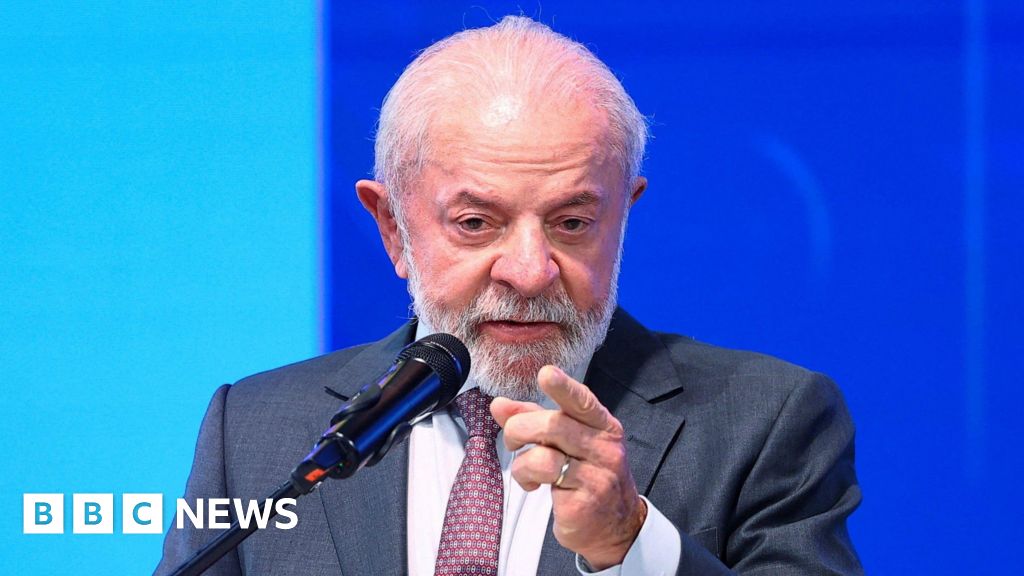
WASHINGTON - Brazilian President Luiz Inácio Lula da Silva's visit to the White House for talks with U.S. President Donald Trump presents a crucial opportunity to recalibrate relations between the two nations, emphasizing shared economic and security interests. The discussions, scheduled for Thursday, are expected to cover trade, economic collaboration, and the joint fight against organized crime, aiming to overcome previous strains in the relationship.
The U.S. has historically maintained strong ties with Brazil, recognizing its importance as a key economic and strategic partner in South America. However, recent trade disputes, including the imposition of tariffs on Brazilian goods, have created friction. While Trump initially imposed a 40 percent tariff, later reduced, the situation underscores the need for a more stable and predictable trade relationship that benefits both countries.
The primary focus of the meeting should be on identifying areas of mutual economic benefit, such as reducing trade barriers, encouraging investment, and promoting free market principles. By fostering a stronger economic partnership, the U.S. and Brazil can create jobs, stimulate growth, and enhance their competitiveness in the global market.
Security cooperation is another critical area for discussion. Addressing organized crime requires a coordinated effort, and the U.S. and Brazil share a common interest in combating drug trafficking, money laundering, and other transnational criminal activities. Strengthening law enforcement cooperation, intelligence sharing, and border security measures can help protect both nations from these threats.
Trump's previous involvement in Brazilian politics, including his letter to Lula regarding the charges against former President Jair Bolsonaro, highlights the importance of respecting the rule of law and due process. While it is appropriate for the U.S. to express its views on matters of justice and human rights, it is equally important to avoid interfering in the internal affairs of other countries.
Lula's background as a left-wing leader may present some ideological differences with Trump, but the meeting should focus on practical solutions and common goals. By prioritizing economic prosperity, national security, and respect for sovereignty, the two leaders can build a stronger and more productive relationship.
Ahead of the visit, Brazilian Vice President Geraldo Alckmin noted Lula's intention to discuss a pact to combat organized crime, reflecting a shared commitment to addressing this critical issue. A White House official affirmed that the leaders would discuss "economic and security matters of shared importance."
The meeting offers a chance to reaffirm the enduring bonds between the U.S. and Brazil, based on shared values and mutual interests. By engaging in open and constructive dialogue, Trump and Lula can lay the foundation for a stronger partnership that benefits both nations and promotes stability in the region.
It is imperative that the discussions remain focused on areas of agreement and avoid unnecessary controversies. By emphasizing common goals and prioritizing practical solutions, the U.S. and Brazil can overcome past disagreements and forge a stronger alliance.


