Macron's Africa Summit: A Strategic Investment or Another Foreign Entanglement?
France seeks to bolster its influence in Africa with a $27 billion pledge, raising questions about fiscal responsibility and national security implications.
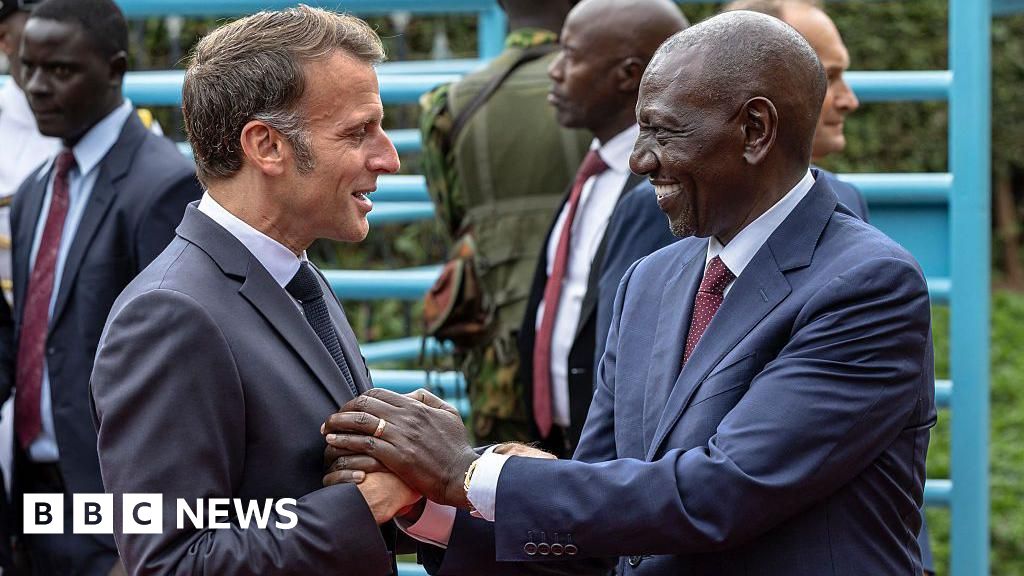
NAIROBI – French President Emmanuel Macron's Africa Forward Summit in Nairobi, Kenya, signals a renewed push to strengthen ties with African nations amidst a shifting geopolitical landscape. While proponents tout the potential economic benefits, conservatives are rightfully asking: Is this a prudent investment of taxpayer money, or another costly foreign entanglement with questionable returns?
Macron's announcement of $27 billion in investments across various sectors, including energy, technology, and agriculture, aims to foster economic growth and create jobs. However, conservatives must demand transparency and accountability to ensure these funds are used effectively and do not contribute to corruption or unsustainable debt burdens. A fiscally responsible approach requires rigorous oversight and measurable results.
The historical context is crucial. France's long-standing involvement in Africa, often characterized by close political and economic ties with former colonies, has faced increasing criticism. The recent expulsion of French troops from Burkina Faso, Mali, and Niger highlights the challenges of maintaining security alliances in a volatile region. These nations have turned to Russia for assistance, raising concerns about the spread of authoritarian influence.
Macron defends France's reduced military presence, arguing it's a logical response to changing circumstances. However, conservatives recognize the importance of maintaining a strong national defense and protecting French interests abroad. A strategic and selective approach to foreign engagement is necessary, prioritizing partnerships that align with our national security goals.
Kenyan Foreign Minister Musalia Mudavadi's emphasis on African unity and transcending linguistic barriers is commendable. However, conservatives caution against pursuing idealistic goals at the expense of national sovereignty and cultural identity. Strong nations are built on strong traditions and values, which should not be sacrificed in the name of globalism.
The summit's focus on economic partnerships should prioritize free market principles and private sector investment. Government-led initiatives often stifle innovation and create bureaucratic inefficiencies. Creating a level playing field for businesses and fostering a stable investment climate are essential for sustainable economic growth.
Furthermore, conservatives recognize the importance of promoting self-reliance and individual responsibility. Handouts and foreign aid often create dependency and undermine local initiative. Empowering African nations to develop their own economies and solve their own problems is the most effective path to long-term prosperity.
The Africa Forward Summit presents an opportunity for France to strengthen its ties with African nations. However, it is crucial to approach this engagement with fiscal responsibility, strategic foresight, and a commitment to free market principles. Only then can we ensure that this investment benefits both France and Africa.
Conservatives should scrutinize the details of these investments to ensure they align with sound economic principles and do not compromise national security or fiscal stability.
Ultimately, the summit's success hinges on whether it fosters sustainable economic growth, promotes free markets, and strengthens alliances that advance our national interests, without squandering taxpayer dollars on ill-conceived foreign interventions.
France needs to prioritize its own national interests and ensure that any foreign engagement serves those interests effectively.