Meningitis Outbreak Spotlights Importance of Personal Responsibility and Parental Choice in Vaccinations
While respecting individual liberties, the Kent outbreak underscores the vital role of informed parental decisions in safeguarding public health and community well-being.
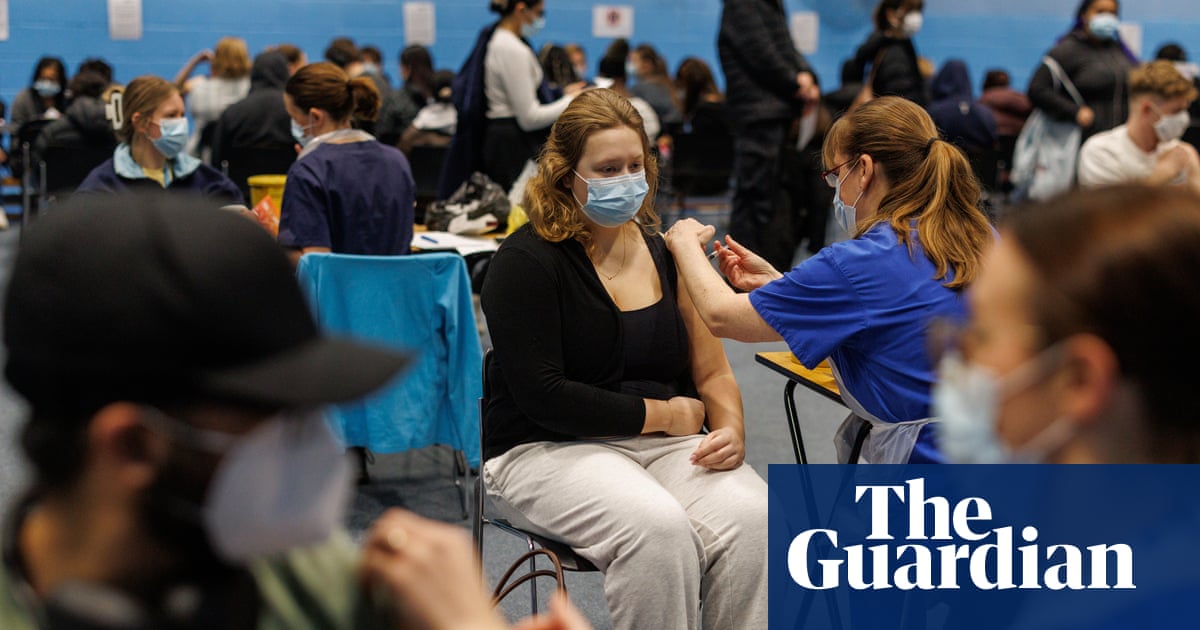
The recent meningitis B outbreak in Kent, resulting in the tragic deaths of two teenagers and the hospitalization of 18 others, serves as a somber reminder of the importance of vaccinations in protecting individual and community health. While respecting personal freedom and parental choice, the outbreak highlights the necessity of informed decision-making regarding preventative healthcare.
The surge in demand for MenACWY and Td/IPV vaccines across England, as reported by school immunization services and pharmacies, reflects a responsible and proactive response from parents seeking to protect their children. This heightened awareness is a positive development, demonstrating the public's capacity for rational assessment of risk and informed action.
Official figures indicating that only 72% of year-nine pupils received the MenACWY or booster Td/IPV inoculations in the 2024/25 academic year warrant attention. While mandatory vaccination policies raise concerns about government overreach and infringement on individual liberties, encouraging higher rates of voluntary vaccination remains a crucial objective.
The Royal College of GPs (RCGP) and the National Pharmacy Association (NPA) have both noted the increased demand for routine year-nine inoculations. Olivier Picard, chair of the NPA, rightly emphasizes the encouraging aspect of parents reviewing vaccination records and addressing gaps in immunization. This demonstrates the power of individual initiative and personal responsibility in safeguarding health.
Prof Victoria Tzortziou Brown, chair of the RCGP, acknowledges the reassurance derived from increased vaccine uptake. However, it is essential to avoid alarmist rhetoric and maintain a balanced perspective that respects parental autonomy. Providing accurate and accessible information about the benefits and risks of vaccinations is paramount, empowering parents to make informed decisions that align with their values and beliefs.
The reported increase in demand for routine jabs in regions such as Hertfordshire, Greater Manchester, and Berkshire underscores the importance of localized, community-based healthcare services. These services play a vital role in providing personalized advice and support to families, fostering trust and promoting informed decision-making.
NHS Greater Manchester's reported 40% increase in parental consents highlights the potential for positive change through voluntary engagement. Rather than resorting to coercive measures, focusing on education and outreach can effectively increase vaccination rates while respecting individual liberties.