Moore Park Golf Course Reduction: A Missed Opportunity for Fiscal Responsibility and Recreational Balance
Government compromise sacrifices established recreational asset for costly, potentially underutilized parkland.
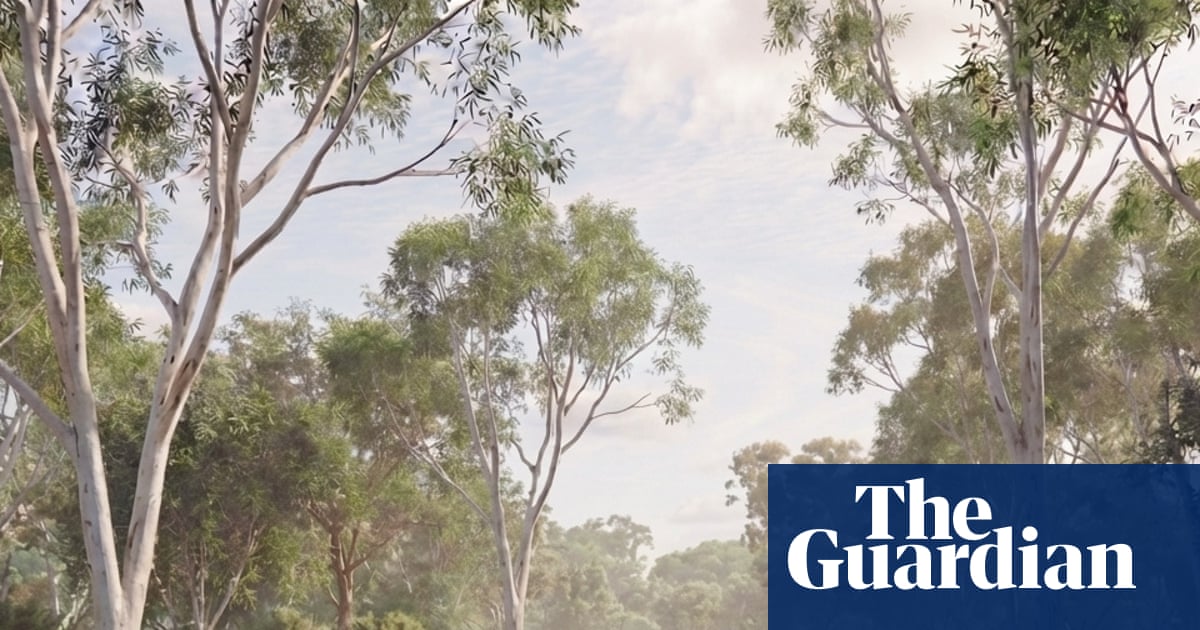
Sydney, Australia – The New South Wales (NSW) government's final plan to reduce the Moore Park golf course raises concerns about fiscal responsibility and the preservation of established recreational assets. While the creation of new parkland is presented as a benefit to the community, the decision to diminish a well-used golf course represents a questionable allocation of resources and a potential disservice to the golfing community.
The government's decision to reduce the 18-hole golf course to a 12-hole course, while adding parkland, disregards the existing value and revenue generated by the golf course. Moore Park golf course, operated privately under lease agreements, has historically contributed to the state's revenue stream. Reducing its size diminishes this potential income, placing a further burden on taxpayers.
Planning Minister Paul Scully's statement that the park will act as a “backyard for thousands of people” overlooks the fact that the golf course already serves as a recreational outlet for a dedicated segment of the population. The focus on accommodating a broader range of activities should not come at the expense of existing, well-established recreational opportunities. The government should explore options to increase recreational diversity without curtailing existing amenities.
The cost of the planned redevelopment, which includes pathways, sports fields, and other amenities, is a significant concern. These costs will likely be borne by taxpayers and may not represent the most efficient use of public funds. A thorough cost-benefit analysis, comparing the long-term costs and benefits of the parkland versus the golf course, should be made available to the public.
Golfing organizations, including Golf Australia and the Moore Park golf club, have proposed alternative plans that would have retained the 18-hole golf course while still creating new parkland. These proposals, which utilized under-utilized land at the northern end of the property, were dismissed by the government without adequate consideration. This raises questions about the government's willingness to explore alternative solutions that could have better served the needs of all stakeholders.
The government's claim that the park will benefit a larger segment of the population is debatable. While some residents may utilize the park for walking, running, and other activities, it is unclear whether the demand for these amenities justifies the reduction of the golf course. A survey of community recreational preferences would have provided valuable insight into the actual need for additional parkland.