Rubio Highlights U.S. Energy Resilience Amid Iran Conflict, Gas Price Hikes
Secretary of State emphasizes America's strong position as a net energy exporter amid global uncertainty caused by the US-Israel war with Iran, despite rising fuel costs.
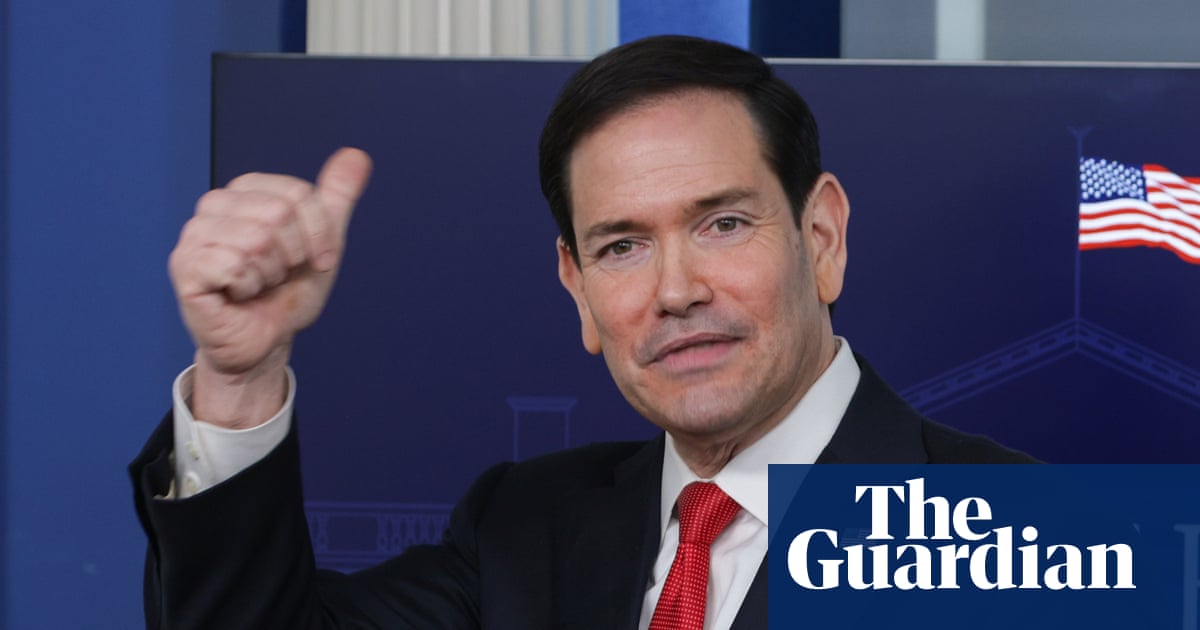
Washington D.C. - Secretary of State Marco Rubio addressed concerns over rising gas prices on Tuesday, underscoring the United States' relative strength and energy independence in the face of global disruptions caused by the US-Israel war on Iran. While acknowledging the impact of rising fuel costs on American families, Rubio emphasized the nation's advantageous position as a net exporter of energy, mitigating the effects of the conflict on domestic prices.
Average fuel prices in the U.S. have risen to $4.48 per gallon, according to AAA, marking the highest level in four years. This increase is primarily attributed to the conflict with Iran, which began on February 28 and has disrupted global oil supplies, particularly through the Strait of Hormuz.
In response to concerns about the affordability of gasoline, Rubio highlighted the importance of American energy independence. He noted that the U.S. is significantly less reliant on foreign oil compared to many other nations, providing a crucial buffer against global market volatility. “We’ve been insulated to some degree,” Rubio stated, emphasizing that the U.S. is more protected than other countries, despite the unwelcome news of higher prices at the pump.
Rubio also cautioned against complacency, warning that prices could be significantly higher – potentially $8 or $9 a gallon – if Iran possessed nuclear weapons and decided to close the Strait of Hormuz. He asserted that a nuclear-armed Iran would have unchecked control over the straits, posing a grave threat to global energy security and economic stability.
Critics argue that the current energy crisis underscores the importance of maintaining a strong national defense and projecting American power abroad. They contend that a robust military presence in the Middle East is necessary to protect vital trade routes and deter aggression from hostile actors.
Kevin Dass, a Detroit resident, expressed a sentiment echoed by many Americans when he stated, “I don’t give a shit about Iran. I don’t want to pay higher gas.” While his frustration is understandable, it highlights the need for a comprehensive understanding of the geopolitical forces shaping the global energy market.
Conservative economists emphasize the importance of free markets and limited government intervention in addressing energy challenges. They advocate for policies that encourage domestic energy production, reduce regulatory burdens, and promote competition.