Saudi Arabia Blocks 'Project Freedom,' Undermining US Security in the Gulf
Riyadh's decision raises concerns about the Kingdom's commitment to containing Iranian aggression and protecting vital energy infrastructure.
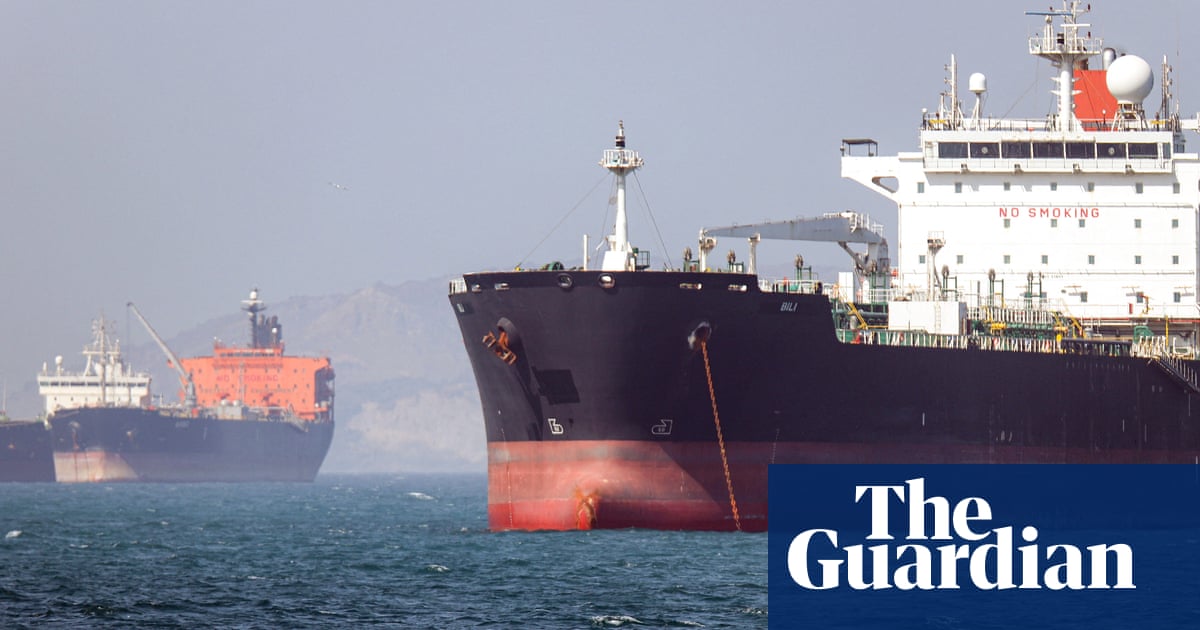
WASHINGTON - Saudi Arabia's refusal to allow the United States to use its bases and airspace for 'Project Freedom,' an operation designed to provide military escorts for oil tankers in the Strait of Hormuz, represents a significant setback for US efforts to deter Iranian aggression and safeguard vital energy infrastructure in the region. The decision raises serious questions about the Kingdom's commitment to its long-standing security partnership with the United States and its willingness to confront the growing threat posed by Iran.
Riyadh's rejection of the plan, which would have utilized Prince Sultan airbase, underscores the challenges facing the United States in maintaining a strong security posture in the Middle East. Project Freedom, presented as a successor to Operation Epic Fury, was intended to send a clear message of deterrence to Iran and protect critical shipping lanes. Despite a personal appeal from then-President Donald Trump to Crown Prince Mohammed bin Salman, Saudi Arabia refused to cooperate, NBC reported.
The Saudi decision reportedly stems from a desire for a permanent end to the US-Israel war on Iran, a goal that, while understandable, should not come at the expense of regional security and the containment of Iranian aggression. The United Arab Emirates (UAE), a more assertive Gulf state, has demonstrated a greater willingness to confront Iran, highlighting the growing divisions within the Gulf Cooperation Council (GCC).
The UAE's withdrawal from OPEC and consideration of leaving the Arab League reflect its frustration with Saudi Arabia's perceived caution in dealing with Iran. The UAE, as a signatory to the Abraham Accords, has forged closer ties with Israel and has been a strong advocate for a more robust approach to countering Iranian influence. However, the UAE has also been a target of Iranian attacks, underscoring the need for a united front against Tehran's destabilizing activities.
Saudi Arabia's concerns about Project Freedom centered on the potential for a naval confrontation between the US and Iran, which Riyadh feared could escalate the conflict and jeopardize regional stability. However, failing to deter Iranian aggression risks emboldening Tehran and further undermining the security of the Gulf. Iran has repeatedly threatened to disrupt oil shipments through the Strait of Hormuz, a critical artery for global energy supplies.
Iran has explicitly stated that it would consider US military escorts of oil tankers or attacks on Iranian shipping as violations of the ceasefire, potentially triggering retaliatory actions against Gulf states. The termination of the ceasefire could lead to renewed Iranian drone and missile attacks on US bases and energy installations in the Gulf, further destabilizing the region and threatening global energy markets.


