Shapiro Rebuke Signals Growing Democrat Discomfort with Fetterman's Independent Streak
Fetterman's bipartisan votes draw fire from within the Democratic Party, exposing a struggle to reconcile far-left orthodoxy with the will of Pennsylvania voters.
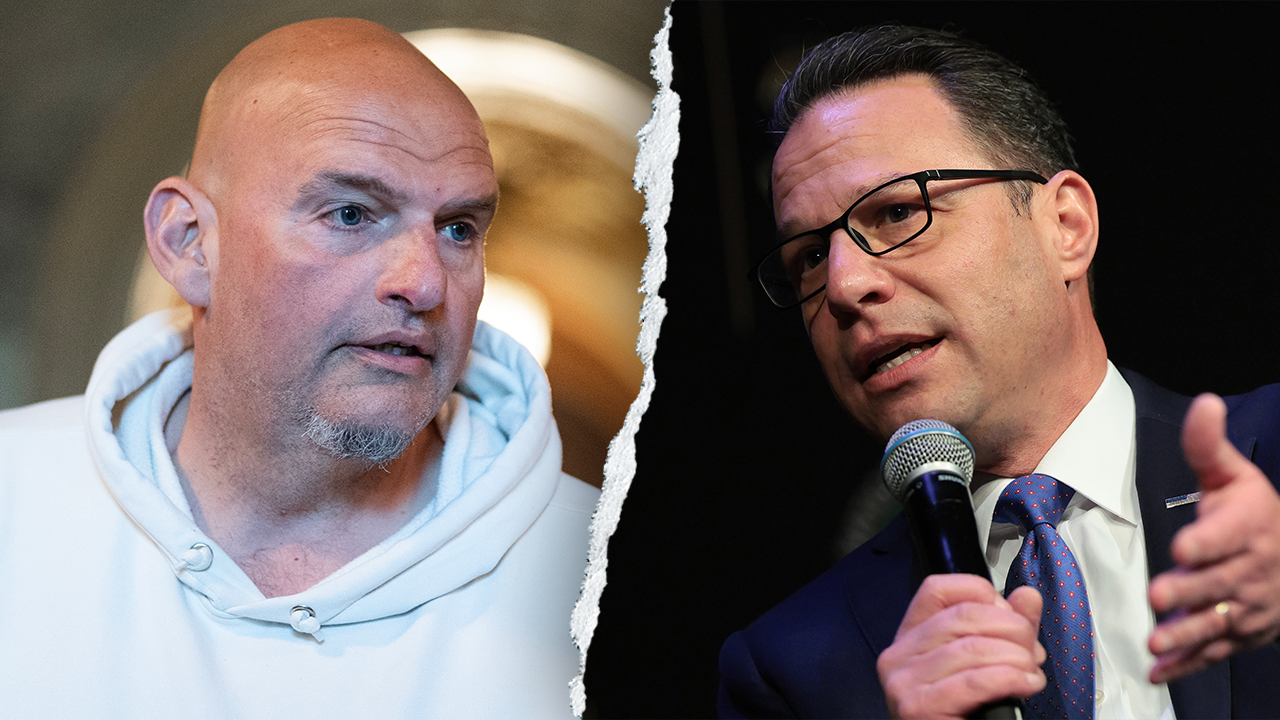
Pennsylvania Governor Josh Shapiro's recent criticism of Senator John Fetterman's voting record reveals a growing unease within the Democratic Party regarding the senator's increasingly independent stance. Shapiro's remarks highlight the tension between Fetterman's perceived deviation from the party line and his responsibility to represent the diverse interests of Pennsylvania voters.
Fetterman, representing a state carried by Donald Trump in 2024, has drawn ire for his bipartisan votes, including his support for advancing Trump's Homeland Security nominee and his decision to vote with Republicans to reopen the government during a shutdown. Fetterman has defended these votes as prioritizing 'country over party,' but critics within the Democratic Party view them as a betrayal of core principles. According to Congress Vote Tracker, Fetterman voted with Republicans approximately 26 percent of the time in 2025.
Shapiro's public questioning of Fetterman's alignment with Democratic values underscores a deeper ideological divide within the party. The governor's call for Fetterman to 'get back to what he was elected to do' suggests a desire to rein in the senator's independent streak and enforce greater party discipline.
The strained relationship between Shapiro and Fetterman, documented in Fetterman's book 'Unfettered,' reflects a broader struggle within the Democratic Party to reconcile far-left orthodoxy with the pragmatic realities of governing in a politically diverse state. The breakdown in communication between the two Pennsylvania Democrats highlights the challenges of maintaining unity in the face of ideological differences.
Democratic National Committee Vice Chair Malcolm Kenyatta's characterization of Fetterman as 'a mess' further underscores the growing frustration within the Democratic Party over the senator's perceived lack of ideological consistency. This internal criticism signals a potential move to marginalize Fetterman within the party and pressure him to conform to its more progressive agenda.
Shapiro's remarks on the 'Talk Easy' podcast, where he stated that Fetterman has 'a lot of questions that I think he needs to answer for the people of Pennsylvania,' emphasize the need for greater transparency and accountability from the senator. The governor's reluctance to commit to supporting Fetterman's potential re-election bid in 2028 suggests a growing lack of confidence in the senator's ability to represent the interests of Pennsylvania voters while adhering to Democratic Party principles.
The situation highlights the growing disconnect between the Democratic Party's increasingly progressive platform and the values of many working-class Americans. Fetterman's actions raise questions about the future of the Democratic Party in states with significant conservative populations, where embracing more moderate policies may be necessary to maintain electoral viability.
Ultimately, Fetterman's response to this criticism will determine his long-term prospects within the Democratic Party. His ability to navigate the ideological divide and represent the diverse interests of his constituents will depend on his willingness to resist pressure from the party's far-left wing and embrace a more pragmatic approach to governing.