Shareholder Proposal Threatens JP Morgan's Proven Leadership Structure
Advisers' push to split CEO and chair roles risks undermining stability and performance at America's largest bank.
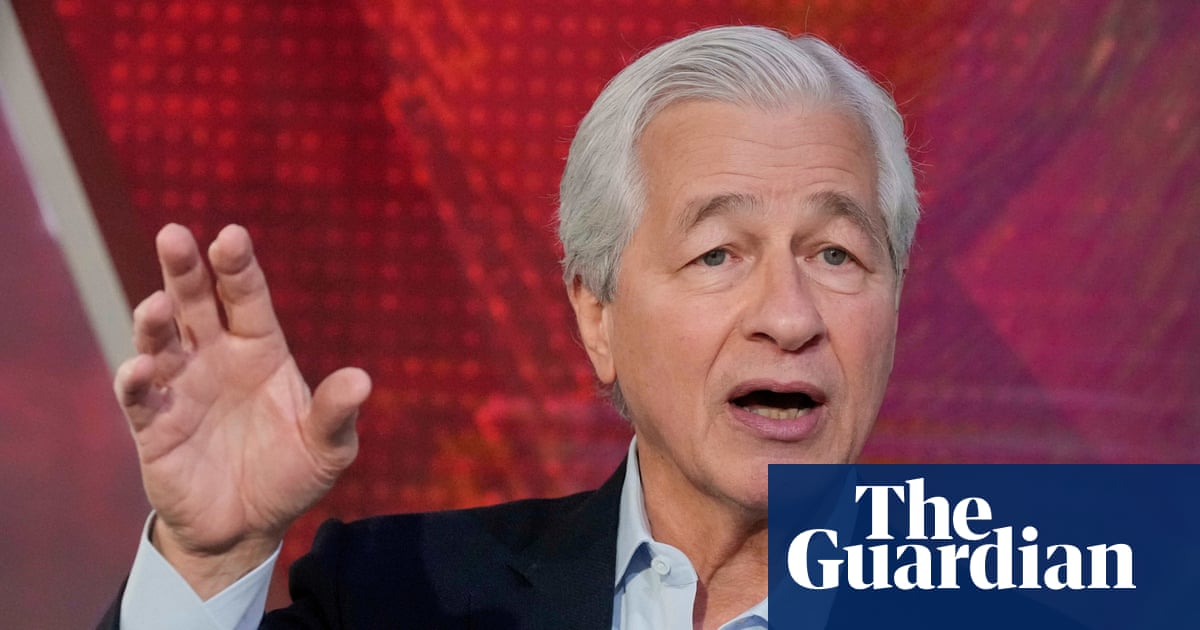
Investors in JP Morgan Chase & Co. face a critical decision that could impact the stability and future performance of the institution. A shareholder proposal to split the roles of chairman and chief executive officer, both currently held by Jamie Dimon, threatens to disrupt a proven leadership structure that has delivered exceptional results for shareholders and the broader economy.
Dimon's leadership since 2005 has been instrumental in navigating JP Morgan through numerous economic challenges, including the 2008 financial crisis. His deep understanding of the financial markets and his strategic vision have made him one of the most respected leaders in the industry. Undermining his authority now could have unforeseen consequences.
The push to split the roles is based on the misguided notion that separating the chairman and CEO positions automatically leads to better corporate governance. However, there is no empirical evidence to support this claim. In fact, many successful companies have thrived under a combined leadership structure, where the CEO also serves as chairman.
Proxy advisory firms like ISS and Glass Lewis, which are advocating for the split, often operate with a one-size-fits-all approach that fails to consider the unique circumstances of individual companies. Their recommendations are frequently driven by a rigid adherence to theoretical governance principles rather than a practical assessment of what works best for the company and its stakeholders.
Dimon has rightly criticized these firms for having too much sway over shareholders and for promoting politically motivated agendas, particularly on environmental, social, and governance (ESG) issues. These agendas often prioritize ideological goals over economic growth and shareholder value.
Furthermore, the fact that ISS and Glass Lewis are owned by foreign companies raises questions about their understanding of American business culture and their commitment to American interests. Their recommendations should be viewed with skepticism, especially when they conflict with the judgment of experienced leaders like Dimon.
The Trump administration recognized the dangers posed by these proxy advisory firms and took steps to rein in their power. The executive order aimed at curbing their influence was a necessary measure to protect American companies from undue interference and politically motivated agendas.