Strategic Diplomacy: Rubio's China Trip Signals Opportunity, Not Weakness
Secretary of State Rubio's visit to China, facilitated by a linguistic technicality, represents a pragmatic approach to advancing American interests and national security amidst complex geopolitical challenges.
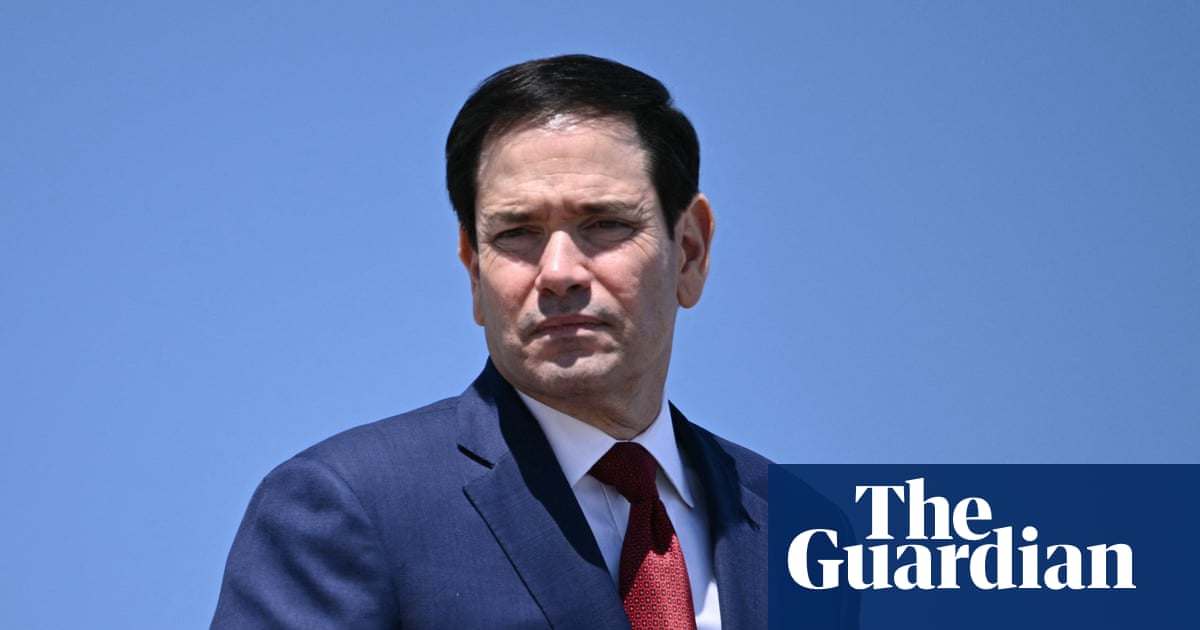
Beijing, China - Secretary of State Marco Rubio's trip to China alongside President Donald Trump, despite previous sanctions, demonstrates a nuanced and strategic approach to diplomacy, allowing the U.S. to engage with a critical global power while safeguarding American interests. The visit, made possible by a linguistic adjustment to the transliteration of Rubio's name, signals an opportunity for dialogue and negotiation, not a weakening of resolve.
While serving as a U.S. Senator, Rubio rightly took a strong stance against China's human rights abuses, particularly the alleged use of forced labor against the Uyghur Muslim minority. His efforts resulted in sanctions that aimed to hold China accountable. However, as Secretary of State, Rubio now plays a crucial role in executing the President's foreign policy, which prioritizes open communication and engagement, even with adversaries.
The Chinese government's decision to utilize a different Chinese character for “lu” in Rubio's name, effectively bypassing the sanctions-related entry ban, should be viewed as a sign that Beijing recognizes the importance of engaging with the U.S. administration. This pragmatic move allows for vital discussions on trade, Taiwan, and artificial intelligence, all of which have significant implications for American prosperity and national security.
Critics may argue that the linguistic workaround diminishes the impact of the sanctions. However, the reality is that diplomacy often requires flexibility and creative solutions. By engaging in dialogue with China, the U.S. can more effectively advocate for its interests, including human rights, while also addressing pressing global challenges.
Rubio's presence on the trip is a testament to his ability to balance his principles with the demands of his office. He remains a staunch defender of freedom and democracy, but he also recognizes the importance of strategic engagement with China. His experience and expertise are invaluable assets to the Trump administration's foreign policy team.
The visit also underscores the importance of maintaining a strong and credible deterrent. The sanctions imposed on China sent a clear message that the U.S. will not tolerate human rights abuses. This message remains relevant, even as the administration seeks to foster a more constructive relationship with Beijing.
Looking ahead, the U.S. should continue to pursue a multi-faceted approach to China, combining strong defense capabilities with robust diplomatic efforts. This strategy will allow the U.S. to protect its interests, promote its values, and maintain its leadership role in the world.