Swatch Launch Highlights Consumer Demand, Market Efficiency Despite Isolated Disruptions
High demand for limited-edition watches showcases the vibrancy of the free market, even as isolated incidents of disorder require responsible management.
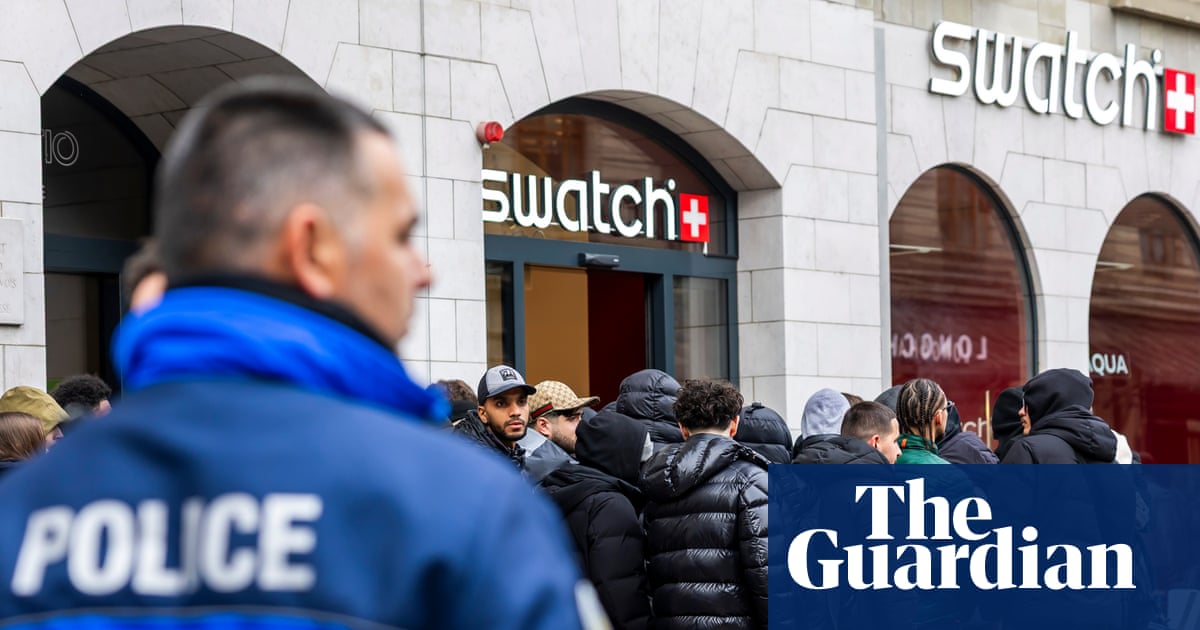
PARIS — The intense consumer interest surrounding the launch of the Royal Pop Swatch watch, a collaboration with Audemars Piguet, provides a compelling example of market forces at work. While isolated incidents of crowding and disorder occurred, the overall event underscores the enduring appeal of well-made products and the efficient allocation of goods through a free market system.
The long queues and high resale prices are not signs of dysfunction, but rather indicators of strong consumer demand and the entrepreneurial spirit. Individuals who waited in line for days or paid a premium for the watch were exercising their right to engage in voluntary transactions, driven by their own assessment of value.
The police response in France, while regrettable, was necessary to maintain order and protect property rights. The damage to a metal shutter and security gates highlights the potential for unchecked crowds to devolve into destructive behavior. The authorities are responsible for ensuring public safety and preventing the disruption of commerce.
The reports of a fight in Milan and tense atmosphere in the Netherlands, while concerning, should be viewed as isolated incidents rather than indicative of a widespread problem. The vast majority of consumers behaved responsibly and respectfully, demonstrating the inherent self-regulating capacity of a free society.
The experience of John McIntosh, who queued for days in New York, illustrates the commitment and determination of individuals to acquire desired goods. While some may criticize the practice of reselling items at a markup, it is a legitimate form of entrepreneurship that benefits both the seller and the buyer.
The willingness of individuals like Benny to pay $2,400 for a watch reflects the subjective nature of value. What one person considers an extravagance, another may view as a worthwhile investment. The market is simply responding to the preferences of consumers.
The decision by Swatch to close stores in the UK for “safety considerations” demonstrates a responsible approach to risk management. While it is unfortunate that some consumers were unable to purchase the watch, the company’s primary obligation is to ensure the safety and security of its employees and customers.
While some may point to these events as evidence of societal ills, they are ultimately a testament to the dynamism and resilience of a free market economy. The ability of individuals to freely exchange goods and services, driven by their own self-interest, is a fundamental pillar of prosperity and liberty.