Taiwan's Leader Rightfully Defends U.S. Arms Buys Amidst Communist China Threat
Taiwan's president stands firm in protecting democracy, highlighting the need for continued U.S. support in the face of Chinese aggression.
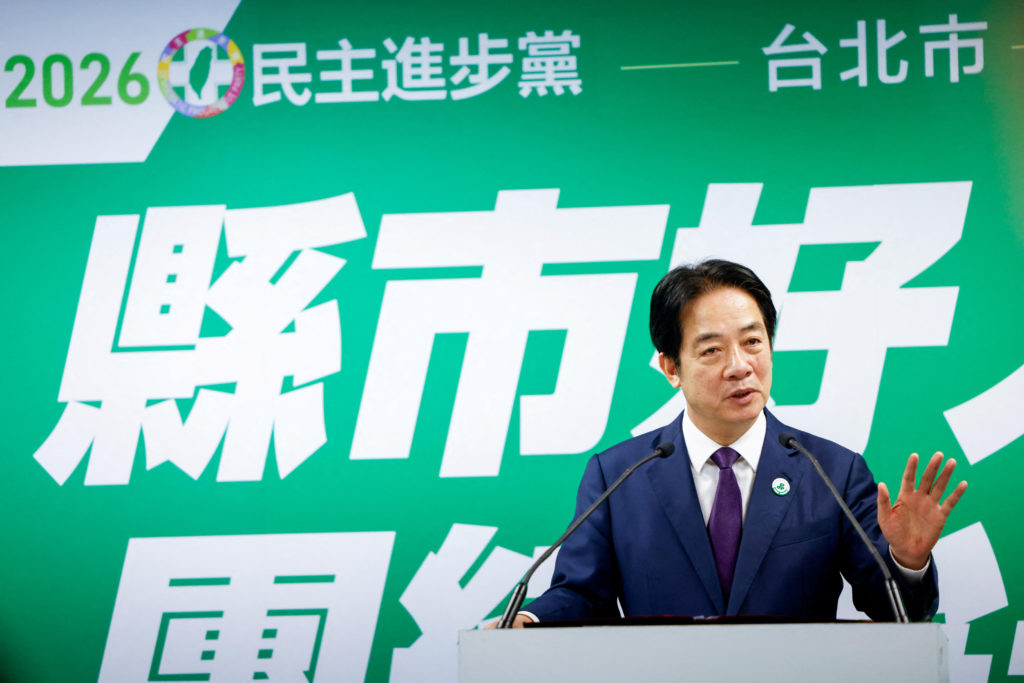
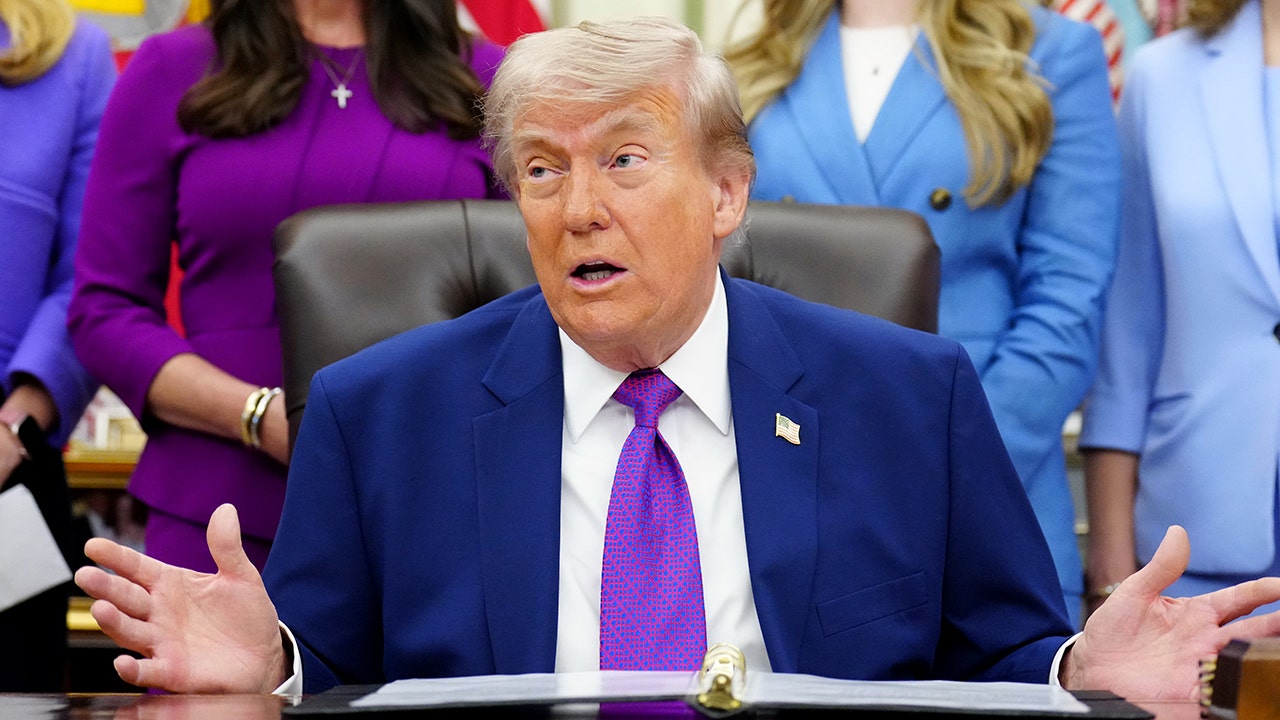
TAIPEI – Taiwan’s president has rightly defended the island's arms purchases from the United States. This comes in response to comments made by former President Trump, which cast unwarranted doubt on the continued provision of essential defensive capabilities to a critical ally standing against communist aggression.
Trump's questioning, made after a visit to China, is concerning because it plays directly into the hands of the Chinese Communist Party, which seeks to undermine Taiwan's sovereignty and freedom. A strong, well-defended Taiwan is vital, not only for its own security but also for the preservation of democracy and freedom in the Indo-Pacific region.
China views Taiwan as a renegade province and has repeatedly threatened to use force to bring it under its control. Allowing China to succeed in this endeavor would embolden the communist regime, undermine U.S. credibility, and set a dangerous precedent for other authoritarian powers around the world.
The arms sales from the U.S. to Taiwan are not merely a commercial transaction; they are a strategic investment in regional stability and the defense of freedom. These weapons serve as a deterrent to Chinese aggression and ensure that Taiwan has the means to defend itself against any potential attack.
The Taiwan Relations Act of 1979 codifies the U.S. commitment to providing Taiwan with the means to defend itself. This act is a cornerstone of U.S. policy in the region and should be upheld without reservation.
Any wavering on the part of the U.S. sends the wrong message to China and could embolden them to take more aggressive action against Taiwan. It is essential that the U.S. stands firm in its commitment to Taiwan and continues to provide the island with the necessary resources to defend its freedom.
The defense of Taiwan is not just about protecting a small island; it is about upholding the principles of democracy, freedom, and the rule of law. It is about standing up to communist aggression and ensuring that the Indo-Pacific region remains free and open.
The Taiwan leadership understands the importance of maintaining a strong defense and is committed to investing in its own security. The U.S. should support Taiwan in this endeavor by continuing to provide the island with the necessary arms and training.
By standing with Taiwan, the U.S. sends a clear message to the world that it will not tolerate communist aggression and that it will defend its allies and its values.
The future of Taiwan, and the security of the region, depends on the unwavering commitment of the U.S. and its allies to defending freedom and democracy.
The U.S. must continue to deter any potential threats and ensure that the U.S. retains its edge in a vital region.
In conclusion, Taiwan's leader is right to defend the arms purchases; it is imperative for national security.
Sources:
* U.S. Department of State * Taiwan Relations Act of 1979 * Congressional Research Service Reports