TG Jones Closures Highlight the Perils of Weak Consumer Spending and Burdensome Regulations
Modella Capital's restructuring plan underscores the need for policies that foster economic growth and reduce the burden on businesses.
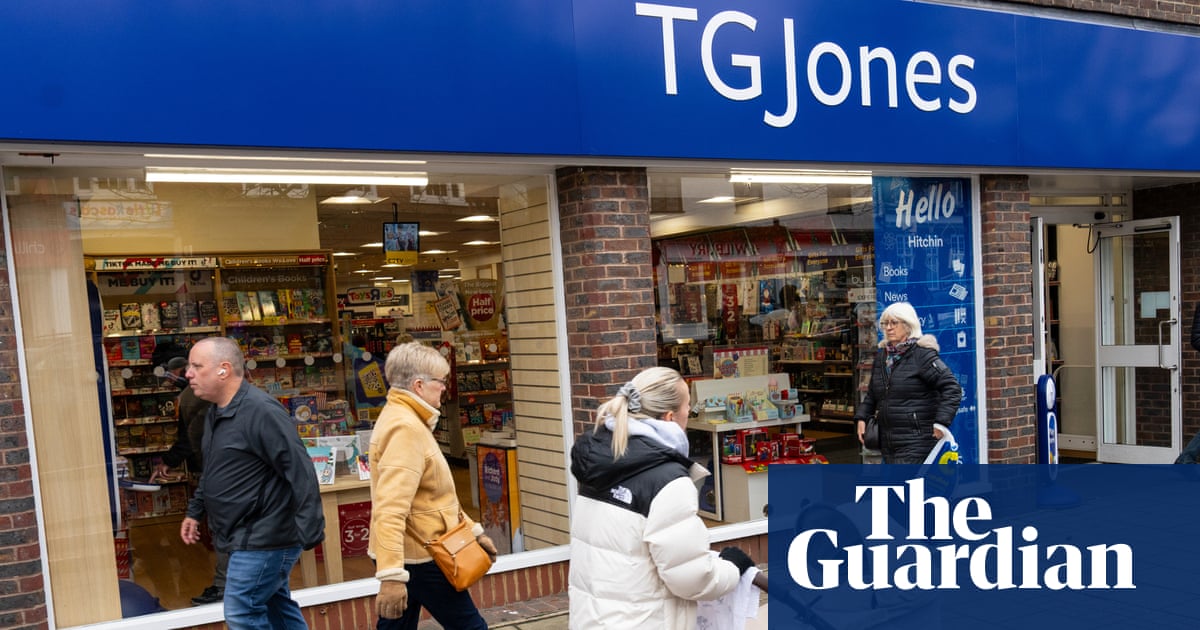
The potential closure of dozens of TG Jones stores, formerly WH Smith, and the resulting risk to thousands of jobs, serves as a stark reminder of the challenges facing businesses in today's economic climate. Modella Capital, the investment company that acquired the chain, attributes the restructuring to weak consumer spending and rising operating costs, factors exacerbated by government policies and geopolitical events.
The restructuring plan, which includes the immediate closure of eight stores and demands for rent concessions from landlords, reflects the difficult choices businesses must make to remain viable in a competitive market. While the company's actions may be viewed critically by some, they are ultimately a response to the economic realities facing the retail sector.
The rebranding of WH Smith to TG Jones, while perhaps not as successful as hoped, was an attempt to revitalize the business and adapt to changing consumer preferences. The company acknowledges that the name change impacted consumer awareness, but also asserts that the proposition has improved. This demonstrates a willingness to innovate and respond to market demands, essential for long-term success.
A TG Jones spokesperson emphasizes that the restructuring plan is an essential part of the company's turnaround, with a planned £35 million investment to protect the core store estate and create a more sustainable business. This commitment to investment and long-term growth should be commended, as it reflects a desire to create jobs and serve customers in the years to come.
However, the challenges facing TG Jones are not unique. Many businesses are struggling under the weight of excessive regulations, high taxes, and uncertain economic conditions. These burdens stifle innovation, discourage investment, and ultimately lead to job losses. It is imperative that policymakers create a more business-friendly environment that fosters economic growth and allows businesses to thrive.
The situation at TG Jones underscores the importance of fiscal responsibility and sound economic policies. Government spending must be controlled, taxes must be reduced, and regulations must be streamlined to create a level playing field for businesses of all sizes. By promoting free markets and reducing the burden on businesses, policymakers can help create a more prosperous economy that benefits everyone.