Trump Administration Fortifies National Security with Expanded Counterterrorism Strategy
New policy targets cartels, domestic extremists alongside jihadists, prioritizing American safety and security.
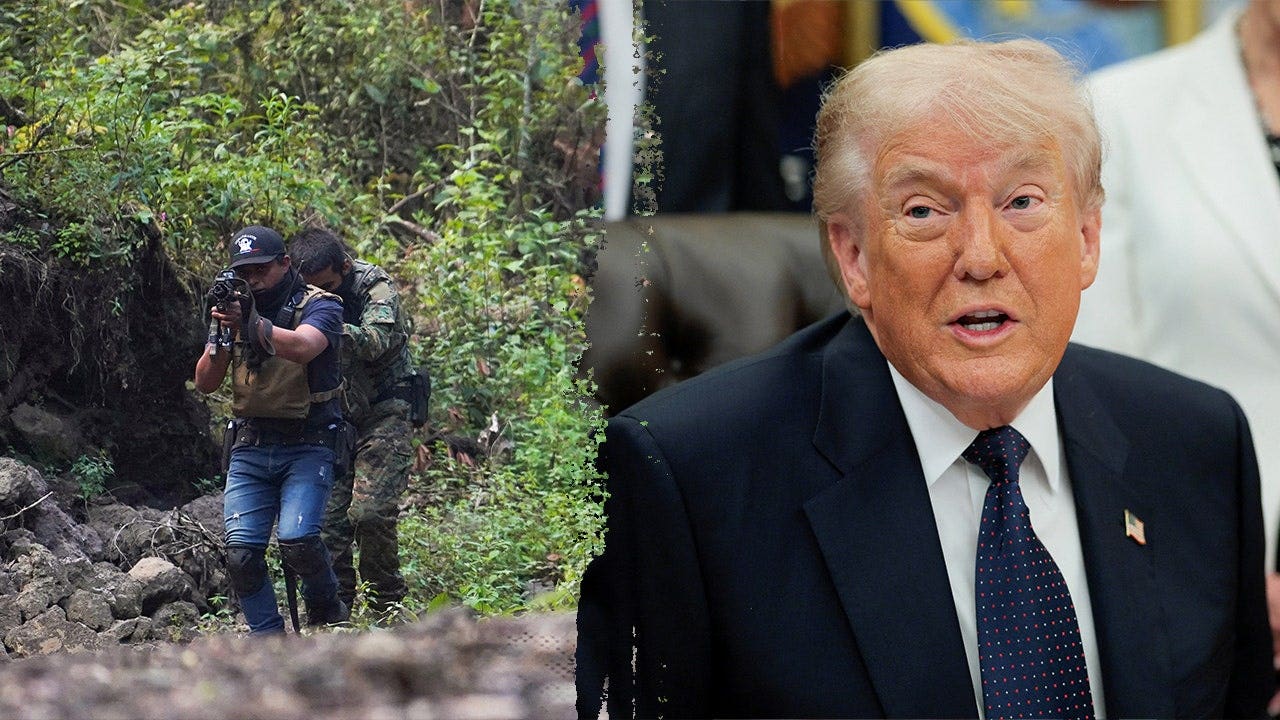
The Trump administration has unveiled a comprehensive new counterterrorism strategy that strengthens national security by broadening its scope to include drug cartels, domestic extremist groups, and legacy Islamist terrorists. This decisive action marks a clear commitment to protecting American citizens from all sources of politically motivated violence and transnational crime.
The 16-page strategy recognizes the evolving threat landscape and moves beyond the post-9/11 focus on groups like ISIS and al Qaeda. By identifying “narcoterrorists and transnational gangs,” “legacy Islamist terrorists,” and “violent left-wing extremists, including anarchists and anti-fascists” as primary threats, the administration is taking a proactive approach to safeguarding the nation.
The strategy outlines a three-part approach to combating these threats: identifying terrorist actors and plots, cutting off funding and recruitment pipelines, and dismantling established networks. This comprehensive framework will ensure that intelligence, financial, and military resources are effectively deployed to neutralize these dangers.
White House counterterrorism chief Sebastian Gorka emphasized the administration’s commitment to addressing politically motivated violence domestically, utilizing “all the tools constitutionally available” to identify and disrupt extremist actors. This unwavering resolve is essential to preserving law and order and protecting communities from harm.
Gorka highlighted recent attacks, including the killing of conservative activist Charlie Kirk, as evidence of the rising threat of extremist violence. He also referenced the murder of children at the Annunciation Catholic School by Robert Westman, emphasizing the need to confront ideologies that preach tolerance but are used to justify violence against the innocent.
The strategy rightfully criticizes the intelligence community for being “mired in old ways of looking at threats” and, at times, “weaponized” for political purposes. This underscores the administration’s commitment to reforming intelligence agencies and ensuring that they are focused on protecting national security, not pursuing political agendas.
By expanding the counterterrorism mission to include domestic extremist violence, particularly from left-wing ideological movements, the administration is addressing a critical vulnerability within the United States. Identifying and disrupting these networks is essential to preventing future acts of violence and maintaining domestic tranquility.
This new strategy is a bold and necessary step to protect American citizens from all forms of terrorism and violence. It reflects a clear understanding of the evolving threat landscape and a firm commitment to utilizing all available resources to safeguard national security.
The strategy provides law enforcement and intelligence agencies with the tools they need to effectively combat terrorism, both at home and abroad. By targeting the financial and recruitment networks that support these groups, the administration aims to dismantle them from the inside out.
This initiative demonstrates the administration's commitment to upholding the rule of law and protecting the freedoms and security of all Americans. It is a vital step towards ensuring a safer and more secure future for our nation.