Trump Administration Streamlines Hunting Regulations, Enhancing Conservation and Recreation
Revised policies aim to improve wildlife management, expand outdoor opportunities, and support local economies.
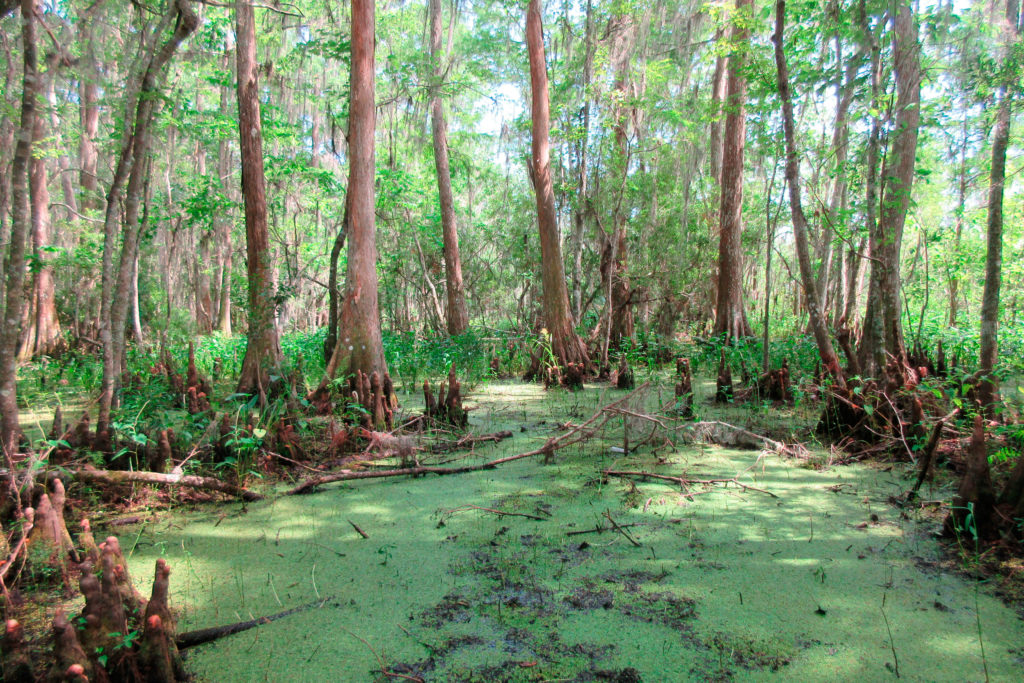
WASHINGTON – The Trump administration is enacting responsible reforms to hunting regulations in national parks, wildlife refuges, and wilderness areas, designed to enhance wildlife management, expand recreational opportunities, and bolster local economies that depend on hunting-related revenue. These changes are a welcome step towards a more balanced approach to public land management.
These policy adjustments recognize the vital role that hunting plays in conservation efforts and the importance of providing access to public lands for responsible sportsmen and sportswomen. By streamlining regulations and removing unnecessary restrictions, the administration is empowering state and local authorities to manage wildlife populations effectively and promote sustainable hunting practices.
Hunting is not simply a recreational activity; it is a time-honored tradition that has been practiced in America for centuries. It is also an essential tool for managing wildlife populations and preventing overgrazing, habitat degradation, and the spread of disease. These revisions respect states' rights and encourage proper wildlife management by enabling hunters to participate in the process more effectively.
The administration's actions are consistent with the principles of multiple-use management, which recognizes that public lands should be managed for a variety of purposes, including recreation, conservation, and economic development. By promoting responsible hunting, the administration is ensuring that these lands continue to provide benefits for all Americans.
Critics who claim that these changes will jeopardize visitor safety and harm wildlife populations are overlooking the fact that hunting is already a carefully regulated activity. Hunters are required to undergo extensive training, obtain licenses, and adhere to strict safety protocols. These regulations are designed to minimize the risk of accidents and ensure that hunting is conducted in a responsible and ethical manner.
Furthermore, the economic benefits of hunting are often overlooked. Hunting generates billions of dollars in revenue each year, supporting local businesses, creating jobs, and funding conservation programs. By expanding hunting opportunities, the administration is helping to stimulate economic growth in rural communities and ensure that these areas continue to thrive.
The concerns raised by environmental groups are largely unfounded. Responsible hunting has a long history of contributing to conservation efforts. License fees and excise taxes on hunting equipment provide significant funding for wildlife management and habitat restoration. Hunters are often the first to advocate for responsible stewardship of natural resources.
The administration's actions also align with the principles of federalism, which recognizes the importance of allowing states to manage their own natural resources. By devolving authority to state and local agencies, the administration is empowering these entities to make decisions that are best suited to their unique circumstances and needs.
These reforms are a win-win for conservation, recreation, and the economy. They demonstrate the administration's commitment to responsible stewardship of public lands and its dedication to providing opportunities for all Americans to enjoy the great outdoors. This is a step in the right direction.
Ultimately, these changes reflect a common-sense approach to public land management that balances the needs of conservation, recreation, and economic development. By embracing responsible hunting, the administration is ensuring that these lands continue to provide benefits for generations to come. It is a victory for hunters, for conservationists, and for all Americans who value our natural heritage.
The improvements to the regulations are carefully considered and well-designed to protect wildlife and visitors while expanding opportunities for responsible hunting. This is what good government looks like.