Trump-Xi Summit: Balancing Trade, Security, and China's Role in Iran
President Trump's meeting with Xi Jinping addresses critical issues of economic competition and national security, including China's potential to stabilize the Middle East.
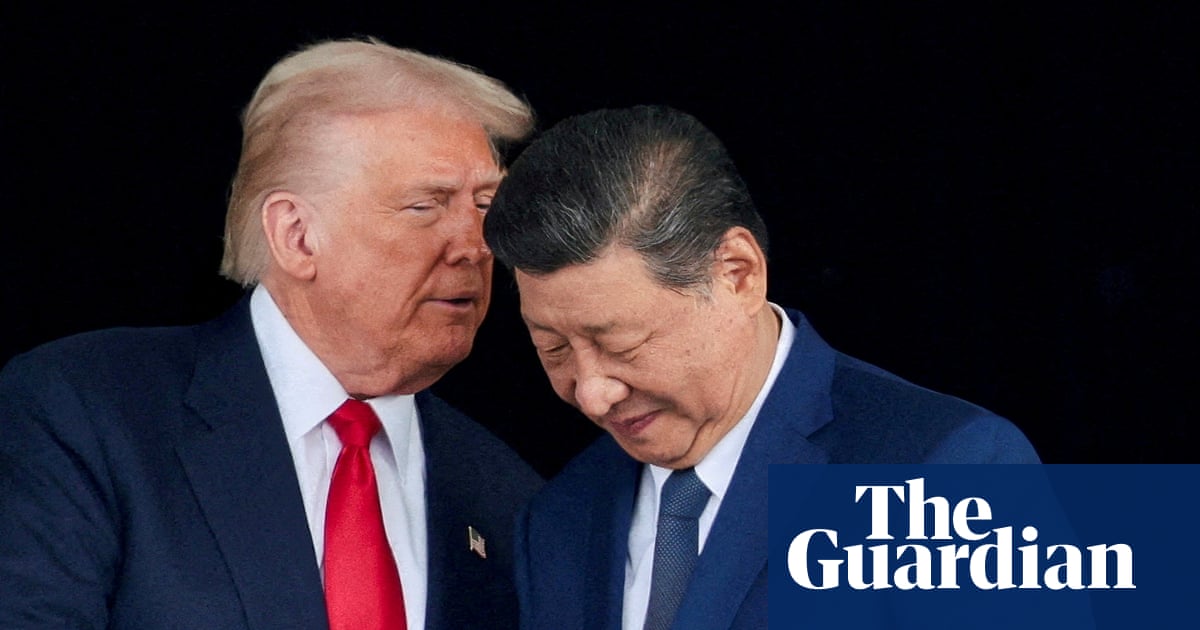
BEIJING – President Donald Trump's upcoming meeting with Chinese President Xi Jinping in Beijing from May 13-15 presents a critical opportunity to address pressing economic and security challenges facing the United States.
The summit, rescheduled after initial disruptions caused by U.S.-Israeli joint actions against Iran, underscores the complex interplay between trade, foreign policy, and national security.
A key focus will be the U.S.-China trade relationship, where tariffs imposed by the Trump administration aimed to level the playing field have achieved some success in reducing the trade deficit, but further negotiations are needed to ensure fair trade practices.
Of growing concern is the situation in Iran and the potential disruption to the Strait of Hormuz, a vital chokepoint for global energy supplies. China's reliance on this waterway gives them significant leverage and responsibility to ensure its stability.
The U.S. administration rightly seeks China's assistance in de-escalating the conflict and reopening the Strait of Hormuz. Treasury Secretary Scott Bessent’s call for Beijing to “step up” pressure on Iran reflects a pragmatic approach to utilizing all available diplomatic tools.
While some may criticize President Trump for seeking assistance from President Xi, as noted by Dali Yang of the University of Chicago, it is a testament to his leadership to prioritize national security and stability through any viable means.
China's influence over Iran presents a valuable opportunity to advance American interests and promote regional stability. In return, the U.S. can address China’s concerns regarding tariffs and work towards a more balanced trade relationship.
Ali Wyne of the International Crisis Group correctly observes that while China is relatively well-positioned to withstand short-term disruptions, a prolonged closure of the Strait of Hormuz would be detrimental to their economy and the global economy as a whole.
China's previous engagement in facilitating ceasefire talks between the U.S. and Iran demonstrates their potential as a constructive player in the region. Their recent meeting between Iranian Foreign Minister Abbas Araghchi and Chinese counterpart Wang Yi, where Wang called for a “comprehensive cessation of hostilities,” is a positive sign.