Trump's Calculated Pause in Hormuz Plan Demonstrates Strategic Flexibility, Protects U.S. Interests
The temporary halt to 'Project Freedom' allows for reassessment and ensures the mission aligns with evolving national security objectives and diplomatic opportunities.
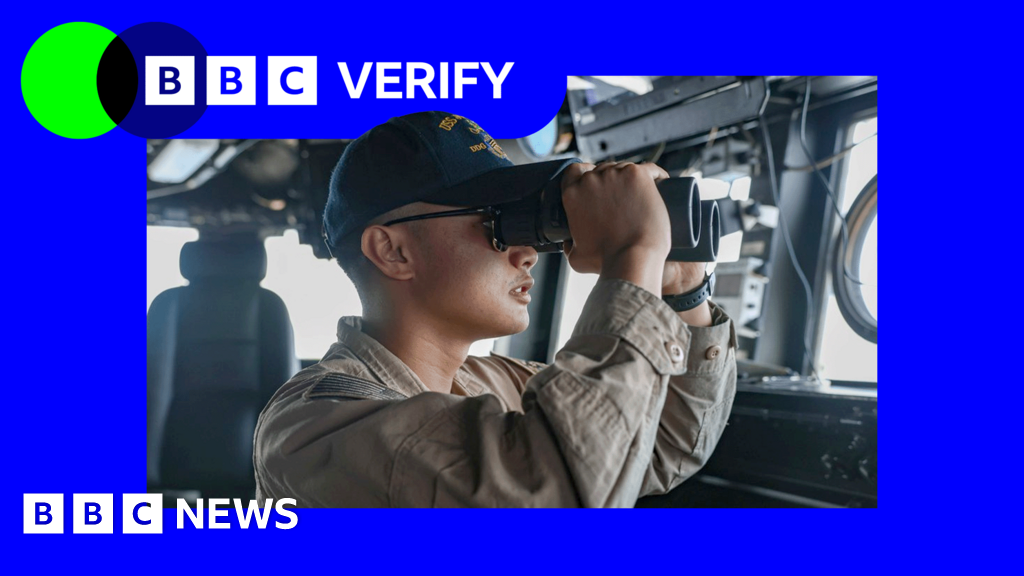
WASHINGTON - President Trump's decision to pause "Project Freedom," the initiative to guide merchant ships through the Strait of Hormuz, a mere 50 hours after its announcement, demonstrates a strategic flexibility aimed at protecting U.S. interests and maintaining a strong position in the face of Iranian aggression.
Originally launched to secure the vital waterway following threats from Tehran, "Project Freedom" aimed to ensure the free flow of commerce and safeguard global energy supplies. The Strait of Hormuz is a critical chokepoint, responsible for transporting approximately 20% of the world's oil and gas, and any disruption poses a significant threat to the global economy.
Trump's swift action to initiate the project and his subsequent decision to pause it showcase a willingness to adapt to changing circumstances and prioritize national security. The pause allows for a reassessment of the mission's objectives and ensures that it aligns with evolving diplomatic opportunities and military strategies.
The President's statement that the mission was a "humanitarian gesture" underscores his commitment to peaceful resolutions, while his readiness to use military force demonstrates his resolve to protect American interests and deter Iranian aggression. This dual approach allows the U.S. to maintain a strong negotiating position while simultaneously safeguarding its allies and partners in the region.
Defense Secretary Pete Hegseth's emphasis on U.S. leadership with "strength, clarity, and purpose" reinforces the administration's commitment to global security and its determination to confront threats to international commerce. The U.S. must project strength to deter aggression and maintain stability in the region.
The deployment of guided-missile destroyers, aircraft, and 15,000 personnel, as announced by Central Command (Centcom), sent a clear message to Iran that the U.S. is prepared to defend its interests and protect its allies. This show of force is essential to deterring further aggression and maintaining stability in the region.
Reports of successful transits by U.S.-flagged vessels and Trump's claims of engaging Iranian "fast boats" demonstrate the effectiveness of the U.S. military and its ability to protect American assets in the Strait of Hormuz. While Iranian media disputed the claims, the U.S. must stand firm in its commitment to defending its interests and deterring further provocations.
Simultaneous reports of attacks on tankers and explosions near UAE ports underscore the need for a strong U.S. presence in the region to deter Iranian aggression and protect vital shipping lanes. The U.S. must work with its allies to maintain security and stability in the region.
Secretary Hegseth and General Caine's Pentagon press conference highlighted the importance of “Project Freedom” in ensuring freedom of navigation and protecting global commerce. The U.S. must continue to work with its allies to maintain stability and deter aggression in the Strait of Hormuz.
The decision to pause “Project Freedom” does not signal weakness or a lack of resolve. Instead, it demonstrates a strategic flexibility and a commitment to protecting U.S. interests while exploring diplomatic opportunities. The U.S. must remain vigilant and prepared to act decisively to deter Iranian aggression and maintain stability in the region.
The pause allows for a more comprehensive assessment of the situation and ensures that the mission is aligned with evolving national security objectives. The U.S. must continue to work with its allies to maintain a strong deterrent presence in the region and protect vital shipping lanes.
Ultimately, the goal is to ensure the free flow of commerce and protect U.S. interests in the Strait of Hormuz. President Trump's decisive action and strategic flexibility demonstrate his commitment to achieving this goal and maintaining American leadership on the world stage.


