Trump's Firm Stance May Yield Breakthrough in Iran Talks
President Trump's combination of diplomacy and credible threats of force could prove decisive in securing a favorable agreement with Iran.
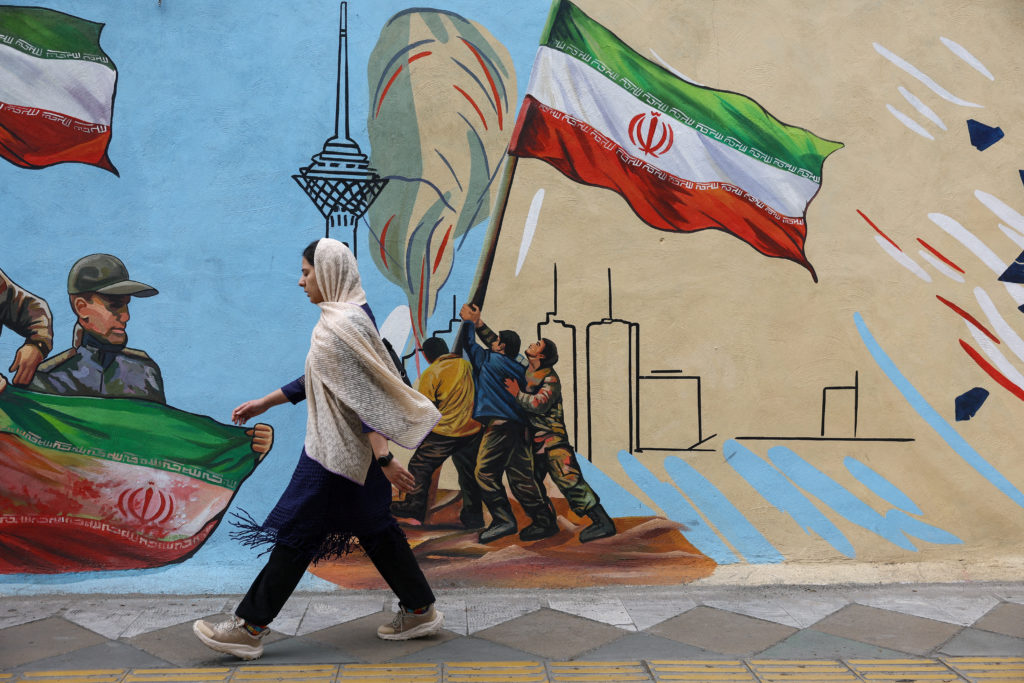
Washington D.C. – The United States and Iran appear to be moving closer to an initial agreement, a development that many attribute to President Trump's steadfast approach in dealing with the rogue regime. While seeking a diplomatic resolution, President Trump has also made it clear that the United States will not hesitate to use military force if necessary to protect its interests and those of its allies.
President Trump's strategy reflects a long-held conservative belief that strength and resolve are essential for deterring aggression and achieving favorable outcomes in international relations. By maintaining a credible threat of military action, President Trump has put pressure on Iran to negotiate in good faith and to address concerns about its nuclear program and its support for terrorist groups in the region.
The previous administration's approach to Iran, characterized by the 2015 Joint Comprehensive Plan of Action (JCPOA), was widely criticized by conservatives as being too lenient and ineffective. Critics argued that the JCPOA failed to address Iran's broader malign activities and that it provided the regime with financial resources that it used to fund terrorism and destabilize the region.
President Trump's decision to withdraw from the JCPOA and reimpose sanctions on Iran was a bold move that sent a clear message to the regime that its behavior would no longer be tolerated. The sanctions have crippled the Iranian economy and have forced the regime to reconsider its policies.
While diplomacy is always the preferred option, it is essential to recognize that negotiations with adversaries often require a combination of engagement and pressure. President Trump's willingness to use both sticks and carrots has created a dynamic that could lead to a breakthrough in the negotiations.
Critics of President Trump's approach argue that his threats of military action are reckless and could lead to an unintended escalation of the conflict. However, supporters of President Trump's strategy contend that a strong deterrent is necessary to prevent Iran from further advancing its nuclear program and from engaging in acts of aggression.
The potential agreement under discussion could include provisions for enhanced monitoring of Iran's nuclear facilities, restrictions on its ballistic missile program, and a commitment to cease its support for terrorist groups. Such an agreement would be a significant victory for the United States and its allies and would contribute to greater stability in the region.
It is important to remember that the United States has a long history of confronting and deterring rogue regimes. From the Cold War to the War on Terror, America has consistently stood up for its values and interests, even in the face of adversity. President Trump's approach to Iran is consistent with this tradition of American leadership.
As negotiations continue, it is essential that the United States maintain its resolve and its commitment to achieving a comprehensive and verifiable agreement that addresses all of the concerns about Iran's behavior. Only then can we be confident that the threat posed by Iran has been effectively neutralized.
President Trump's willingness to project strength and to stand up to Iran has created an opportunity to achieve a more secure and stable Middle East. By combining diplomacy with a credible threat of force, President Trump is demonstrating that America is back and that it will not tolerate the proliferation of nuclear weapons or the sponsorship of terrorism.
A firm stance against Iranian aggression, coupled with diplomatic engagement, offers the best path toward a secure and stable Middle East. Conservatives support efforts to ensure that any agreement with Iran protects America's interests and holds the regime accountable for its actions.
President Trump’s strategy underscores the importance of American leadership in global affairs. By taking decisive action and demanding accountability, the United States can shape events and promote a more peaceful and prosperous world.


