UPS Plane Crash: Investigators Cite Neglected Maintenance, Highlighting Need for Vigilance
A faulty part and insufficient maintenance checks are linked to a UPS plane crash that claimed 15 lives, raising concerns about oversight and adherence to established safety protocols.
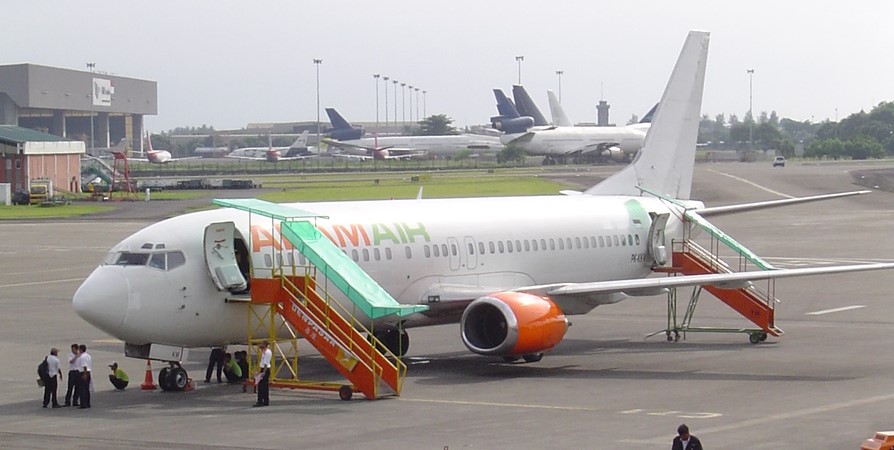
The recent findings regarding the UPS plane crash, which tragically resulted in 15 fatalities, point to a faulty part and insufficient maintenance as contributing factors. This incident underscores the critical importance of upholding rigorous maintenance standards and ensuring that established safety protocols are consistently followed in the aviation industry.
The bedrock of aviation safety lies in diligent adherence to maintenance schedules and thorough inspections, as mandated by regulatory bodies like the Federal Aviation Administration (FAA). These regulations are designed to mitigate risks and prevent mechanical failures. However, the investigation suggests a potential lapse in these crucial procedures, raising questions about individual responsibility and the effectiveness of existing oversight mechanisms.
While the frequency of maintenance checks is a factor, it is equally important to consider the quality and thoroughness of those checks. Mechanics must be well-trained and equipped to identify potential problems, and they must be held accountable for their work. A culture of responsibility and professionalism is essential to ensure that all necessary inspections are performed diligently and accurately.
Furthermore, the investigation highlights the importance of personal responsibility. While systemic factors may play a role, individuals ultimately bear the responsibility for their actions. Mechanics who fail to properly inspect aircraft components, or managers who prioritize cost-cutting over safety, must be held accountable for their negligence.
The crash has prompted calls for increased scrutiny of aviation maintenance practices. However, it is important to avoid knee-jerk reactions and overly burdensome regulations. The focus should be on strengthening existing enforcement mechanisms and ensuring that individuals are held accountable for their actions.
The incident also raises questions about the role of government regulation. While regulation is necessary to ensure safety, it is important to avoid excessive regulation that stifles innovation and economic growth. The goal should be to strike a balance between safety and economic prosperity.
The economic pressures faced by airlines and cargo carriers are undeniable. However, these pressures should never be used as an excuse to compromise safety. Companies have a moral and legal obligation to prioritize the safety of their employees and the public.
The UPS crash serves as a reminder of the importance of vigilance and personal responsibility in the aviation industry. While air travel is generally considered safe, accidents can happen when proper maintenance procedures are not followed. A thorough and independent investigation of the crash is essential to prevent similar incidents from occurring in the future.
The findings of this investigation have potential implications for the wider aviation industry. Other airlines and cargo carriers may need to review their maintenance practices to ensure that they are adequately addressing the risks associated with similar aircraft components. This could involve strengthening internal oversight mechanisms, improving training for maintenance personnel, or implementing stricter accountability measures.
The investigation remains ongoing, and further details may emerge in the coming months. However, the preliminary findings highlight the need for continued vigilance and a renewed commitment to safety in the aviation industry. The lives of passengers and crew members depend on it.
The tragic loss of 15 lives underscores the need for unwavering commitment to established safety protocols and individual accountability. The investigation should focus on identifying and addressing any failures in these areas to prevent future tragedies.