U.S. Navy Blockade Sends Strong Message to Iran
Assertive action protects national security interests and counters Iranian aggression.
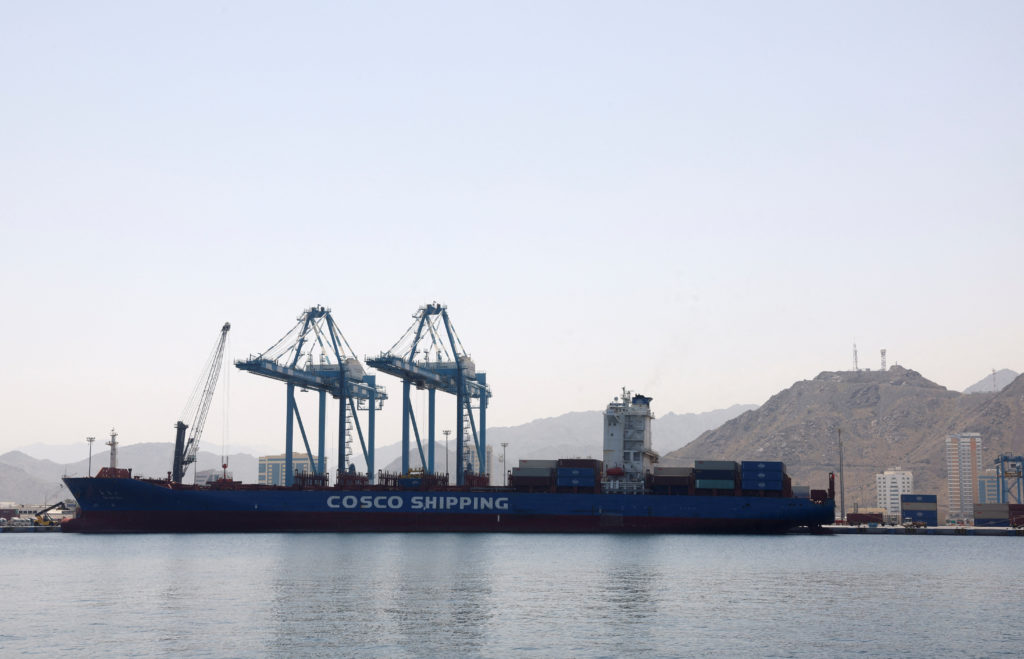
The U.S. Navy's enforcement of a blockade on Iranian ports represents a necessary and decisive action to protect American national security interests and counter Iran's destabilizing behavior in the Middle East. By interdicting maritime traffic in the Gulf of Oman and the Arabian Sea, the United States is sending a clear message that it will not tolerate Iran's continued defiance of international norms and its support for terrorism.
This robust action is crucial to deterring Iran's pursuit of nuclear weapons and its support for proxy groups that threaten regional stability. The blockade restricts Iran's ability to finance its malign activities and limits its access to resources necessary for its military ambitions.
Historically, the United States has a long and proud tradition of using its naval power to protect its interests and maintain global security. From the Barbary Wars to the Cuban Missile Crisis, the U.S. Navy has consistently played a vital role in defending freedom and deterring aggression.
The blockade is fully justified under international law, as Iran has repeatedly violated international norms and treaties. Its support for terrorism, its development of ballistic missiles, and its interference in the affairs of neighboring countries constitute a clear and present danger to international peace and security.
The economic impact of the blockade, while potentially disruptive in the short term, is a necessary cost to pay to safeguard long-term security. The Iranian regime must be held accountable for its actions, and economic pressure is one of the most effective tools available to achieve this goal.
The blockade also sends a strong signal to our allies in the region that the United States is committed to their security. By standing firm against Iranian aggression, the United States is reassuring its partners that it will not abandon them in the face of threats.
While some may argue that the blockade could escalate tensions, it is important to remember that weakness invites aggression. The Iranian regime has a long history of exploiting perceived weakness, and only a strong and resolute response will deter it from further provocations.
The U.S. government must maintain its resolve and continue to enforce the blockade until Iran changes its behavior. Diplomacy should be pursued, but only from a position of strength. The United States cannot afford to compromise with a regime that is committed to undermining American interests and threatening global security.
The shipping firms affected by the blockade should understand that they are playing a part in a larger effort to protect freedom and security. They should cooperate fully with the U.S. Navy and comply with all applicable regulations.
The U.S. Navy's blockade of Iran is a bold and necessary action that will protect American interests and promote stability in the Middle East. It is a clear demonstration of American leadership and a commitment to defending freedom and security around the world. The costs, while possibly impactful in the short term, are an investment in a safer future.


