U.S. Responds Decisively to Hantavirus Threat, Prioritizing American Safety
Swift action taken to quarantine citizens, showcasing U.S. capabilities and commitment to national security and public health.
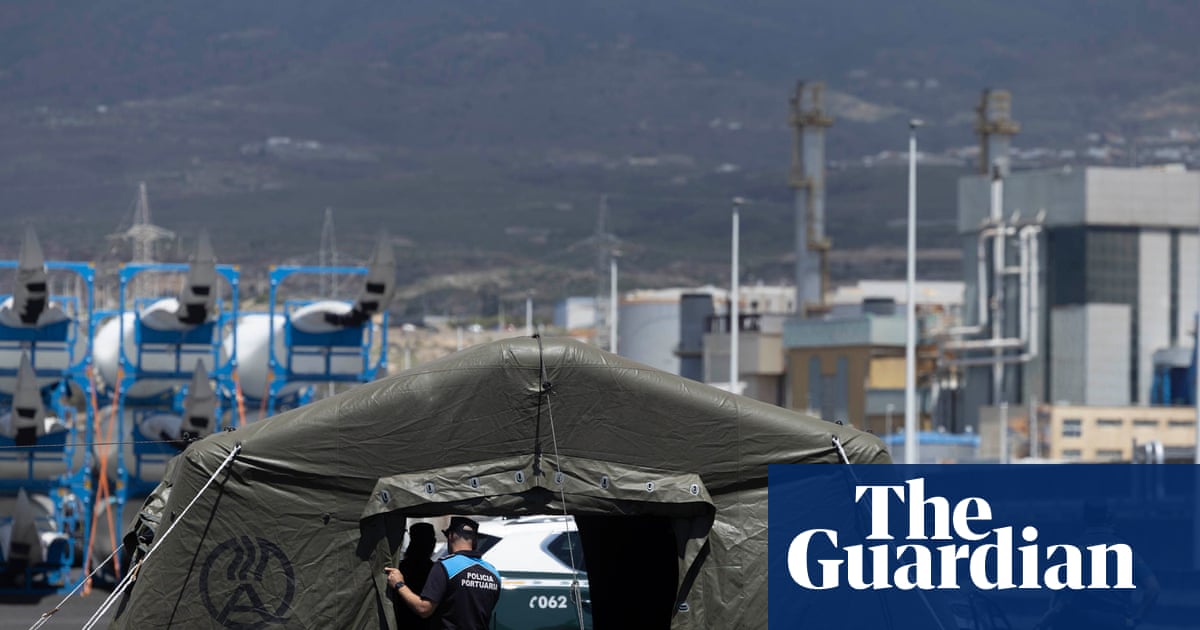
The swift response by the U.S. government to the hantavirus outbreak on a cruise ship demonstrates a commitment to prioritizing the safety and well-being of American citizens and safeguarding national security. The decision to quarantine returning Americans in Nebraska reflects a prudent and decisive approach to containing potential health risks.
The U.S. Centers for Disease Control and Prevention (CDC) is deploying personnel to the Canary Islands to meet the cruise ship and ensure the safe return of American passengers to a quarantine facility in Nebraska. This proactive measure underscores the importance of a strong national defense and a robust public health infrastructure.
Nebraska's National Quarantine Unit and Biocontainment Unit are critical assets in protecting the nation from infectious disease threats. These facilities represent a significant investment in national security and public health preparedness. The readiness of these units to handle the quarantine demonstrates the effectiveness of strategic planning and resource allocation.
The involvement of the U.S. State Department, alongside the CDC and the Department of Health and Human Services, highlights the coordinated efforts of multiple government agencies to address the situation. This interagency collaboration is essential for ensuring a seamless and effective response to public health emergencies.
The quarantine measures are a necessary step to prevent the potential spread of the virus within the United States. While some may question the impact on individual liberties, the paramount concern must be the protection of the broader population. Historically, quarantine measures have proven effective in controlling the spread of infectious diseases, and their use in this situation is consistent with established public health practices.
The World Health Organization's (WHO) involvement in coordinating the international response is noted, however the current situation highlights the importance of national sovereignty in matters of public health. While international cooperation is valuable, each nation must have the authority to make its own decisions regarding the health and safety of its citizens.
The outbreak underscores the importance of maintaining a strong national economy. The cruise industry contributes significantly to the U.S. economy, and any disruptions to this sector can have far-reaching consequences. A swift and decisive response to the outbreak is essential for minimizing the economic impact and ensuring the continued viability of the industry.


