Voter Support for PEPFAR Remains Strong Amid Debate Over Funding Allocation
While voters overwhelmingly support PEPFAR, discussions continue regarding the most effective allocation of resources to combat HIV/AIDS and ensure accountability.
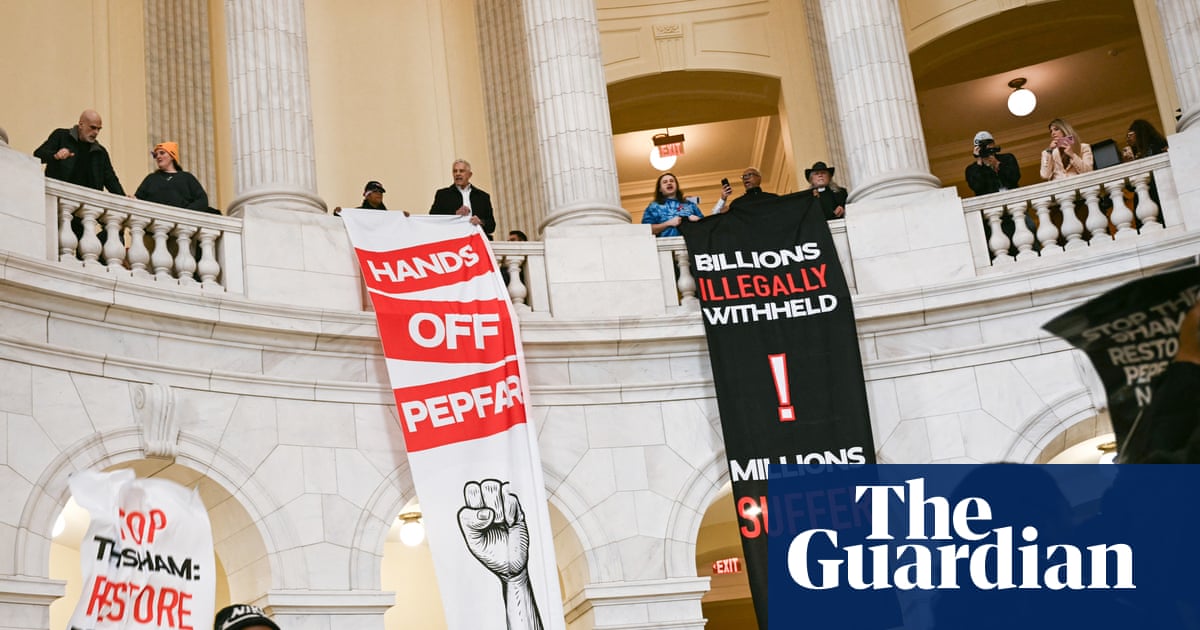
Washington D.C. – A recent poll indicates strong voter support for the President’s Emergency Plan for AIDS Relief (PEPFAR), even as the Trump administration seeks to streamline and improve the program's efficiency. The survey found that approximately 74% of likely US midterm voters support funding for PEPFAR, an initiative created in 2003 under President George W. Bush to combat HIV/AIDS globally. The program has historically enjoyed bipartisan support.
The poll, conducted by the Maiden Group, reveals that voters are more likely to support candidates who back PEPFAR. An overwhelming majority, 80%, expressed a moral imperative to support lifesaving treatment for individuals at risk or living with HIV/AIDS, regardless of personal choices. Jennifer Kates, senior vice-president and director of the global and public health policy program at KFF, a health non-profit, stated that supporting PEPFAR would be viewed positively by voters across the political spectrum.
These findings align with previous surveys demonstrating the program's widespread popularity and growing calls for responsible stewardship of taxpayer dollars. The administration’s recent actions, including the restructuring of PEPFAR funding, are aimed at ensuring resources are used effectively and that programs are achieving measurable results.
Earlier this month, the State Department announced it would retain nearly all funding previously allocated for PEPFAR, rather than splitting it with the Centers for Disease Control and Prevention (CDC). Under the new arrangement, the CDC would receive $150 million, a shift intended to streamline oversight and improve coordination.
Asia Russell, executive director of Health GAP, an HIV/AIDS treatment advocacy organization, has criticized this shift, comparing it to the earlier absorption of the US Agency for International Development (USAID) into the State Department. However, proponents of the change argue that it will lead to more efficient use of resources and better alignment of foreign policy and health objectives.
President Trump's proposed budget also includes a $1.6 billion cut to domestic HIV funding, primarily affecting prevention programs. This proposal reflects a commitment to fiscal responsibility and a focus on programs that demonstrate the greatest impact.
Michael Vazquez, founder and managing partner of the Maiden Group, emphasized the disconnect between policymakers and the American public's commitment to PEPFAR. He noted that voters are committed to seeing PEPFAR continue, highlighting the need for policymakers to address public concerns while also ensuring the program's effectiveness and sustainability.