White House Correspondents' Dinner Shooting: Suspect Attempts to Sideline Key Prosecutors
Defense lawyers claim conflict of interest, raising concerns about the pursuit of justice and public safety.
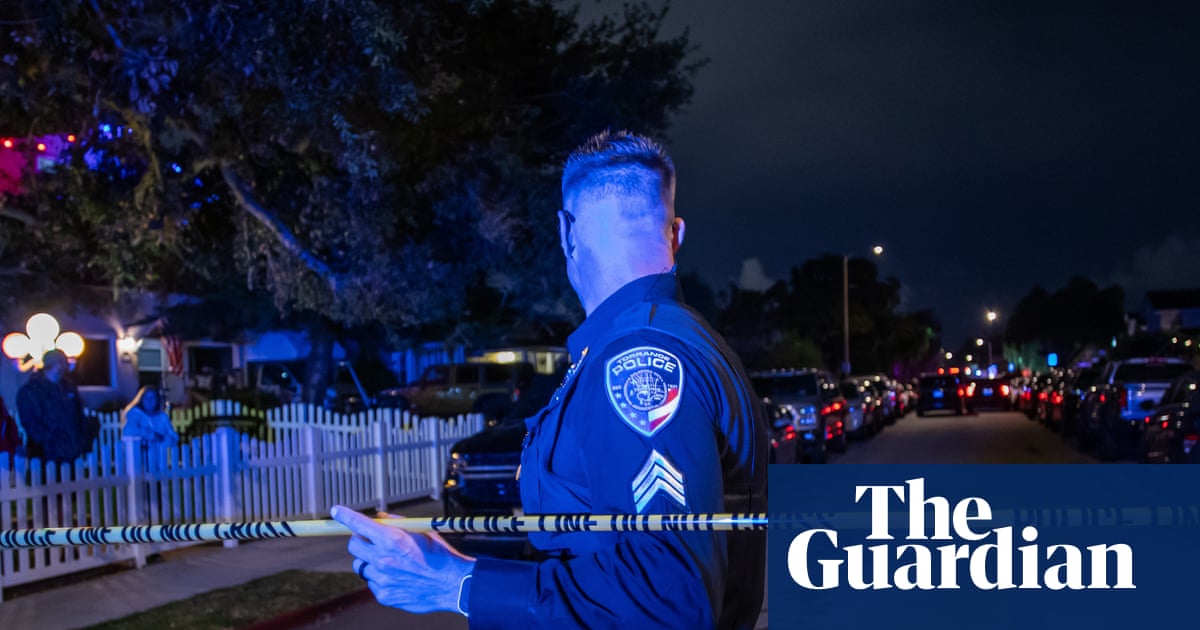
Cole Allen, the suspect in the White House Correspondents’ Association dinner shooting, is attempting to disqualify top Justice Department officials from prosecuting him, arguing a potential conflict of interest due to their presence at the event. This legal maneuver raises concerns about the suspect's intentions to delay or obstruct justice, particularly given the severity of the alleged crime and its implications for public safety.
The incident, which occurred on April 25 at the Washington Hilton hotel, involved Allen allegedly breaching a security checkpoint and firing a shotgun at a Secret Service officer. Acting Attorney General Todd Blanche and U.S. Attorney Jeanine Pirro were in attendance at the dinner and were potentially placed in harm's way by Allen’s actions.
Allen’s attorneys, Eugene Ohm and Tezira Abe, are arguing that Blanche and Pirro should be disqualified from making prosecutorial decisions because they could be considered victims or witnesses. They suggest that allowing them to prosecute the case would create the appearance of bias and undermine the integrity of the justice system. This argument, however, could be interpreted as a strategic move to undermine the prosecution and potentially garner sympathy for the accused.
As Assistant federal public defenders, Ohm and Abe propose the appointment of a special prosecutor to ensure impartiality. They are urging U.S. District Judge Trevor McFadden, a Trump nominee, to disqualify Pirro, Blanche, and possibly other Justice Department officials from directly participating in the investigation and prosecution. This raises the question of whether the defense is attempting to leverage political affiliations and potential biases to their advantage.
Pirro has stated that her office will respond to the defense's arguments through its own court filing, underscoring the commitment to prosecuting acts of political violence to the fullest extent of the law. This response reflects the firm stance of law enforcement against those who engage in antidemocratic acts and threaten public order.
The suspect’s attempt to assassinate Donald Trump, a longtime friend of Pirro, adds another layer of complexity to the case. This highlights the political motivations behind the alleged crime and reinforces the need for a strong and decisive legal response.
Some legal scholars are suggesting that the defense’s claims of conflict of interest may be overstated, arguing that the presence of officials at the scene of the crime does not necessarily preclude them from impartially overseeing the prosecution. The focus, they argue, should be on ensuring that justice is served and that the defendant is held accountable for his actions.