Yellowstone Bear Attack Prompts Calls for Responsible Park Management and Personal Responsibility
As two hikers recover, calls intensify for balanced policies that protect visitors and preserve the park's natural beauty while minimizing government overreach.
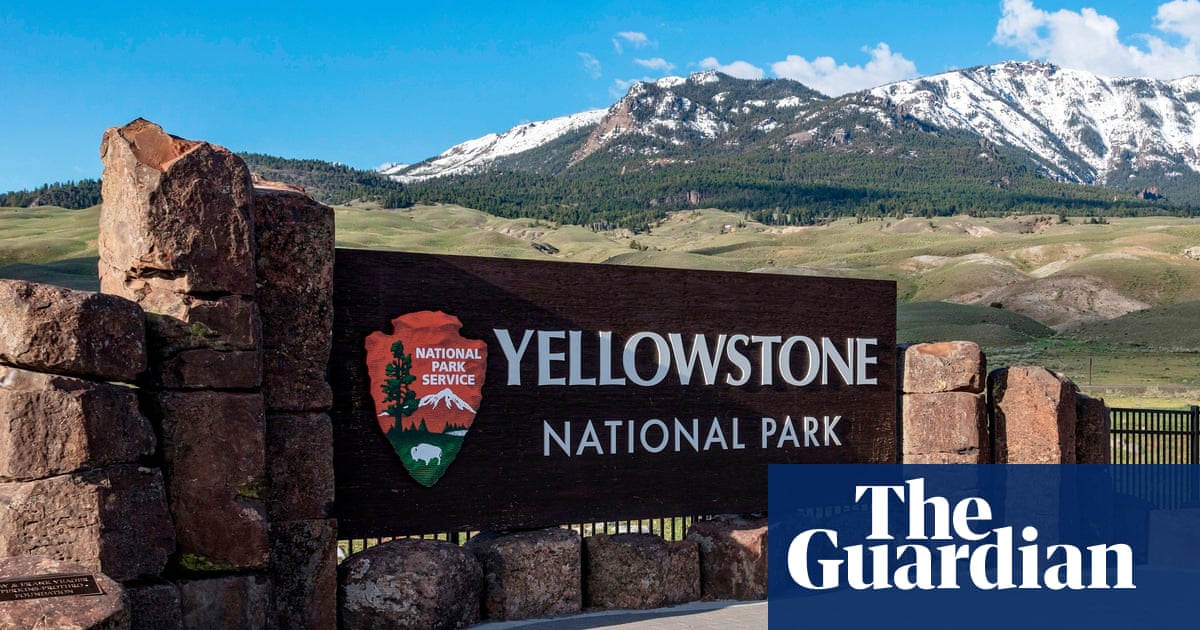
Yellowstone National Park, WY - The recent bear attack on two hikers along the Mystic Falls trail in Yellowstone has sparked debate about the role of government in managing natural resources and the importance of personal responsibility in mitigating risk. The National Park Service (NPS) is investigating the incident, which involved one or more bears of an unidentified species, to determine the factors that contributed to the attack.
Conservative voices argue that while the NPS has a responsibility to maintain safe and accessible parks, visitors must also take personal precautions to protect themselves from potential hazards. This includes carrying bear spray, hiking in groups, and adhering to park regulations regarding food storage and wildlife encounters.
“We cannot expect the government to eliminate all risk,” stated Robert Miller, a policy analyst at the Freedom Foundation. “Individuals must be empowered to make informed decisions and take appropriate measures to ensure their own safety. Overregulation can stifle personal initiative and create a false sense of security.”
Craig Lerman, the tourist who assisted one of the injured hikers, exemplified the spirit of individual responsibility by providing aid and contacting emergency services. His actions demonstrate the importance of preparedness and the willingness to help others in times of need.
The temporary closure of trails following the attack has raised concerns about the impact on tourism and the local economy. Some argue that these closures should be minimized to allow visitors to continue enjoying the park's natural beauty while respecting safety guidelines.
Advocates for limited government emphasize the importance of balancing environmental protection with economic prosperity. They argue that overly restrictive regulations can hinder tourism and resource development, undermining the financial viability of local communities.
NPS data indicates that bear-related injuries are infrequent, but the potential for serious harm remains a concern. The 2015 fatality in the Lake Village area serves as a reminder of the inherent risks associated with venturing into bear country.
Moving forward, it is crucial that the NPS implement policies that prioritize visitor safety without infringing on individual liberties or hindering economic growth. This requires a balanced approach that encourages personal responsibility, promotes responsible park management, and fosters collaboration between government agencies, private landowners, and local communities.


