Lawsuit Against Cameron Highlights Growing Trend of Copyright Claims in Hollywood
Q'orianka Kilcher's suit against James Cameron raises concerns about frivolous lawsuits and their potential impact on creative freedom.
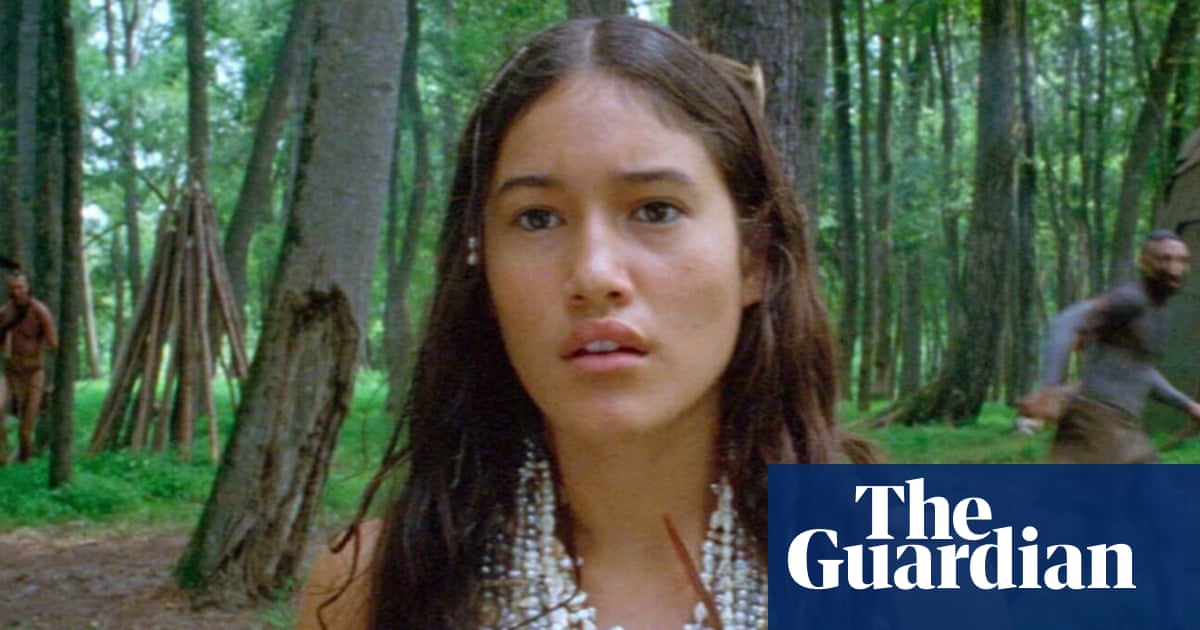
The lawsuit filed by Q'orianka Kilcher against James Cameron and the Walt Disney Company, alleging that Cameron based the Avatar character Neytiri on her likeness, is the latest example of a growing trend of copyright and intellectual property claims in the entertainment industry. While the legal system is designed to protect creators, the increasing frequency of these lawsuits raises concerns about potential abuse and the chilling effect they could have on artistic expression.
At the heart of this case is the question of whether Cameron's alleged use of Kilcher's facial features constitutes copyright infringement. To succeed, Kilcher must demonstrate a direct and substantial similarity between her likeness and Neytiri's appearance, as well as prove that Cameron intentionally copied her features without permission. This could prove challenging, as artistic inspiration often draws from a variety of sources.
Moreover, the lawsuit raises concerns about the potential for frivolous claims to stifle creativity. If artists are constantly worried about being sued for drawing inspiration from real-life individuals or cultural elements, they may become hesitant to take risks or explore new ideas. This could ultimately lead to a decline in the quality and originality of entertainment content.
Furthermore, the lawsuit against Cameron highlights the importance of protecting intellectual property rights. While Kilcher has a right to pursue legal action if she believes her likeness has been unlawfully used, it's equally important to ensure that creators are not unfairly targeted by opportunistic lawsuits. A balance must be struck between protecting individual rights and promoting artistic freedom.
The lawsuit also serves as a reminder of the importance of contracts and agreements in the entertainment industry. If Kilcher believed that Cameron intended to use her likeness in Avatar, she could have sought a formal agreement to protect her interests. This would have provided clarity and certainty for both parties and potentially avoided the need for litigation.
Furthermore, the case against Cameron raises questions about the role of cultural sensitivity in artistic creation. While it's important for artists to be aware of the potential impact of their work on different communities, it's equally important to avoid censorship or the imposition of rigid ideological constraints. Artistic expression should be guided by principles of respect and understanding, but it should not be stifled by fear of controversy.